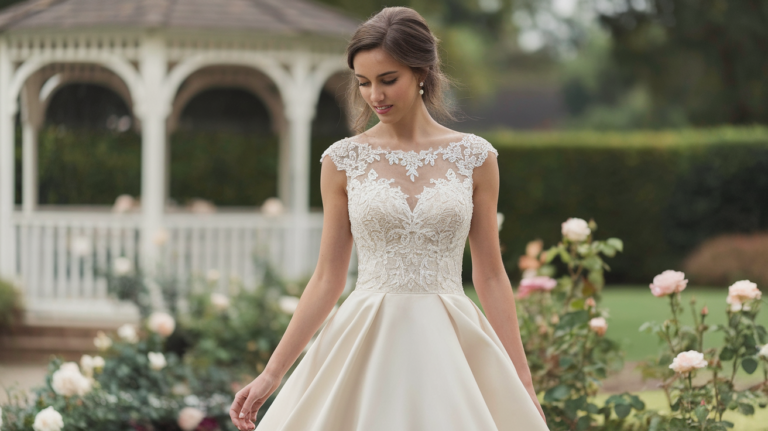
Choosing a Bride Dress — Where to Start and What Actually Matters
Bride dress shopping is one of those things everyone has an opinion on, and most of that opinion arrives whether you asked for it or not. So let’s start with what actually matters: the dress you choose should suit your body, your budget, and the day you’re actually having — not the wedding you saw on Pinterest at eleven o’clock last Tuesday night.
I’m a celebrant, not a stylist, so I’ll say upfront that I’m not going to tell you which designer to book. What I can tell you is what I’ve seen work, and not work, across a few hundred ceremonies — because I stand three feet from the dress for twenty minutes and I notice things a photographer’s wide shot won’t catch.
What Is a Bride Dress, Really
A wedding dress, or bridal gown if you want the fuller term, is simply the garment worn by the bride during the ceremony. That’s the plain definition. But it’s rarely just a garment — it tends to be the visual centrepiece of the entire day, the thing that sets the tone for the venue, the flowers, even what the groom or partner ends up wearing.
Traditionally, in Western culture, the dress carried associations with purity and status. I’d say most brides today couldn’t care less about that symbolism. What they want is something that feels like them, photographs well, and doesn’t pinch under the arms by hour four. That shift — from symbolism to personal comfort — is probably the biggest change in bridal fashion over the last few decades, more than any specific trend in necklines or fabric.
The dress also does quieter work behind the scenes. It sets the formality level guests read off the whole event, and it often decides the colour palette for everything from bridesmaids to table linen. Choose ivory satin and you’re signalling something different than if you choose a slim column dress in blush chiffon.
Where White Came From, and Why It’s Not Universal
White wedding dresses aren’t as old a tradition as people assume. Queen Victoria wore white for her wedding in 1840, and that choice popularised the colour across Western fashion — before that, brides commonly wore whatever their best dress happened to be, in whatever colour flattered them or their family could afford.
Other cultures never adopted white as the default, and I think that’s worth remembering when someone tells you white is “traditional.” In many Chinese and Indian weddings, red is the significant colour, tied to luck and prosperity rather than anything resembling Victorian purity. Traditional garments — the kimono, the hanbok, the sari, the cheongsam, the lehenga — carry their own histories entirely separate from the white Western gown, and they’re often far more structurally interesting, frankly.
Styles have moved a long way from the heavily boned, structured gowns of the Victorian era. Contemporary designers, Vera Wang being probably the most cited example, pushed things toward sleeker, less architectural silhouettes. That shift tracks alongside changes in fabric technology and women’s roles more broadly — corsetry gave way to comfort, and nobody’s mourning that.
Silhouettes: The Decision That Shapes Everything Else
Once you’re in a fitting room, silhouette is usually the first real fork in the road. Here’s a rough map of what’s out there:
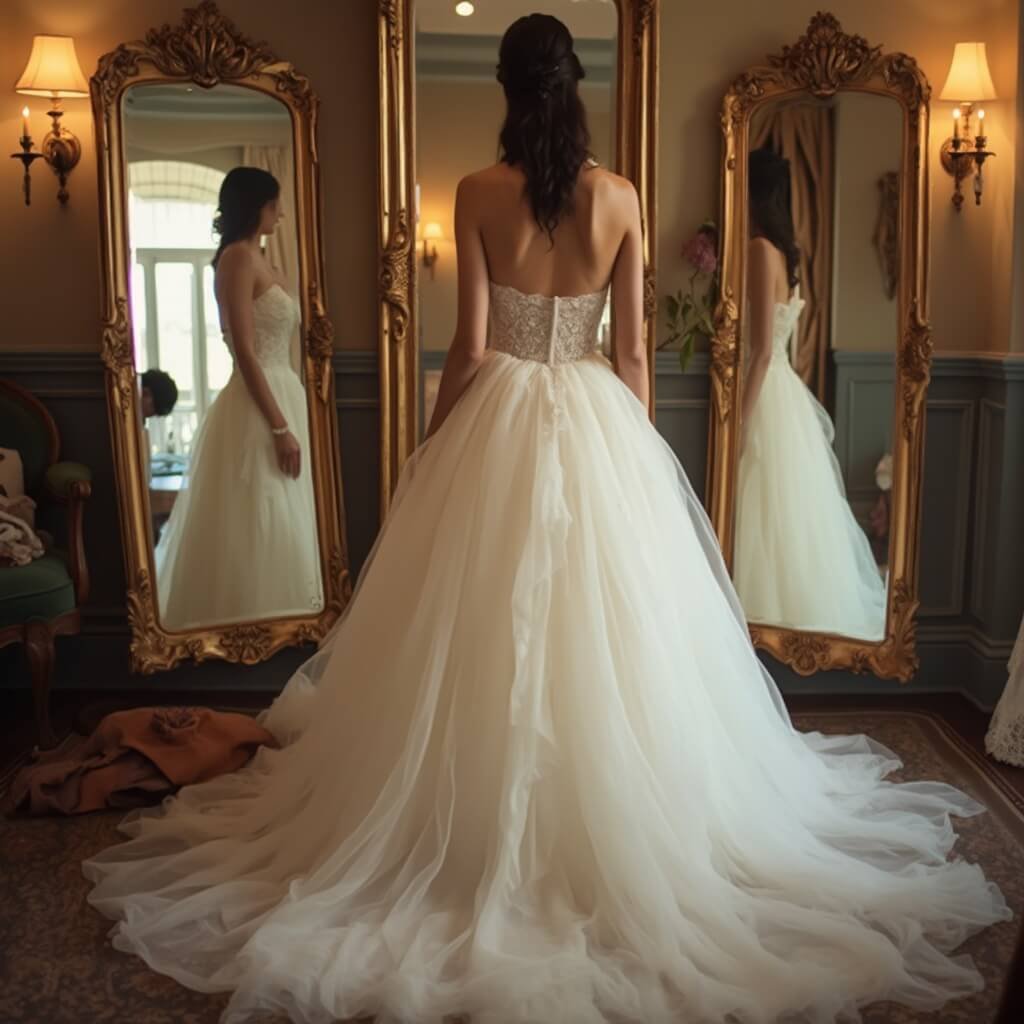
- Ball gown — fitted bodice, full skirt, the “princess” shape. Suits formal venues and brides who want drama.
- A-line — flares gently from the waist. Genuinely one of the most universally flattering cuts, which is why it’s so popular.
- Mermaid or fishtail — fitted through the bodice and hips, flaring at the knee. Shows off curves but restricts stride length, which matters more than people think during the aisle walk.
- Trumpet — similar idea to mermaid, but the flare starts higher, around mid-thigh, giving a bit more room to move.
- Sheath or column — slim, follows the body’s natural line. Works beautifully for minimalist or modern weddings, less so if you want to hide anything.
- Fit-and-flare — a hybrid, balancing curve and comfort.
- High-low or short — hemlines that vary or sit above the ankle, popular for casual, outdoor, or second-look outfits.
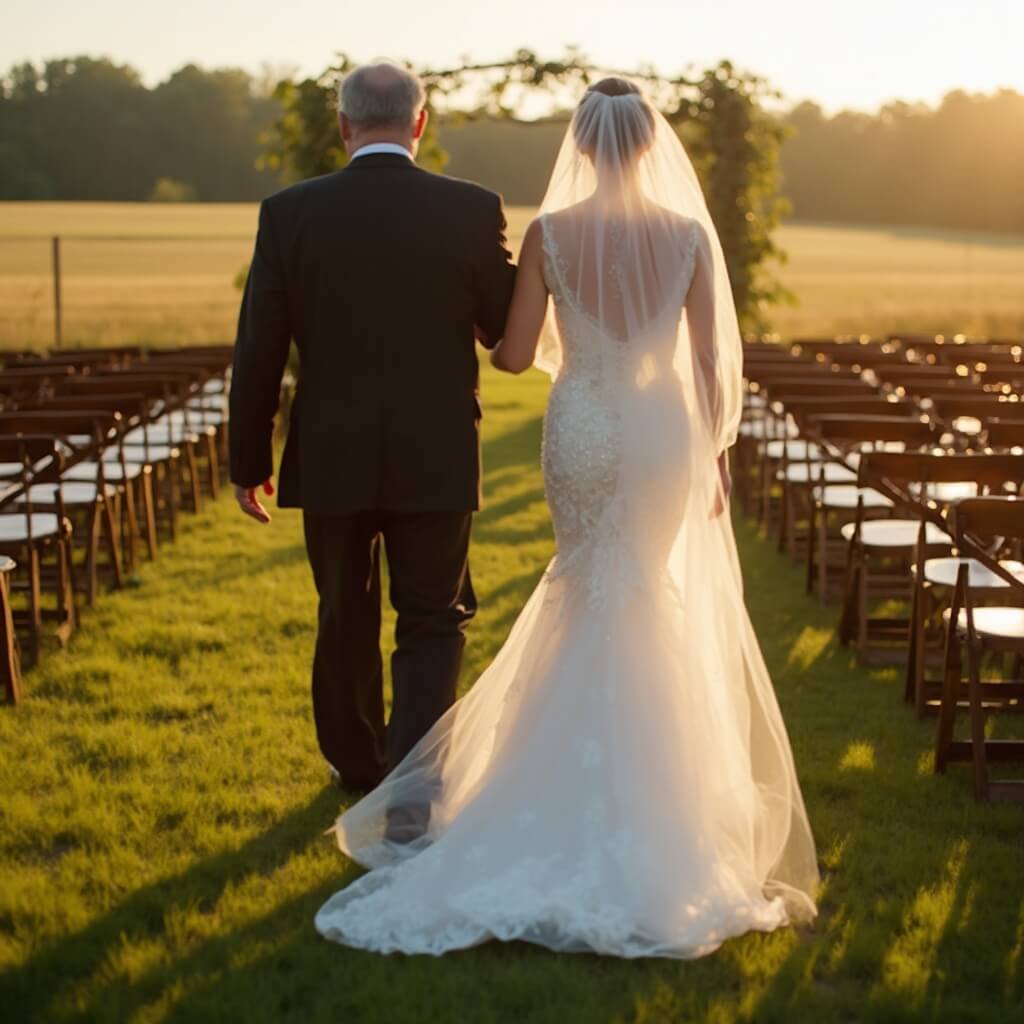
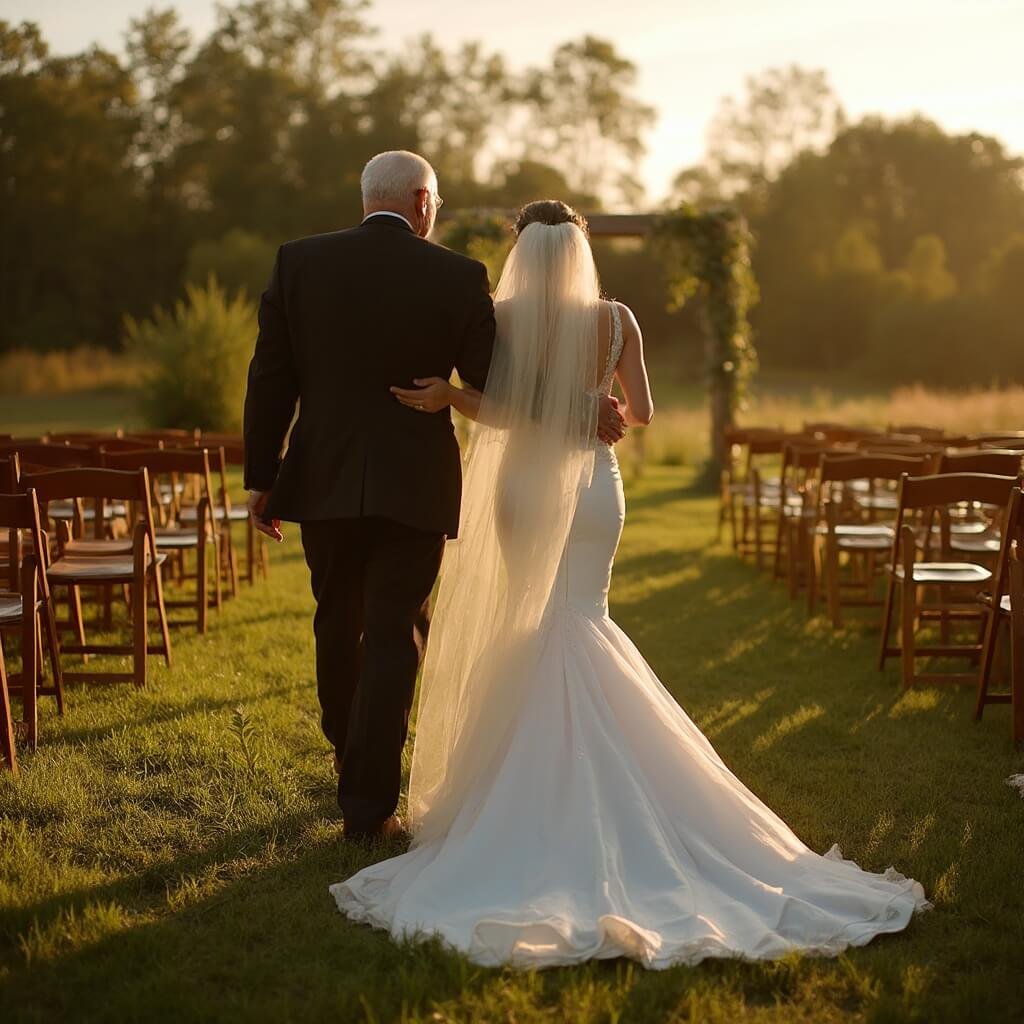
I once did an outdoor ceremony on a farm in late September where the bride had chosen a full mermaid gown — gorgeous dress, genuinely one of the best I’d seen that year — but the ground was uneven grass and slightly damp from overnight rain. She had to be walked in by her father at about half the pace they’d rehearsed, small careful steps, because the fishtail hem kept catching. It looked elegant on camera. It was a logistical nightmare in real time. That’s the sort of thing no one warns you about when you’re admiring a silhouette in a mirror under boutique lighting.
Necklines, Sleeves, and the Small Details That Change a Dress Completely
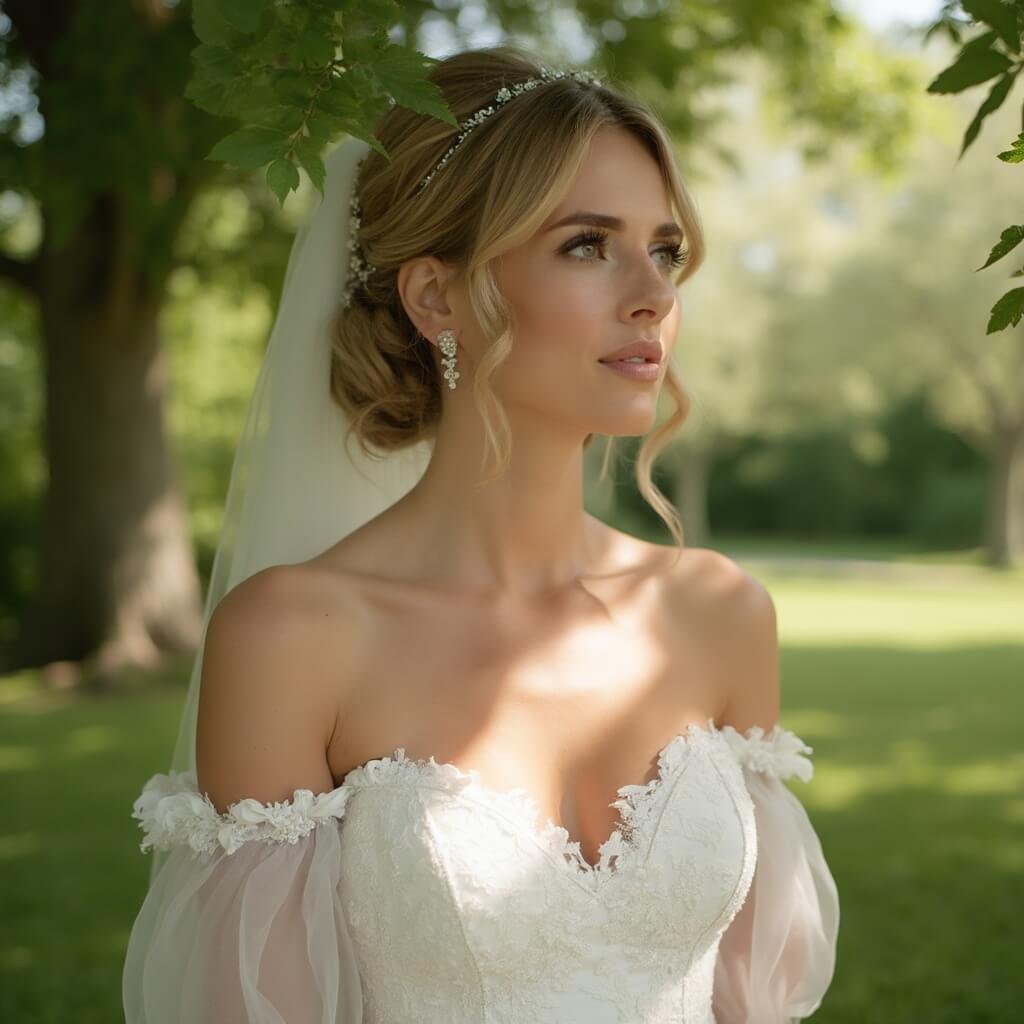
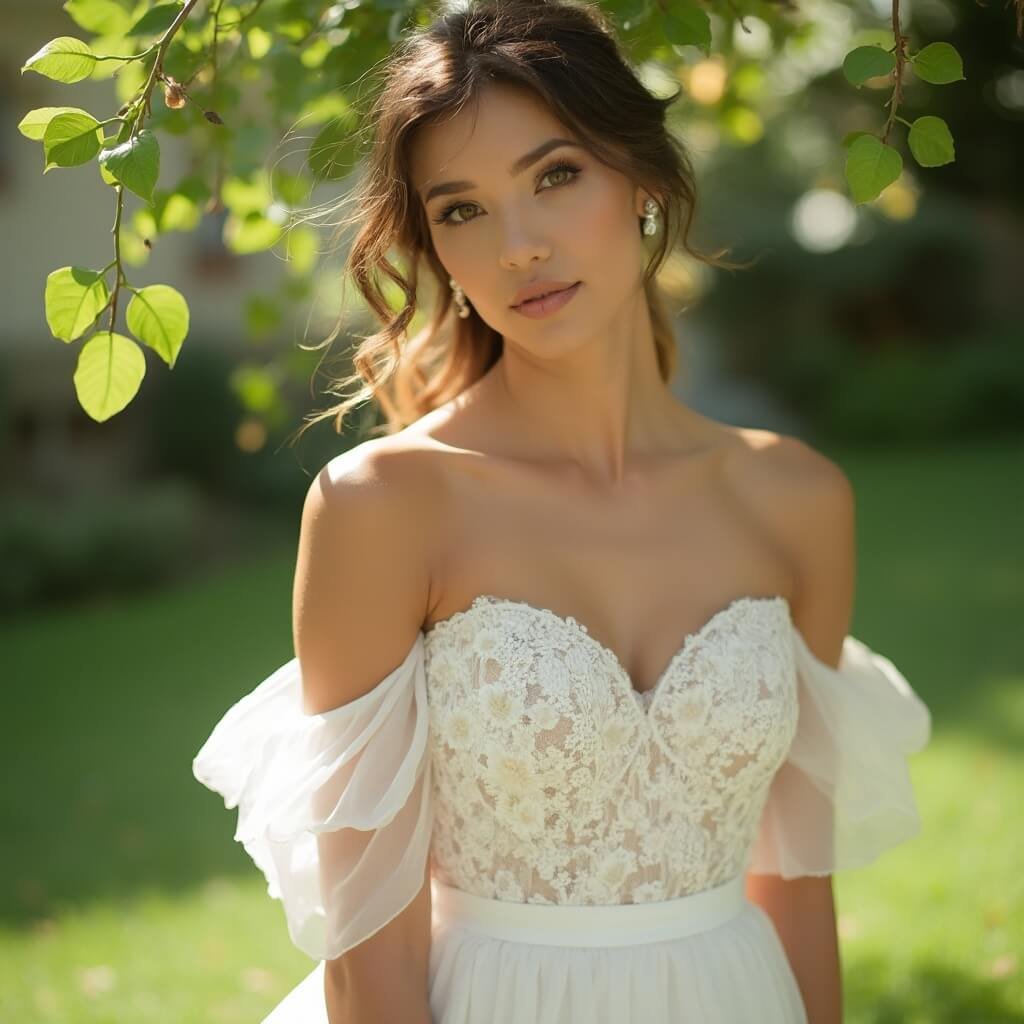
Necklines do more work than people give them credit for. A sweetheart neckline — that heart-shaped dip, often strapless — reads romantic and pairs naturally with corset-style bodices. A V-neck elongates the torso and feels a touch more modern and assertive. Off-the-shoulder necklines highlight the collarbone and shoulders, and they photograph exceptionally well in natural light, which is worth considering if you’re marrying outdoors. Halter and high necklines lean sophisticated, sometimes sporty; square and scoop necks have been turning up more in contemporary collections lately, offering cleaner lines than the sweetheart’s curve.
Sleeves matter more practically than aesthetically, in my experience. Strapless is the classic Western staple, but it relies entirely on internal boning and structure — if that structure isn’t right, you’ll spend the day tugging at it, and I promise your officiant will notice you doing that mid-vows. Spaghetti straps offer a bit more security without sacrificing the light look. Cap sleeves strike a nice balance between coverage and style. Long sleeves — fitted, bishop, or illusion lace — tend toward the formal or vintage end of things, and they’re a sensible choice for a winter wedding when you don’t want to be shivering through outdoor photos. Off-the-shoulder and detachable sleeve options give you versatility: structured for the ceremony, freer for the dancing later.
Fabric Choices and What They Actually Feel Like to Wear
This is where I’d push back gently on how most bridal advice gets written, because fabric descriptions in brochures rarely mention weight. Satin is smooth and lustrous, commonly used in ball gowns and minimalist cuts alike — but it’s heavier than it looks and can be warm. Lace, whether all-over or appliquéd, brings romance and detail, though cheap lace looks cheap in photos in a way that’s hard to disguise. Tulle is the lightweight net responsible for volume in skirts and veils; gorgeous, but it can feel scratchy against bare arms.
Chiffon and georgette are flowing, airy, genuinely well suited to beach or outdoor weddings where you need movement and breathability rather than structure. Crepe and mikado sit at the more structured, clean end — favoured heavily in modern minimalist bridal collections because they hold a line without needing boning. Some of the most interesting dresses I’ve seen recently mix fabrics deliberately: a lace bodice against a satin or tulle skirt, giving contrast in texture as well as look.
Colour, too, has moved on from the strict white-or-ivory binary. Off-white tones — champagne, nude, blush — flatter a wider range of skin tones and read as softer, more modern-romantic than stark white. Bolder colours, red, gold, blue, even black, are showing up more in nontraditional and culturally specific weddings. Ombré and printed bridal dresses exist too, mostly for fashion-forward brides and destination weddings, though I’ll admit that’s still a small niche rather than a mainstream shift.
Explore more timeless wedding dress inspiration and unique mermaid wedding dress styles on our website.
👇Shop the Look Here👇
Matching the Dress to the Body You Actually Have
I’ll be honest: most of the “body type” guidance you’ll find online is written in a slightly patronising tone that assumes you don’t already know your own shape. You do. What’s more useful is knowing which silhouettes work with that shape rather than against it, and why.
Save this article
Enter your email and we'll send it straight to your inbox.
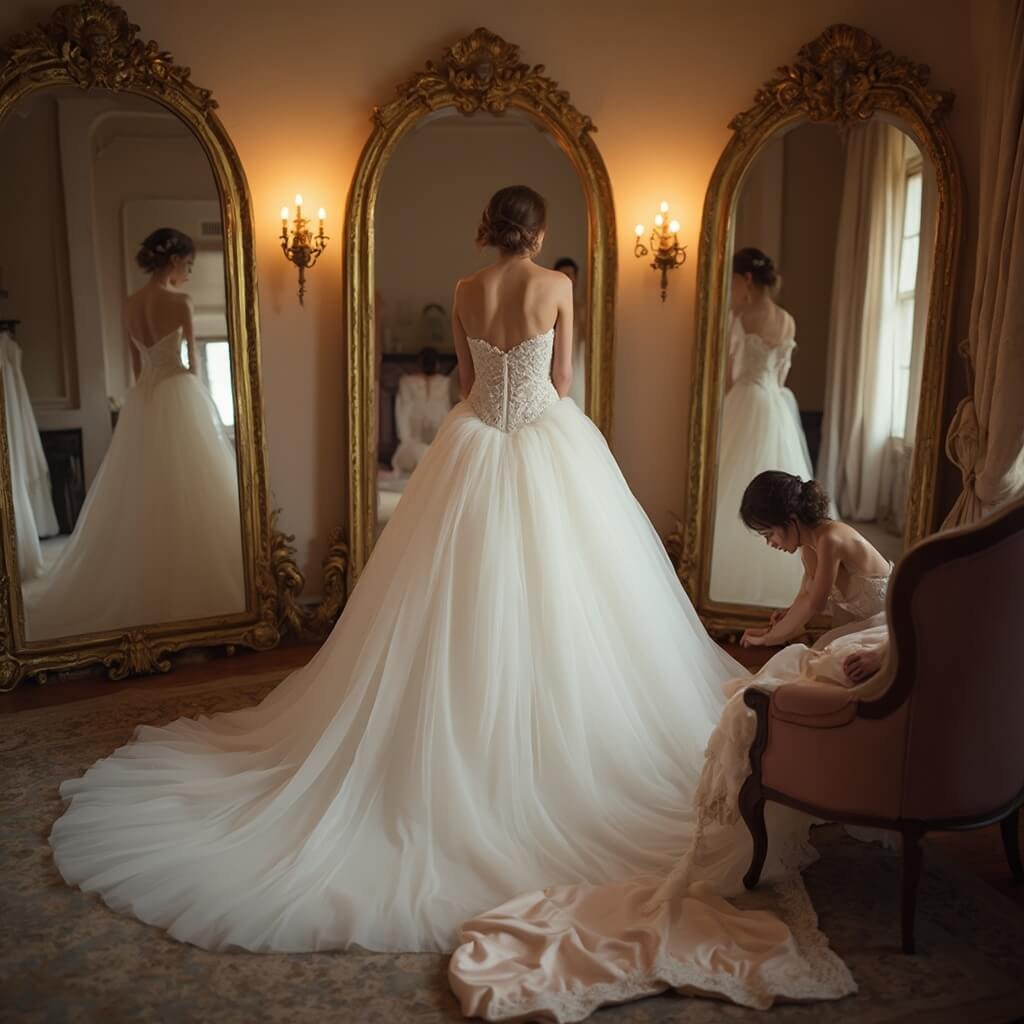
A-line dresses tend to suit almost everyone, which is exactly why they remain the best-selling silhouette year after year — they skim rather than cling, and they balance proportions without drawing hard lines anywhere. Ball gowns do something similar but with more drama, which works well if you’ve got a smaller waist you want to emphasise or if you simply want the “moment” of a big skirt. Mermaid and trumpet styles reward confidence with the midsection and hips, since there’s nowhere to hide in that silhouette — which isn’t a bad thing, just a fact worth knowing before you’re stood in front of three mirrors under fitting-room lighting. Sheath and column dresses look extraordinary on taller or slimmer frames, though a good tailor can make them work for plenty of other shapes too, provided the alterations budget allows for it.
That last point is the one people underestimate. A dress that fits off the rack is rare. Alterations aren’t a failure of sizing; they’re a normal, expected part of the process, and any boutique worth your money will build that into the timeline without making you feel self-conscious about it.
What It Actually Costs, and Where the Money Goes
Budget conversations get awkward fast, so I’ll just lay out roughly what I’ve seen. Budget-friendly dresses often land under £500 (or the dollar equivalent, depending where you’re shopping), mid-range sits somewhere between £1,000 and £1,500, and couture or designer gowns climb well beyond that, sometimes dramatically so. The price isn’t arbitrary — it usually reflects the designer name, fabric quality, hand-beading or embroidery, and how much custom work goes into the fit.
If the couture number makes you wince, you’ve got options that don’t involve compromising on how you feel in the dress. Off-the-rack samples, online retailers, sample sales, and pre-owned gowns have all become genuinely respectable routes rather than fallback ones. I’ve stood in front of couples where the dress cost £180 from a sample sale and looked every bit as considered as one that cost ten times that. Nobody in the room could tell, and frankly, nobody cared.
The Venue Will Tell You What Not to Wear
This is the bit I feel most qualified to weigh in on, because I’ve watched dresses fight against venues more times than I can count. A heavy ball gown in a marquee on a hot July afternoon is an endurance test, not a fashion statement. A slinky column dress on a stone church floor in December, with no sleeves and no wrap, means a bride who’s visibly cold in every photo and who whispered “sorry, I’m freezing” to me twice during her own vows.
Match the fabric weight and skirt volume to where you’re actually standing. Beach and outdoor weddings want chiffon, georgette, movement, breathability. Formal ballrooms can carry structure and volume without looking out of place. Barn and rustic venues sit nicely with bohemian silhouettes — soft lace, bell sleeves, less rigidity generally. None of this is a rule you’ll be arrested for breaking, but it does affect how comfortable you are for the six or seven hours you’re actually wearing the thing.
Comfort Is Not a Minor Consideration
I want to labour this point because it gets treated as an afterthought in most bridal advice, and it shouldn’t be. You need to walk in this dress, sit down in it, eat in it if you’re sensible, and dance in it later. Try the dress in motion during your fitting — walk across the shop, sit on a chair, raise your arms above your head as if you’re about to hug someone, because you will be doing that approximately eighty times on the day.
Undergarments matter more than anyone tells you upfront. Supportive shapewear, the right bra or built-in corset, seamless lining — these aren’t glamorous considerations, but they’re the difference between a dress that holds its shape all day and one that needs adjusting every twenty minutes. Some brides also plan a second, lighter dress for the reception, swapping out the ceremony gown for something easier to dance in. It’s a genuinely sensible idea if your ceremony dress has a long train or restrictive fit, and I’ve seen the changeover done well — usually timed just before the first dance, giving guests a small “oh, she’s changed” moment that photographers love.
Buying: Timing, Appointments, and the Bits Nobody Explains
Most bridal experts suggest starting the dress search nine to twelve months before the wedding, mainly because ordering and alteration timelines can run longer than people expect, especially with custom work or imported fabric. Compress that window and you’re not necessarily doomed, but you’ll have fewer options and less room for the dress to be adjusted if your body changes between ordering and the wedding — which, for what it’s worth, is completely normal and nothing to panic about.
When you go to appointments, bring reference photos, wear or bring the right undergarments, and walk in with an actual budget number rather than a vague sense of one. Boutiques can only work with what you tell them. Try the dress, move in it, and take photos of yourself in each one — you will not remember dress number four accurately by the time you’ve tried number nine, I promise you that from watching brides scroll frantically through their camera rolls trying to decide.
A Word on Where You Actually Buy It
Bridal boutiques and salons remain the standard route, mostly because you get a stylist in the room who’s fitted hundreds of bodies and can suggest things you wouldn’t have picked off the rack yourself. Designer-specific stores — Vera Wang’s boutiques, Allure Bridals, and similar — offer a narrower but more curated aesthetic if you already know roughly what you want. Online retailers have expanded massively, everything from budget fast-fashion bridal sites to specialty e-commerce boutiques, and department stores now often carry curated bridal sections too.
Online shopping comes with real risk, though — sizing inconsistencies between brands, fabric that looks different in person than on screen, and return policies that range from generous to nearly nonexistent. I’m not against buying online; I just think you should read the returns policy twice before you click purchase, because bridal-specific returns are rarely as flexible as ordinary retail.
If you’re weighing up a bride dress right now and feeling overwhelmed by all of it, my honest advice is to book two or three appointments at different price points before you decide anything, try on more silhouettes than you think you’ll like, and pay closer attention to how you move in the dress than how it looks stood still in the mirror — the standing-still version is not the wedding you’re actually having.
Explore more on Complete Guide to Choosing Your Wedding Dress and Wedding Dress Shopping Tips and Bridal Gown Collections for further insights and tips.
Consider a plus size wedding dress option or explore long sleeve wedding dress ideas for more inspiration. And for those looking for something unique, check out mini wedding dress styles.
👇Shop the Look here 👇
Want to keep this one?
We'll email you the link so you can find it again later.