Choosing a Long Sleeve Wedding Dress — Styles, Fabrics, and When They Work Best
A long sleeve wedding dress is often the first thing a bride reaches for when she starts worrying about cold arms in a draughty church, or a vicar’s dress code, or simply the fact that strapless makes her feel exposed on a day when everyone’s looking at her. I hear these worries constantly. And here’s what I want you to know before we go any further: sleeves are no longer the “sensible” choice you settle for. They’re a genuine style decision now, and some of the most striking brides I’ve stood beside at the front have been in sleeves.
Let me explain what we’re actually talking about. A long sleeve wedding dress is simply a bridal gown with sleeves extending to the wrist, or just above it, and that sleeve can sit on almost any silhouette you like — a full ball gown, a slim column, a soft A-line. The sleeve is a detail, not a dress type. That distinction matters, because it means you don’t have to compromise on the shape that suits you to get the coverage you want.
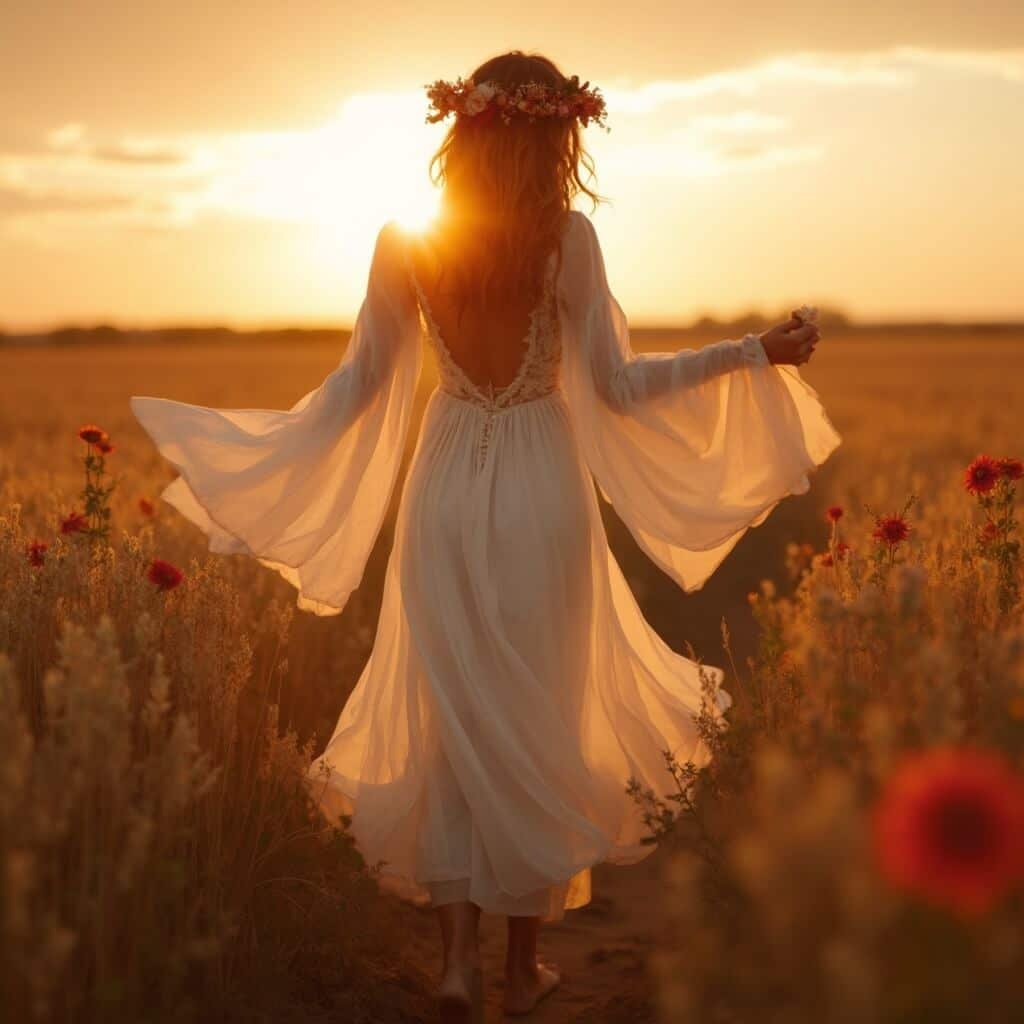
For years these gowns carried a certain reputation. Royal. Traditional. A bit churchy, if I’m honest. That association hasn’t vanished, but it’s been thoroughly reworked. I’ve married couples in sleek crepe gowns with plain fitted sleeves that looked more like something off a fashion runway than a cathedral aisle, and I’ve seen boho brides in floaty bell sleeves standing barefoot in a field. The sleeve adapts to you, not the other way round.
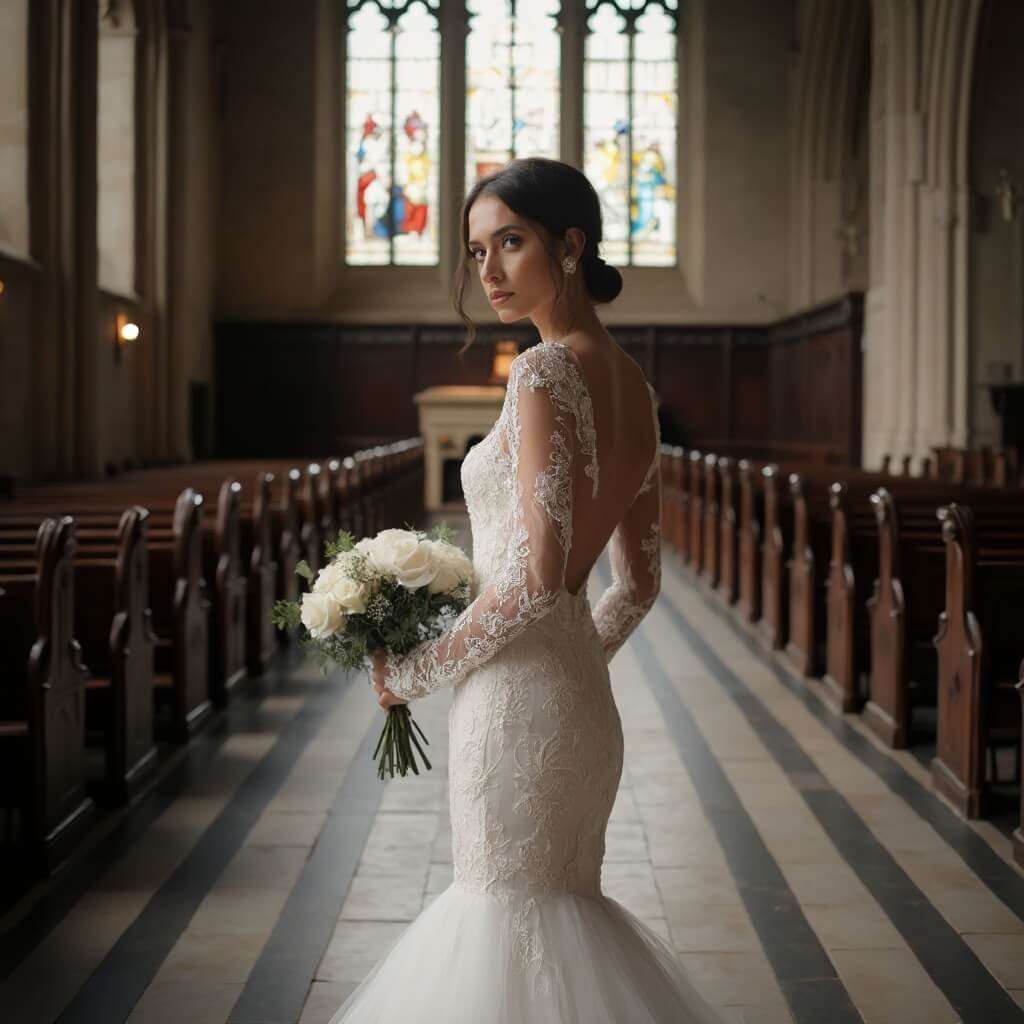
Why brides actually choose sleeves
There are three honest reasons, in my experience, and they usually overlap.
The first is coverage. If you’re marrying in a religious setting, or your venue has a modest dress code, or you simply prefer your shoulders and upper arms covered, sleeves solve that cleanly without looking like an afterthought. Modest doesn’t mean plain. Some of the most detailed lace work I’ve seen has been on gowns chosen specifically for covered arms.
The second is practicality, and I’ll be blunt — this is underrated. An autumn or winter wedding in the UK is cold. I once conducted a ceremony in late November where the bride had chosen a strapless dress and a thin lace shrug she planned to remove for photos. It was three degrees. The shrug stayed on the entire day, which rather defeated the point of the dress underneath. A proper long sleeve gown would have given her the look she wanted and kept her warm. Sleeves earn their keep in cold weather.
The third reason is pure style. Illusion lace running down the arm, a dramatic bishop sleeve, embellishment catching the light when you raise your bouquet — these create a real focal point. If you want people to remember your dress, sleeves can do that work.
The silhouettes that suit sleeves
Before you fall in love with a particular sleeve, sort out your silhouette. I mean this genuinely. A good bridal consultant will tell you the same thing, and there’s a practical reason behind it, which I’ll come to shortly.
The classic shapes all take sleeves beautifully:
- Ball gown — the regal, princess-leaning option, often paired with a lace bodice or illusion sleeves that soften the drama.
- A-line — the most universally flattering shape going, and it works whether you want plain crepe or heavy lace detail.
- Fit-and-flare, mermaid, or trumpet — these highlight your figure, and sleeves add a bit of balance so the look feels considered rather than only fitted.
Then there are the modern, minimal shapes, which I think are quietly having their moment. A sleek sheath or column gown in crepe or satin, with a fitted sleeve, gives you clean lines and a very chic, understated result. And don’t overlook shorter lengths — a midi or even mini dress with long sleeves is a lovely choice for a register office ceremony, or as a second look for the reception when you want to actually dance.
Now, the reason silhouette comes first. Sleeves can usually be added to a dress later by a skilled seamstress. The fundamental shape of the gown cannot. Changing an A-line into a mermaid is not a job — it’s a new dress. So choose the silhouette that makes you feel most confident standing in front of a mirror, and treat sleeves as the layer you build onto it.
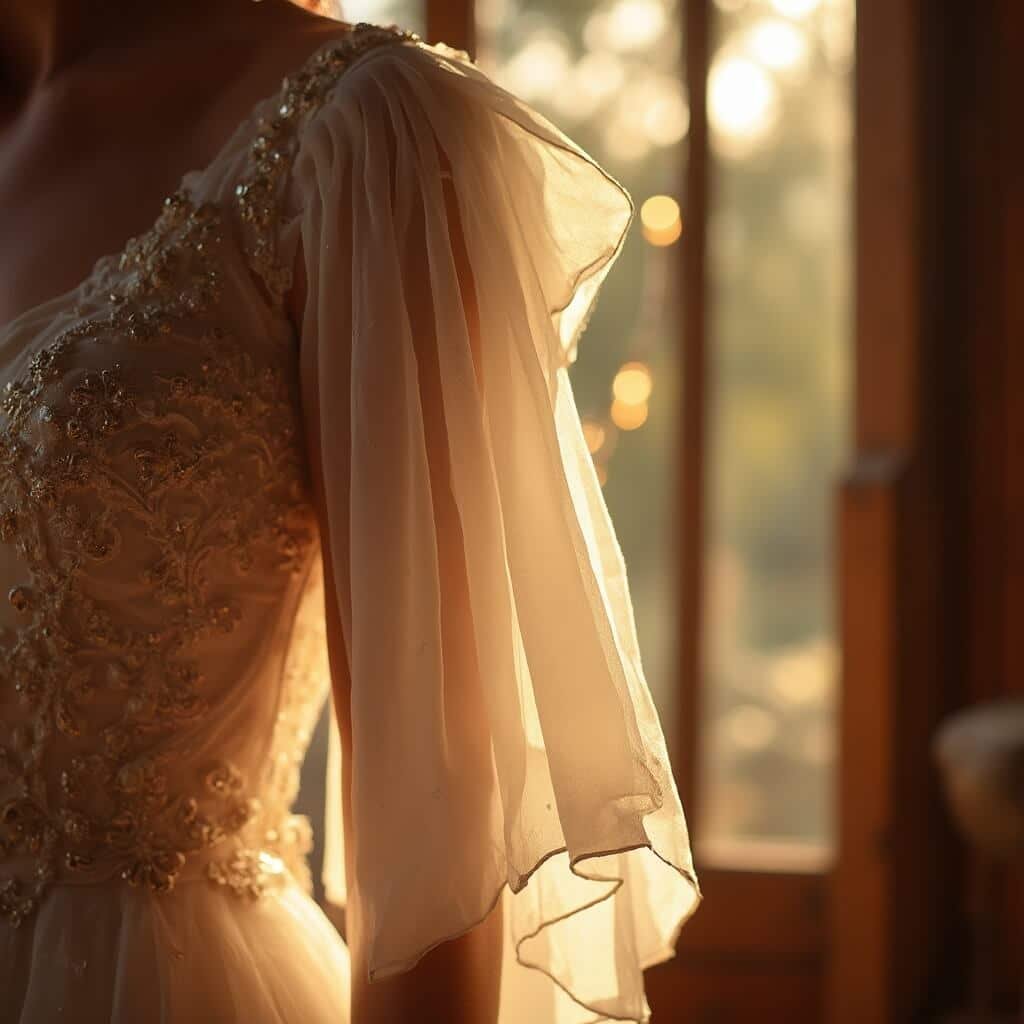
Sleeve styles, and what each one actually does
This is where it gets genuinely fun, because the range is wider than most brides expect.
Fitted, tailored sleeves sit close to the arm, usually in crepe or satin, and they’re the natural choice for a minimalist or formal look. Clean and quiet. Illusion sleeves are sheer tulle or fine net with lace appliqué, beading, or embroidery worked on top, so the pattern appears to float directly on your skin. These are the ones people photograph.
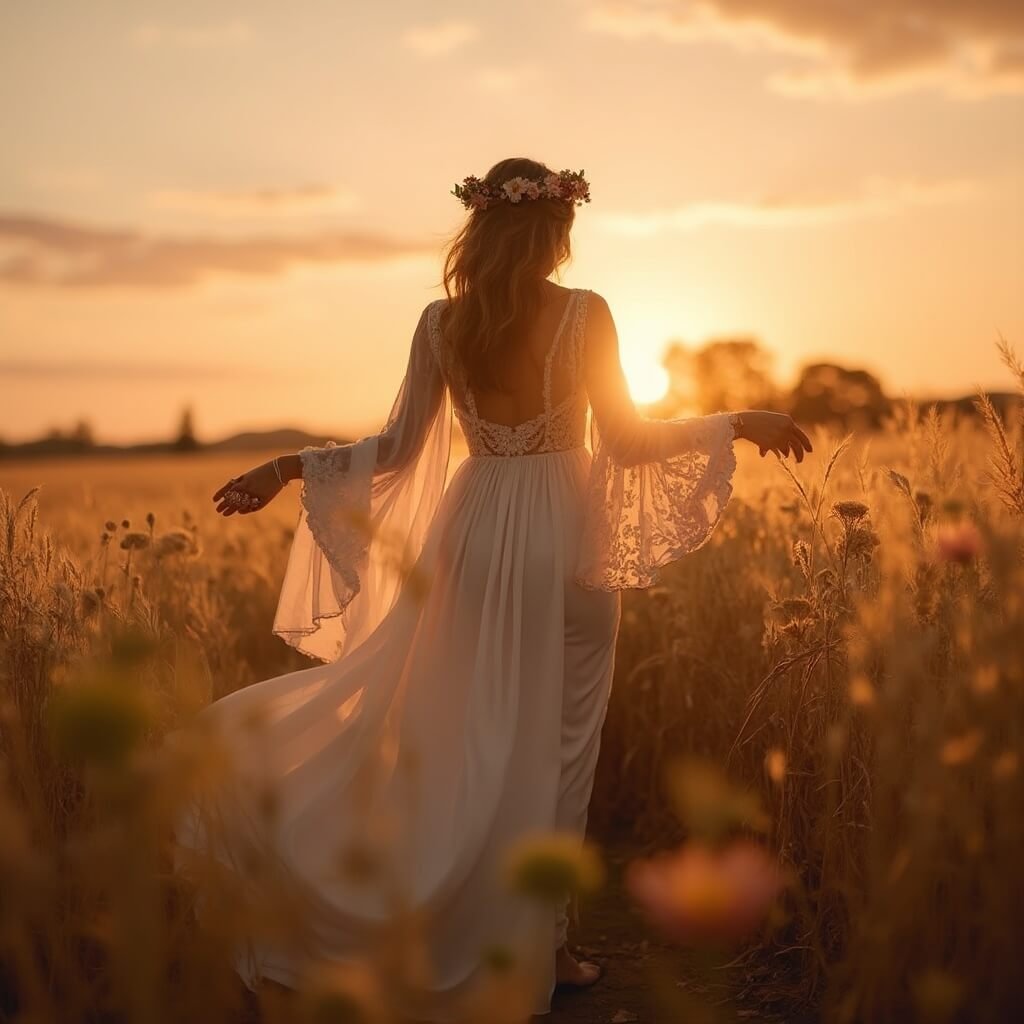
Then the statement sleeves. Bishop sleeves cuff at the shoulder or upper arm, balloon out into a soft fullness, and gather in at the wrist — romantic, a little vintage, very flattering. Bell sleeves flare wide and open beyond the wrist without tapering, and they’ve become a signature of boho bridal style. If you’re marrying outdoors, in a relaxed setting, a bell sleeve moving in the breeze looks wonderful.
Beyond those, there are puff shoulders for a retro or romantic effect, usually slimming down into a narrow lower sleeve. Off-the-shoulder long sleeves sit below the shoulder line, giving you coverage down the arm with a bit of skin at the collarbone — a nice compromise if you can’t decide. And detachable sleeves deserve a special mention: they let you have a covered ceremony and a bare-armed reception from a single dress. Two looks, one gown, and often better value than you’d think.
As for embellishment — lace appliqué and floral embroidery for the romantics, beading and pearls for glamour and sparkle down the arm, or cut-outs and sheer panels if you want coverage with a modern edge. My only advice here is restraint. A heavily beaded sleeve is beautiful, but pair it with an equally busy bodice and the whole thing starts competing with itself.
Fabric changes everything
People underestimate how much the fabric decides the mood of a sleeved gown. The same shape in two different cloths reads as two entirely different dresses.
Lace is the workhorse — versatile, romantic, and happy on illusion, fitted, or softly flared sleeves. Tulle is light and airy, ideal for sheer or voluminous sleeves and those layered boho looks. On the more structured side, crepe is smooth and hugs the arm elegantly for that minimalist finish, while satin and mikado give you a polished, formal weight that holds its shape.
One point that affects your comfort far more than the shop will emphasise: lace and tulle breathe, crepe and satin hold heat. That single fact should steer your choice by season more than any style rule. And if you’re going for illusion sleeves, ask about the quality of the mesh — a good one blends with your skin tone and feels comfortable across a long day, a cheap one does neither.
Explore satin wedding dresses with sleeves
Check out mermaid wedding dresses with sleeves
Save this article
Enter your email and we'll send it straight to your inbox.
👇Shop the Look Here👇
Matching Sleeves to the Season and the Setting
I mentioned that autumn wedding earlier because it taught me something obvious in hindsight: the fabric decision matters far more than the sleeve style decision when it comes to comfort. For a winter or late autumn wedding, you want crepe, satin, or a properly lined lace, ideally paired with a higher neckline or a closed back. That combination actually keeps you warm rather than just looking like it should.
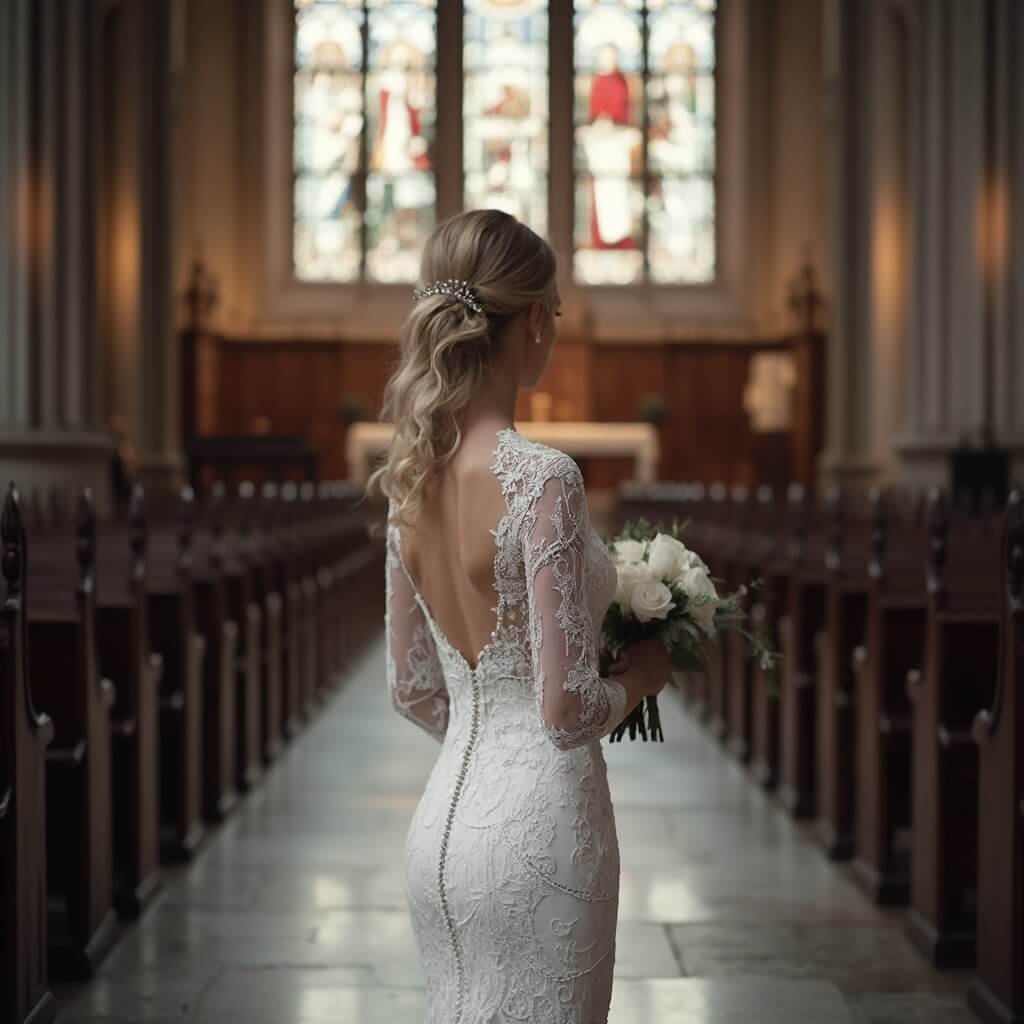
Spring and summer flip the logic entirely. You can still have long sleeves — plenty of brides want the coverage regardless of the month — but you’ll want sheer tulle or unlined lace so the arm can breathe. Pairing that with an open or lower back, or a lighter bodice underneath, stops the whole dress from feeling like a jumper by three in the afternoon. I’ve seen brides get this wrong in both directions: heavy satin sleeves at a July garden wedding, and a thin unlined illusion sleeve at a January church service. Both were miserable by the speeches.
The theme of your day matters too, and it’s worth thinking about before you start trying dresses on rather than after.
- Boho weddings lean into bell and bishop sleeves, organic lace motifs, and a general sense of movement — these dresses want space, wind, and bare feet on grass.
- Modern or city weddings suit sleek crepe with simple fitted sleeves, sometimes with quite architectural tailoring — think sharp lines rather than romance.
- Classic or religious ceremonies tend to call for structured bodices, lace sleeves, higher necklines, and a full-length skirt — the traditional silhouette people still picture when they hear “wedding dress.”
None of these are rules exactly, but they’re a sensible starting point when you’re facing a rail of forty dresses and no idea where to begin.
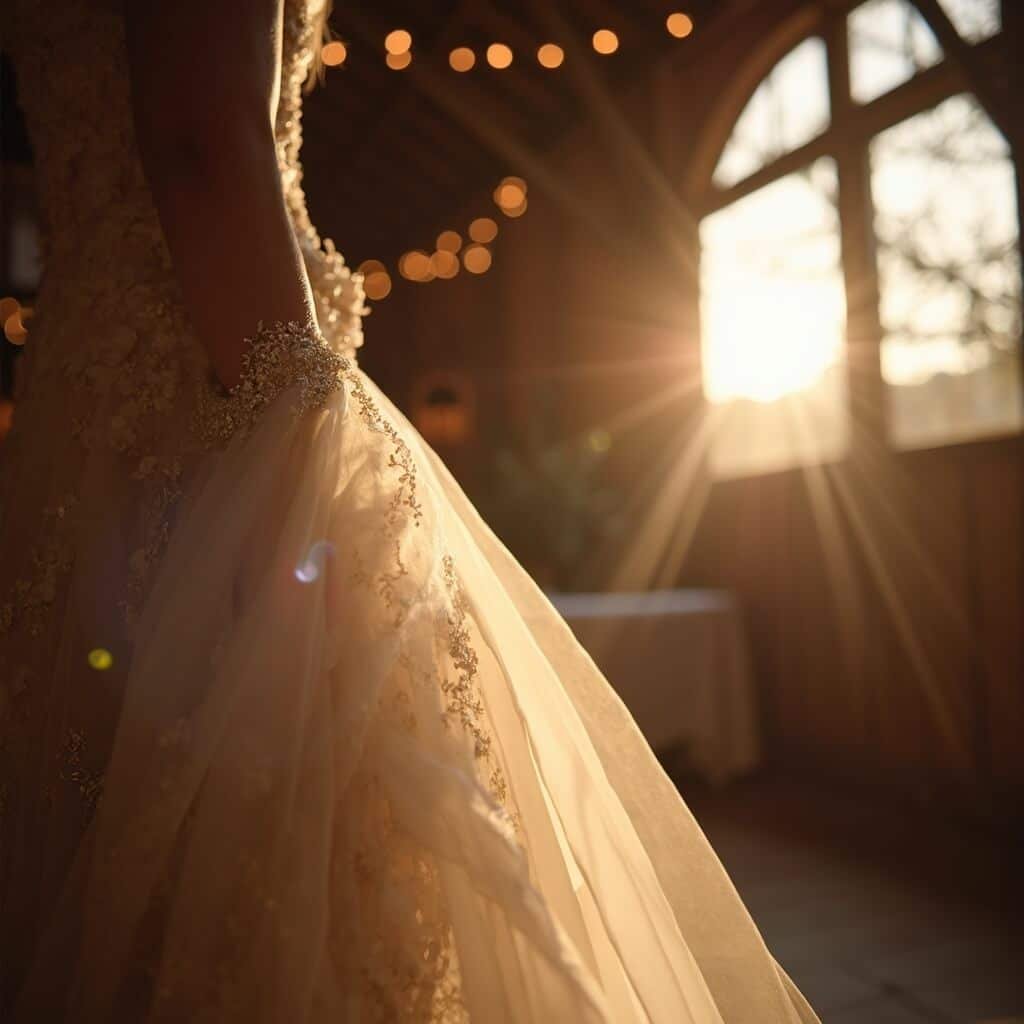
Getting the Fit Right
Most bridal retailers now carry a genuinely wide size range for long sleeve gowns — commonly 0 through to 30W — so the idea that sleeves are somehow harder to find in your size doesn’t hold up the way it used to. What does matter is getting your measurements right before you order or reserve anything.
You need bust, waist, low hip, height, and the length from collarbone to floor if you want an accurate read against a size chart. Use a proper flexible tape, wear the underwear you’ll actually marry in, keep the tape level rather than letting it dip at the back, and never measure over clothing — I’ve heard of brides doing this over a jumper and wondering why the dress arrived tight through the shoulders. Compare your numbers honestly against the brand’s own chart rather than your usual high street size, because bridal sizing rarely matches casual wear.
With sleeves specifically, there’s one thing worth testing in the fitting room that people often skip: raise your arms above your head, reach forward as if for a hug, and try a rough approximation of a first dance turn. Sleeves that look perfect standing still can bind at the shoulder or pull at the elbow the moment you move. A good seamstress will build in ease at the bicep without it showing, but only if you flag the problem during your fitting rather than discovering it on the day.
There’s also a genuine styling benefit to sleeves that doesn’t get mentioned enough: a well-placed seam can visually slim the arm and balance a curvier figure in a way that a sleeveless bodice sometimes can’t. It’s not about hiding anything — it’s about proportion.
What This Actually Costs
Prices vary enormously, but as a rough anchor, one major bridal retailer lists long and short sleeve wedding dresses from around $130 up to roughly $1,400, depending on the length, fabric, and how much embellishment is involved. A plain fitted crepe sleeve costs a fraction of a heavily beaded illusion sleeve with hand-appliquéd lace, which makes sense once you think about the hours of handwork the second one involves.
If budget is tight, the simplest lever is the sleeve detailing itself — a clean, unembellished sleeve in a good fabric can look every bit as considered as an elaborate one, just quieter. Ready-to-wear long sleeve gowns also tend to cost less than anything custom-made, so it’s worth trying reputable off-the-rack ranges before you commit to bespoke.
Worth factoring in too: whether you’re paying for something you’ll wear for four hours or twelve. Detachable sleeves can be a genuinely smart cost-benefit decision — full coverage for photos and the ceremony, then unclipped for dancing, all from one dress rather than two outfits.
Adding Sleeves to a Dress You Already Love
This comes up more than you’d think. A bride finds “the one,” except it’s strapless, and she’s since decided she wants coverage — for a colder venue, for family expectations, for her own comfort on the day. The good news is that sleeves can very often be added by a skilled tailor, matching lace or fabric from the original gown or a close equivalent. What can’t easily be done is changing the underlying shape, which is exactly why I keep circling back to silhouette-first as the sensible order of decisions.
Common alterations on long sleeves themselves are fairly modest: shortening to the exact wrist bone rather than past it, or tapering the width for a slimmer line if the sleeve was cut generously off the peg. None of this is dramatic surgery, but it does need time — book your final fitting well before the wedding, not the week of.
The trade-off is straightforward. Custom sleeves let you keep a dress you already love while getting the coverage you want, but they add cost, and there’s always a small risk the added fabric won’t blend as seamlessly as the original — ask to see the join in daylight, not just under salon lighting.
Where the Trend Is Heading
I’ve noticed a real shift over the past couple of bridal seasons away from the automatic strapless default. Fashion editorials are actively encouraging brides to see sleeves as a style statement rather than a modesty fallback, and quiet luxury has a lot to do with it — clean crepe gowns with fitted sleeves and near-invisible detailing (covered buttons, hidden zips) are everywhere at the moment. At the other end, oversized bishop and bell sleeves are turning up in proper couture volume, which tells you the appetite for drama hasn’t gone anywhere either.
Detachable and convertible sleeves feel like the most sensible innovation of the lot, honestly — one dress serving two purposes rather than a bride needing a separate reception outfit. And there’s a sustainability angle worth mentioning: simple, minimalist long sleeve gowns are far easier to alter and rewear after the wedding than an elaborate structured piece, which matters if you like the idea of your dress having a life beyond one day.
My honest recommendation, having stood at the front of enough ceremonies to have an opinion: don’t choose a long sleeve wedding dress because you think you should cover up, and don’t avoid one because you’re worried it’ll look old-fashioned. Try on at least one fitted sleeve and one illusion sleeve before you decide anything, in the fabric weight suited to your actual wedding month, and trust how you move in it more than how it looks standing still.
For more information on wedding dresses with sleeves, you can visit The Knot for styles and tips or explore the Long-Sleeved Wedding Dresses Guide on Hitched.
👇Shop the Look here 👇
Want to keep this one?
We'll email you the link so you can find it again later.