Polish Wedding Traditions: Everything You Need to Know Before You RSVP
The Polish Engagement (Oświadczyny): It’s More Formal Than You Think
In Poland, getting engaged isn’t always just a private moment with a ring. Traditionally, the engagement — called oświadczyny — involved a formal visit, symbolic gestures, and family involvement right from the start.
Here’s what that looked like in a more traditional setting:
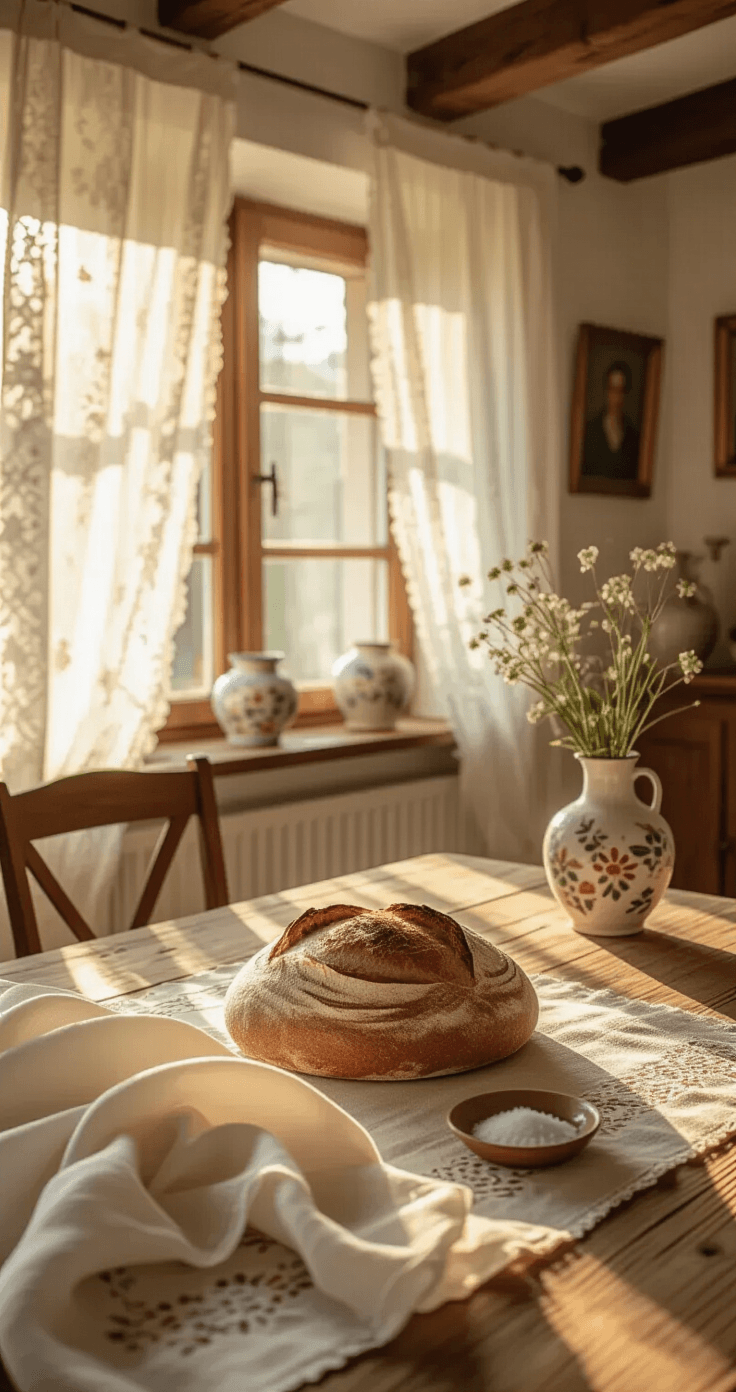
- An uncut loaf of bread was brought as a symbol of prosperity and abundance
- A white scarf was presented to mark the promise of marriage
- The groom’s family would formally visit the bride’s family to ask for her hand
- Prayers and blessings were often part of the occasion
Today, many couples have moved away from the full formal tradition, but the spirit of family involvement in the engagement remains very much alive in Poland. It sets the tone for everything that follows — this is a celebration that belongs to the whole family, not just the two people getting married.
The Parental Blessing Before the Church: A Moment That Will Make You Cry
Before the couple even steps foot in the church, something beautiful happens at home. Parents gather to give their children a formal blessing before the wedding day begins.
This isn’t a casual “good luck, have fun” kind of send-off. It’s a deeply emotional moment where parents:
- Speak words of wisdom and wish the couple prosperity and happiness
- May bless the couple with a crucifix or holy water
- Pray together as a family before the public celebration begins
I’ve watched this happen at a Polish wedding, and I’ll be honest — there wasn’t a dry eye in the room. Even guests who don’t share the same faith or background find this moment genuinely moving. It’s a reminder that marriage in Polish culture is understood as something serious, sacred, and shared by the whole family.
The Church Ceremony (Ślub): Traditional, Formal, and Beautiful
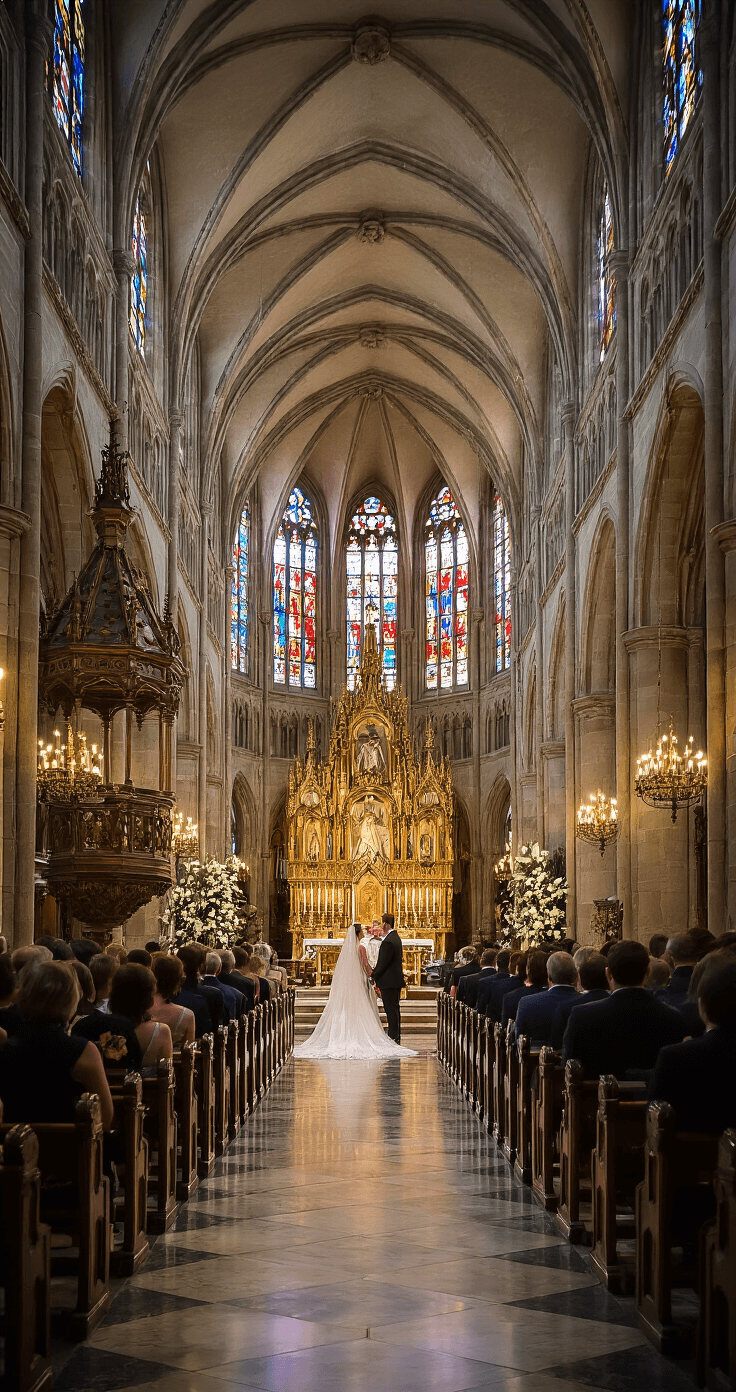
Most traditional Polish weddings take place on a Saturday afternoon, beginning with a Catholic church ceremony called the ślub.
If you’re attending as a guest, here’s what to know:
What happens during the ślub:
- The couple exchanges vows and rings during Mass
- Family and friends witness the sacrament together
- The ceremony follows the structure of a Catholic Mass, which can last an hour or more
- Music, prayers, and scripture readings are all part of the service
What to wear:
- Men should wear suits or jackets — this is a formal occasion
- Women should wear dresses or smart formal outfits
- Avoid anything too casual, too revealing, or white (obviously)
The church ceremony sets the spiritual and emotional tone for everything that follows. It’s reverent and meaningful, and then the reception completely flips the energy in the best possible way.
Save this article
Enter your email and we'll send it straight to your inbox.
The Wedding Reception (Wesele): Buckle Up
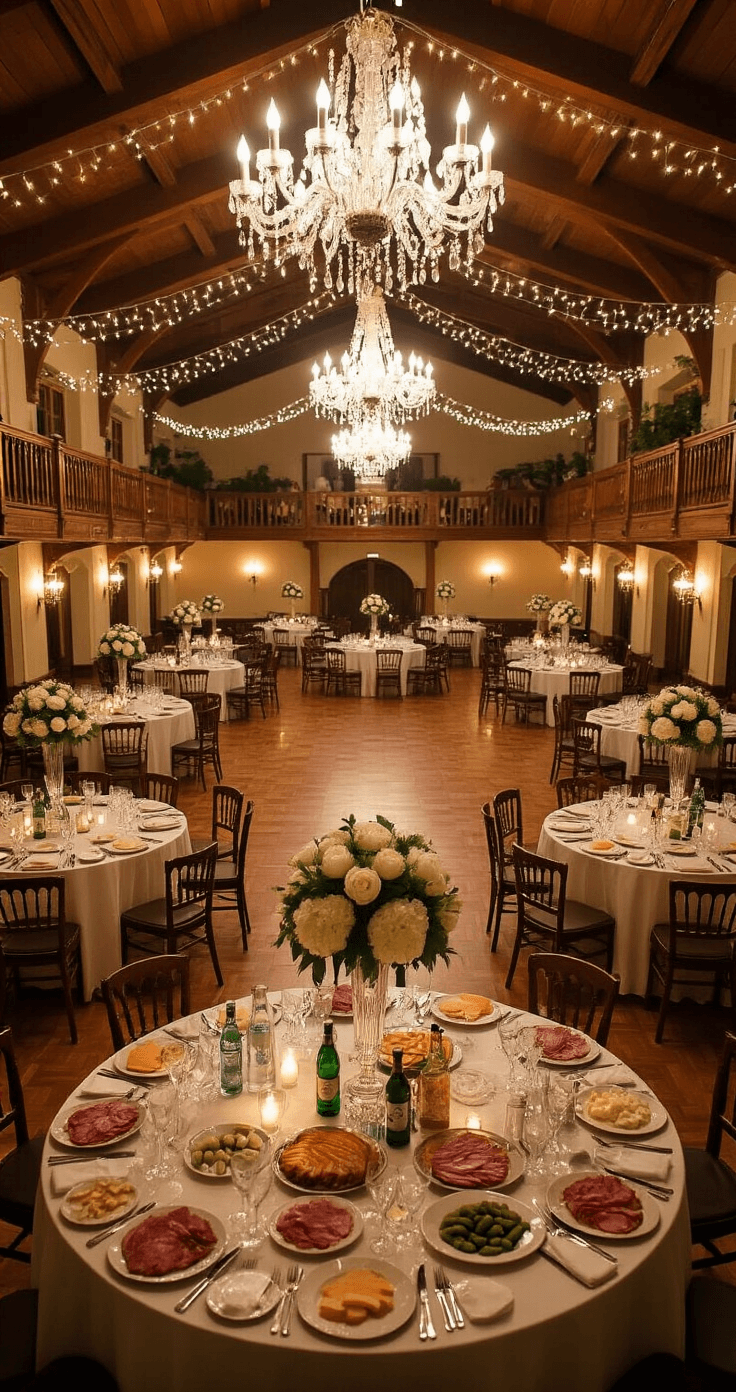
The wesele is where Polish wedding culture really shows itself. This is not your average two-hour cocktail-hour-and-dinner wedding reception. This is an all-night event — and I mean that literally. Receptions regularly run from late afternoon until four, five, or even six in the morning.
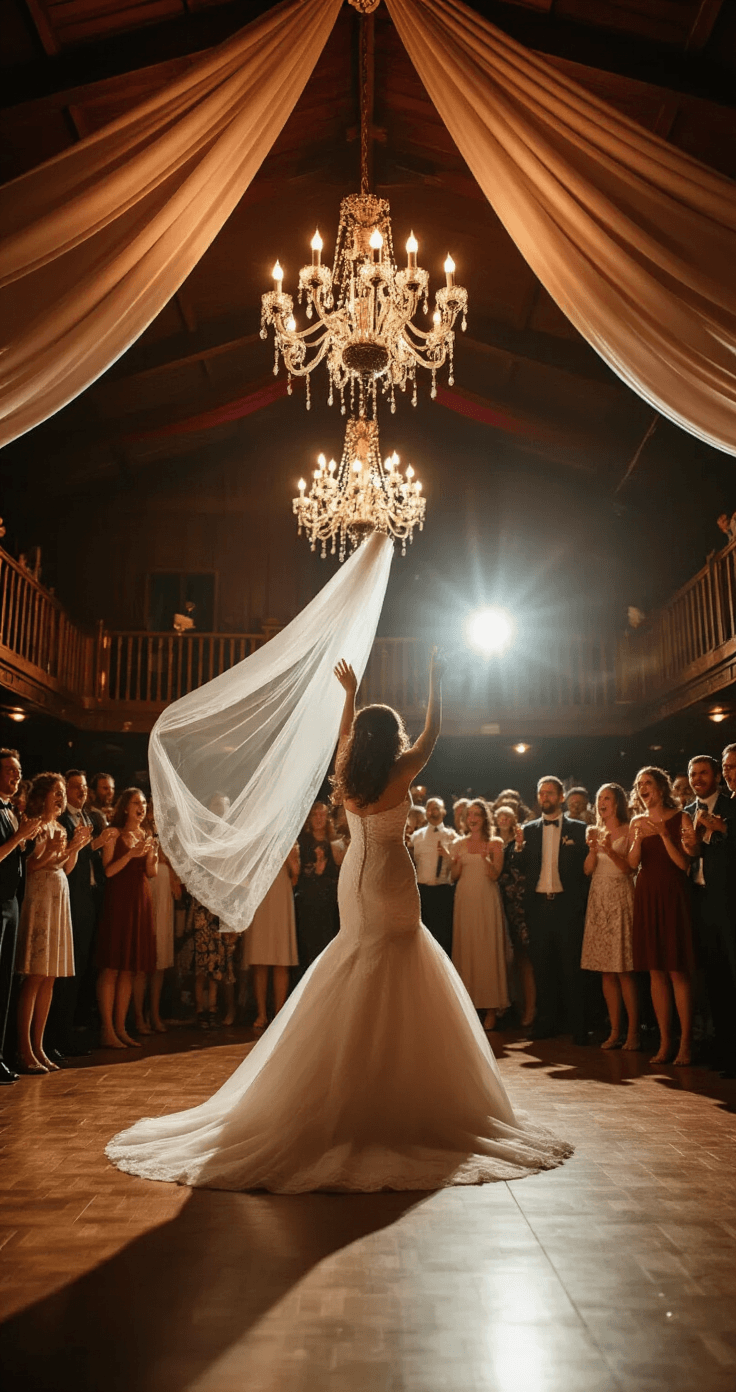
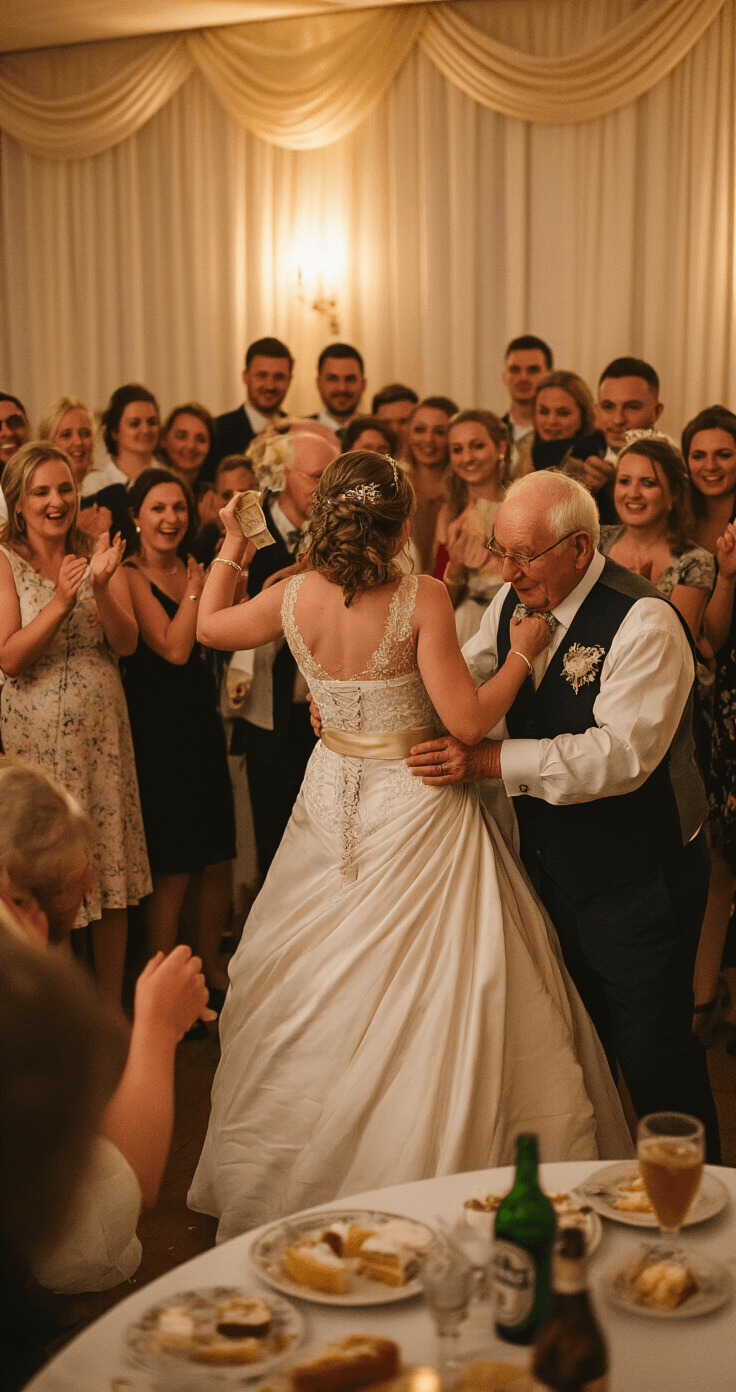
Guests eat, drink, dance, laugh, and celebrate in waves throughout the night, and just when you think it’s winding down, the music picks back up again.
The Bread and Salt Welcome: Your First Polish Wedding Ritual
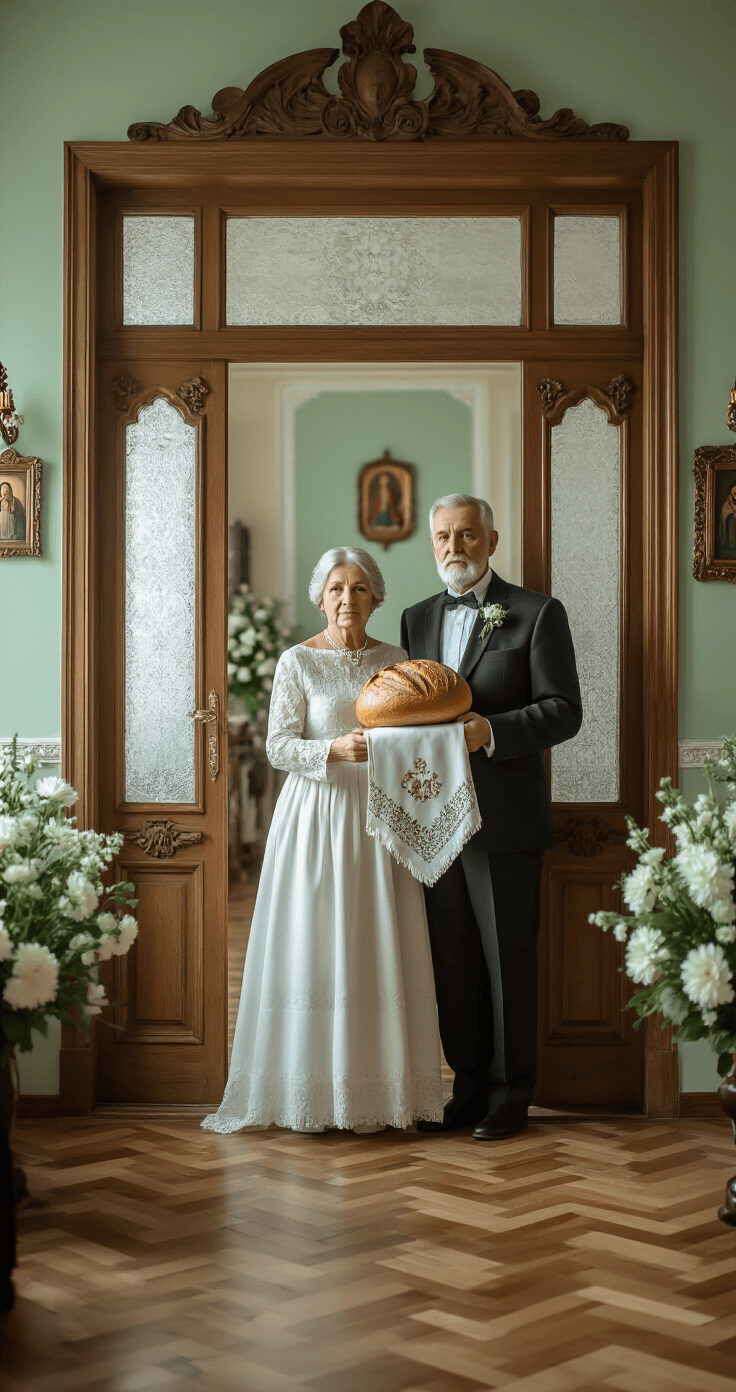
The reception kicks off with one of the most iconic Polish wedding customs — the bread and salt welcome.
Here’s how it works:
- The couple is greeted by their parents (usually the bride’s parents) at the reception venue
- They’re presented with a loaf of bread, a dish of salt, and sometimes small glasses of vodka or wine
- The bread represents prosperity and abundance
- The salt represents resilience and the harder moments of life
- The vodka or wine represents joy and celebration
The couple takes a bite of the bread, dips it in salt, and drinks. But here’s the fun twist:
Sometimes there are two glasses — one with water and one with vodka.
Whoever drinks the vodka is playfully declared the “ruler of the house.” It gets laughs every single time, and it’s the perfect icebreaker to launch the reception.
Food, Drink, and Dancing: The Core of the Wesele
Once the welcome ritual is done, the real celebration begins.
Food at a Polish wedding reception:
- Multiple courses of hot dishes served throughout the evening
- Cold buffet spreads featuring meats, salads, pickles, and traditional Polish fare
- Cakes and desserts served late at night when you think you couldn’t possibly eat more
- Everything is abundant — Polish wedding hosts take pride in making sure no one leaves hungry
Drinks:
- Vodka bottles placed directly on the tables — this is standard and expected
- Frequent toasts throughout the night
- The traditional song “Sto lat” (which means “a hundred years”) is sung as a toast wishing the couple long life and happiness
If you want to blend in, learn the words to “Sto lat” before you go. Everyone sings it together and it’s genuinely joyful.
Want to keep this one?
We'll email you the link so you can find it again later.