Radiant Cut Engagement Rings: Every Style Worth Knowing Before You Buy
Radiant Cut Engagement Rings: Every Style Worth Knowing Before You Buy
Radiant cut engagement rings are one of those rare choices that somehow manage to look stunning in almost every setting imaginable.
I’ve spent a lot of time researching and obsessing over engagement ring styles, and the radiant cut keeps coming up as the one that surprises people the most.
Most folks walk in expecting to choose between a round brilliant or an emerald cut. Then they see a radiant, and everything changes.
Here’s why that happens — and how to figure out which radiant ring style is actually right for you.
What Makes a Radiant Cut Different From Everything Else?
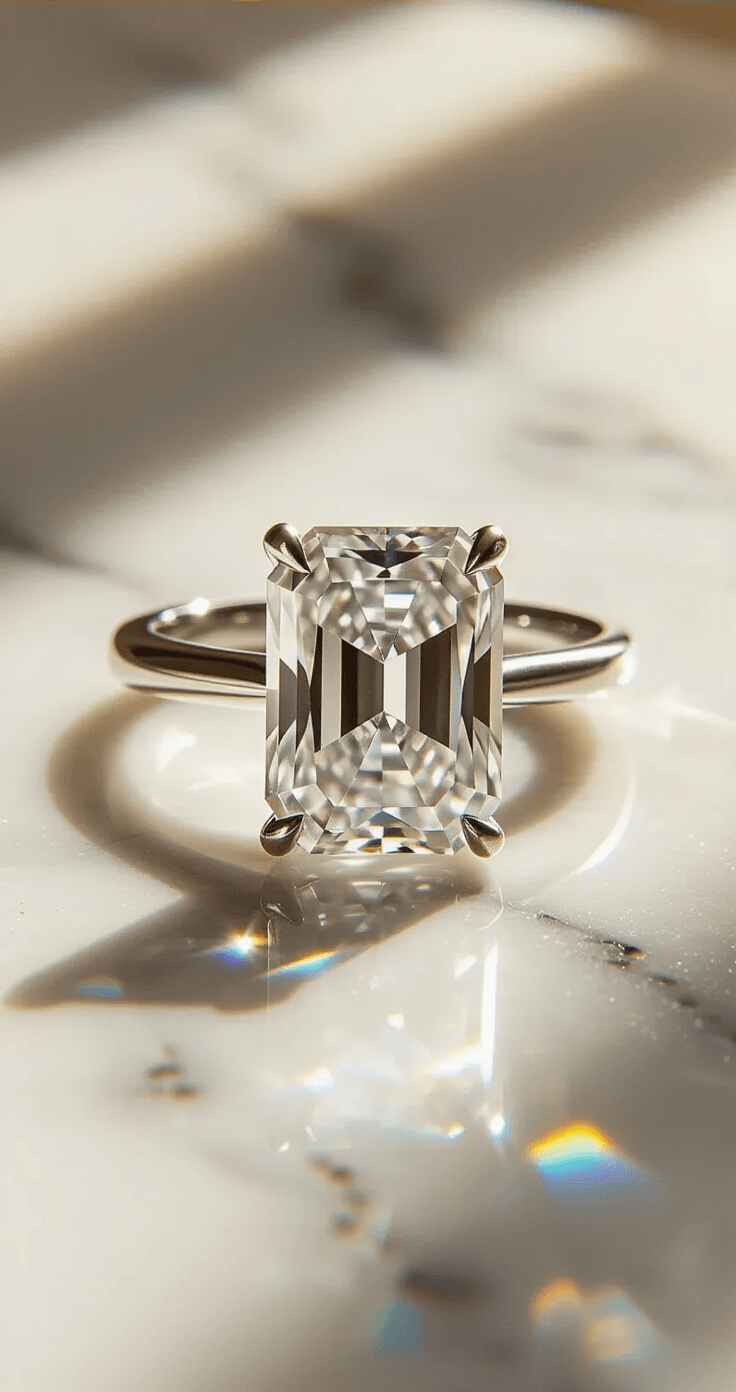
Before we get into the styles, let me give you the short version of why radiant cuts are so special.
A radiant cut takes two completely different ideas and smashes them together in the best possible way:
- The sparkle and fire of a round brilliant diamond
- The clean, rectangular or square shape of an emerald cut
The result is a stone with cropped corners (so it’s durable and easy to set), a bold geometric outline, and somewhere around 70 brilliant-style facets that throw light everywhere.
That’s a lot of facets. That means a lot of fire. That means a lot of people stopping to stare at your hand.
Radiant cuts also have a unique flexibility — they look equally at home in sleek modern settings and ornate vintage designs. That’s not something every cut can pull off.
Classic and Minimal Radiant Ring Styles (For the “Less Is More” Crowd)
If your style runs toward clean lines and simple beauty, this is your section.
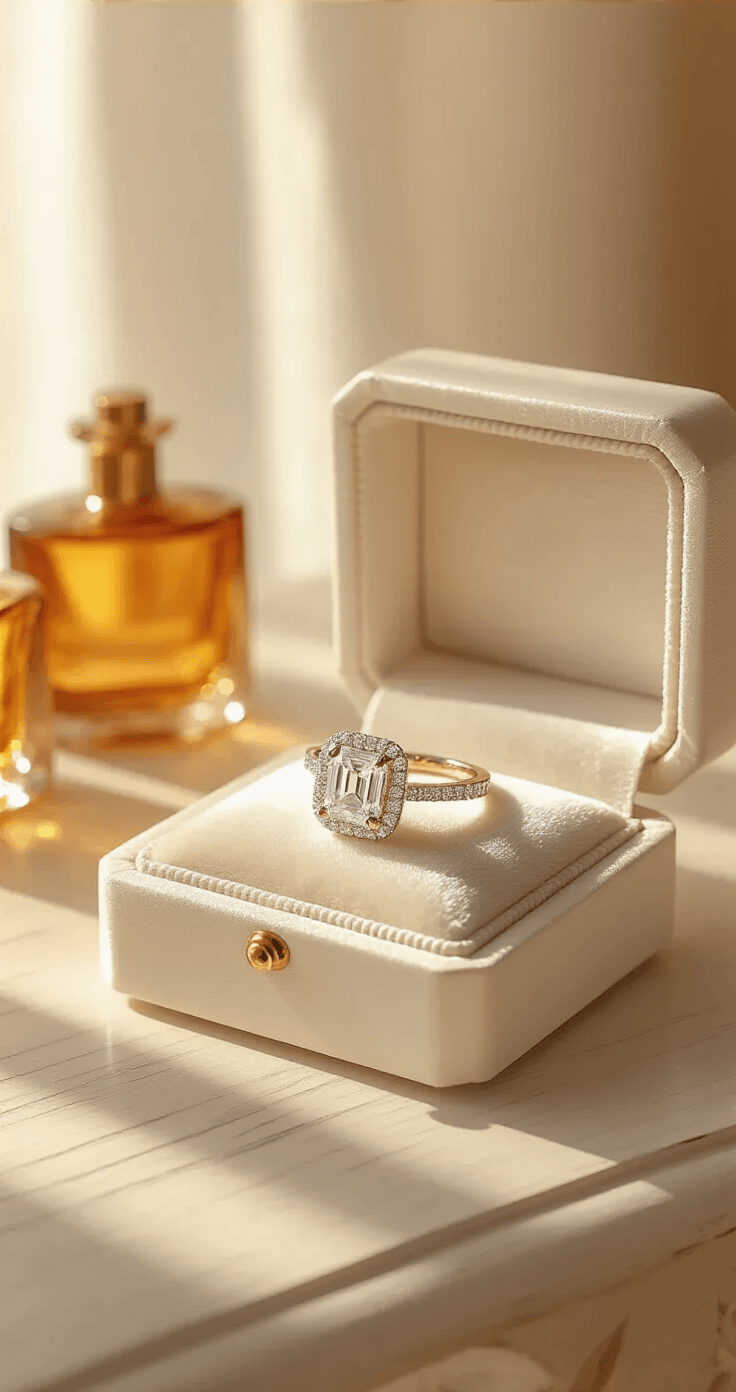
The Simple Solitaire on a Thin Band
This is the most straightforward radiant ring you can buy, and honestly, it might be the most striking.
One radiant cut. One thin band — usually white gold or platinum. Nothing else competing for attention. The stone does everything.
A few things worth knowing about proportions here:
- Elongated radiant cuts make fingers look slimmer and longer — great if you want that effect
- Square radiant cuts sit more compactly and suit smaller hands beautifully
- A thin band (under 2mm) makes the center stone look larger and more delicate
If you want to shop for something like this, a radiant cut solitaire engagement ring is a great starting point.
Solitaire With a Pavé or French Pavé Band
Same idea as the plain solitaire, but now the band is lined with tiny diamonds. This adds shimmer along the finger without making the ring feel overdone.
A ¾ pavé band — where the diamonds go most but not all the way around — is a smart practical choice too. It gives you that “eternity ring” feel while leaving the underside of the band plain, which makes resizing easier.
The Hidden Halo Radiant
This one is clever. Instead of a visible halo of diamonds around the top of the stone, the halo is tucked underneath the center stone’s setting — called the basket.
From above, the ring looks clean and minimal. From the side, you see this unexpected glimmer peeking out. It’s a detail that rewards people who look closely.
Save this article
Enter your email and we'll send it straight to your inbox.
Halo Radiant Styles (For Maximum Sparkle and Presence)
Some people don’t want subtlety. They want sparkle. Big, unapologetic, stop-traffic sparkle. That’s what halo settings are for.
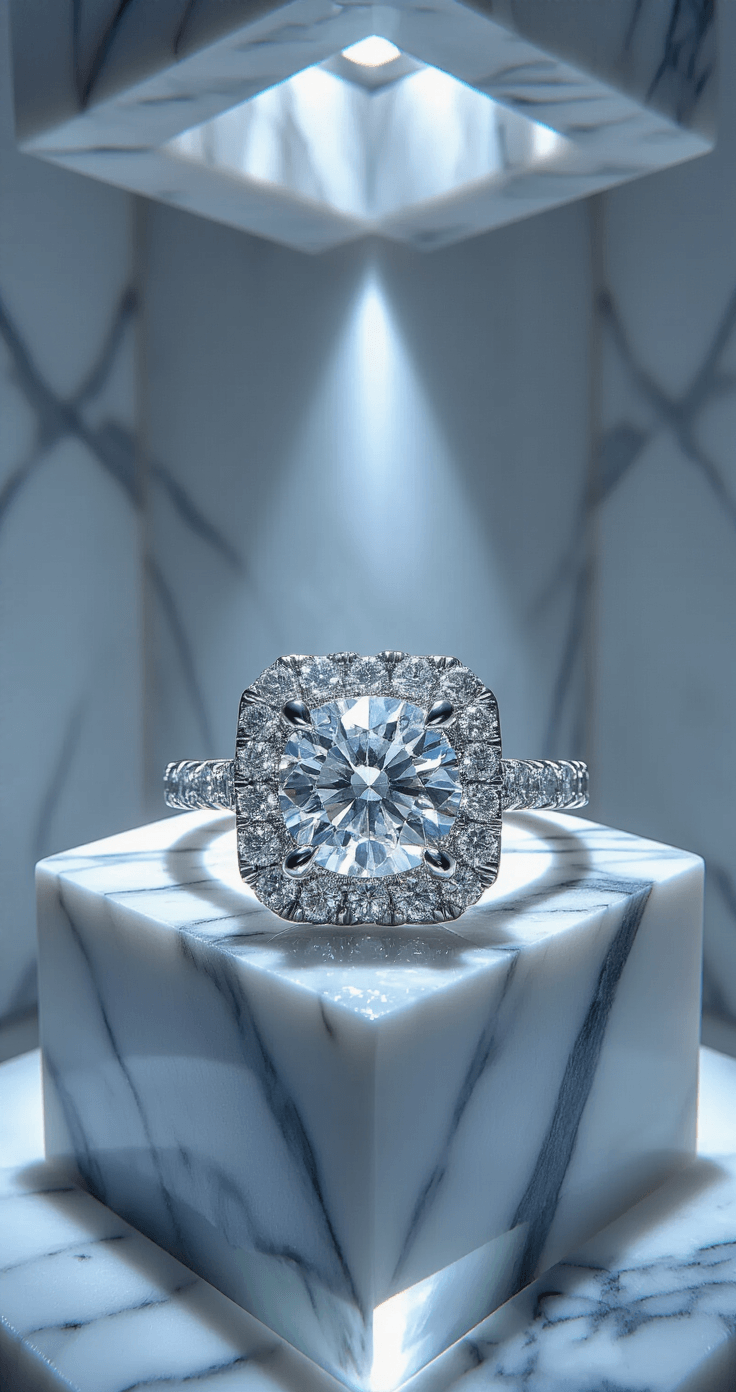
Classic Halo Radiant
A frame of small diamonds surrounds the center radiant and does two things:
- Makes the stone look significantly larger from across the room
- Amplifies the overall brilliance because now you have two layers of light-catching diamonds instead of one
Halo settings are consistently among the most popular choices for radiant cut rings — and once you see one in person, it’s easy to understand why.
A radiant cut halo engagement ring in white gold is a timeless crowd-pleaser.
Double Halo or Geometric Halo
For even more drama, a double halo adds a second ring of diamonds around the first. A geometric or squared halo (shaped to mirror the radiant’s outline) leans into the Art Deco aesthetic and gives the whole ring a strong architectural feel.
This style pairs especially well with white gold or platinum.
Halo With a Pavé Band
Combine a radiant center stone, a halo, and a diamond-studded pavé band and you get a ring that catches light from every possible angle. This is the “all-in” sparkle choice. If you’re someone who loves jewelry that announces itself, this is it.
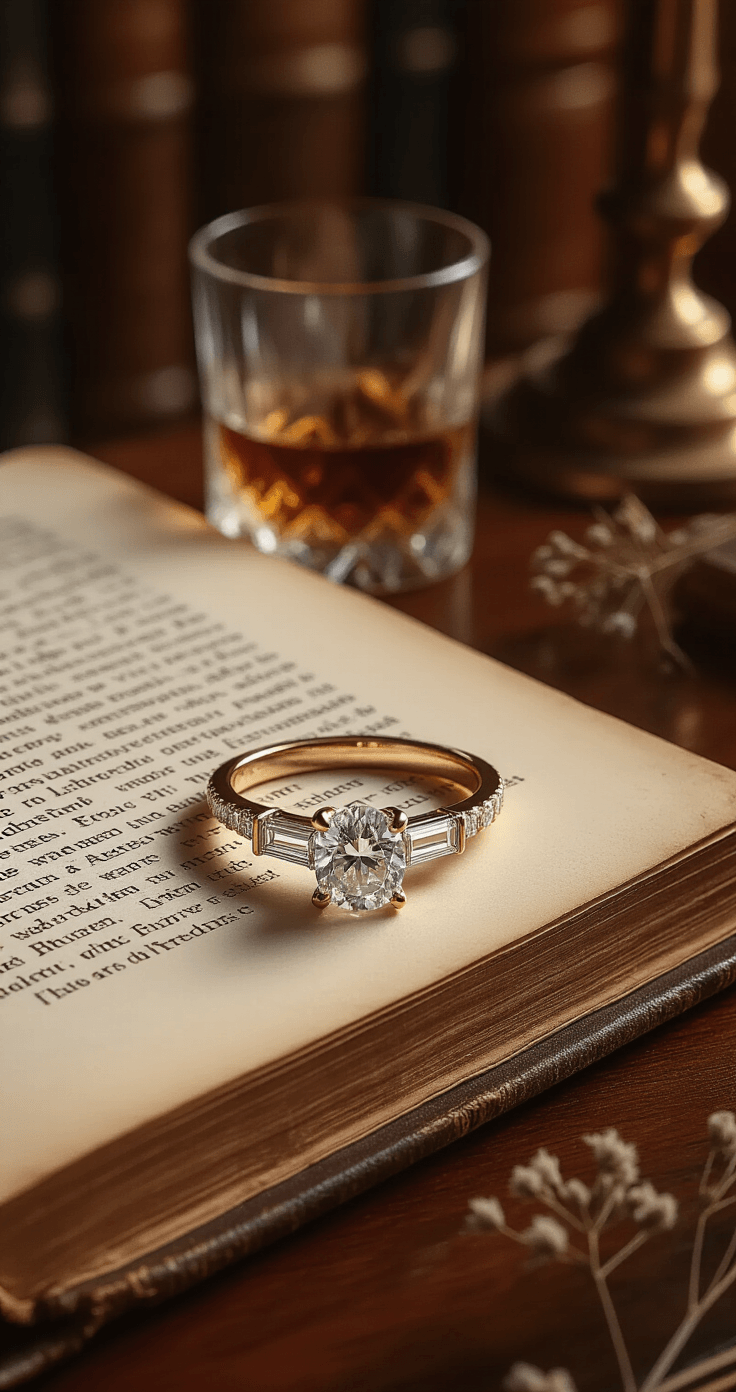
Three-Stone Radiant Ring Styles (For Meaning and Drama)
Three-stone rings carry a beautiful tradition with them. The three stones represent past, present, and future — which makes them a meaningful choice beyond just aesthetics.
With a radiant center, your side stone options dramatically change the overall feel of the ring.
Radiant With Tapered Baguette Side Stones
Baguettes are rectangular and straight-edged, which makes them a natural geometric match for the radiant cut. The lines echo each other. The result is elegant, clean, and timeless.
This is a three-stone design that tends to photograph beautifully and look stunning in person.
Radiant With Trillion Side Stones
Trillions are triangular, and they create a very different effect. They point outward from the center stone like wings, giving the ring a bold, modern frame.
This combination also makes the ring look wider on the finger, which can be flattering depending on hand shape.
Radiant With Round or Pear Side Stones
Round brilliants or pear-shaped side stones soften the radiant’s geometry. If you love the radiant shape but want a slightly less angular overall look, this is a good middle ground.
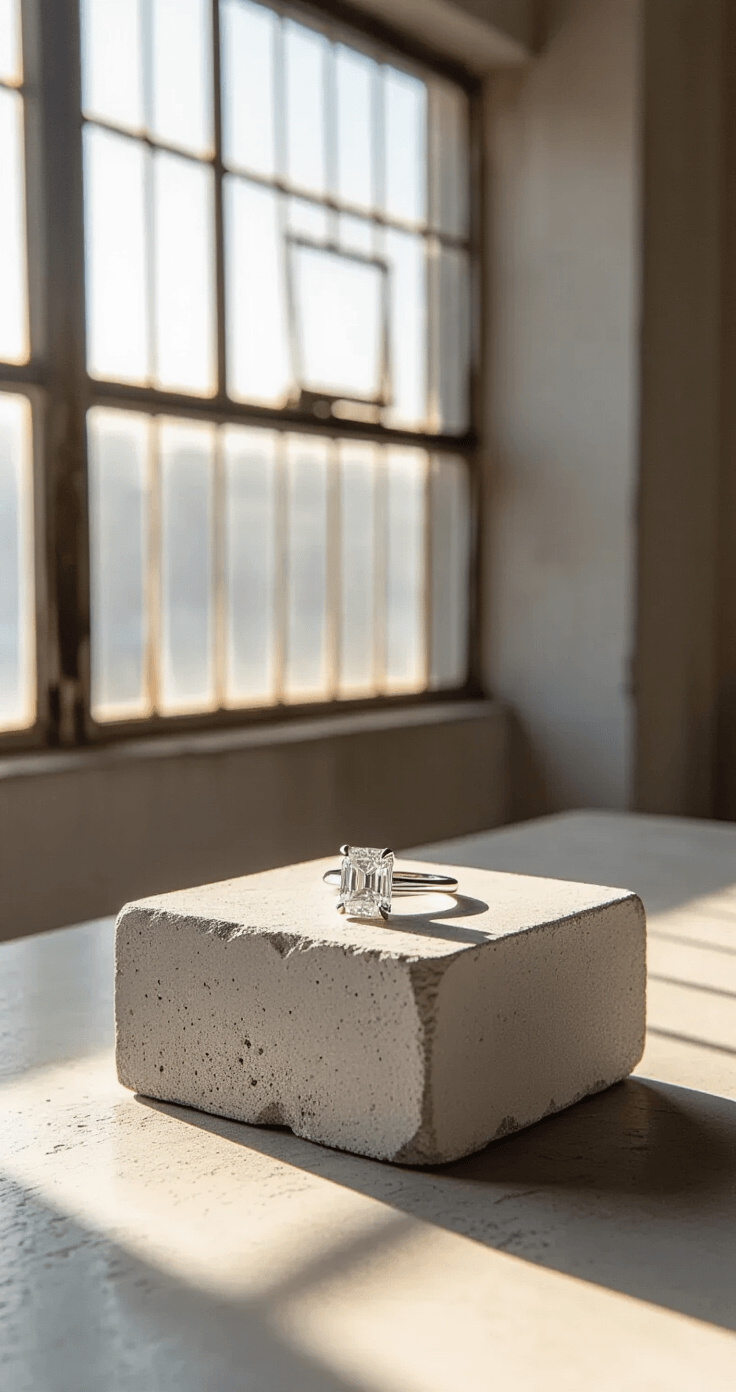
East-West and Bezel Settings (The Modern Minimalist Options)
These two styles are where radiant rings get genuinely interesting for people who want something different.
East-West Radiant Solitaire
Instead of setting the stone
Want to keep this one?
We'll email you the link so you can find it again later.