Necktie Wedding Attire: The Complete Guide to Choosing, Styling, and Photographing Your Wedding Look
Necktie Wedding Attire: The Complete Guide to Choosing, Styling, and Photographing Your Wedding Look
Necktie wedding attire is one of those things that sounds simple until you’re actually standing in front of a mirror, holding three different ties, with no idea which one is right for the occasion.
I’ve been there.
And honestly, it’s more stressful than people give it credit for.
Whether you’re the groom, a groomsman, or just a guest trying not to underdress or overdress, the tie you pick tells a story before you even say a word.
This guide is going to walk you through everything — how to choose the right tie, how to match it with your suit and shirt, how to style the full look, and even how to photograph it properly if you’re creating content or documenting the day.
No guesswork, no confusion.
Just real, practical advice that actually makes sense.
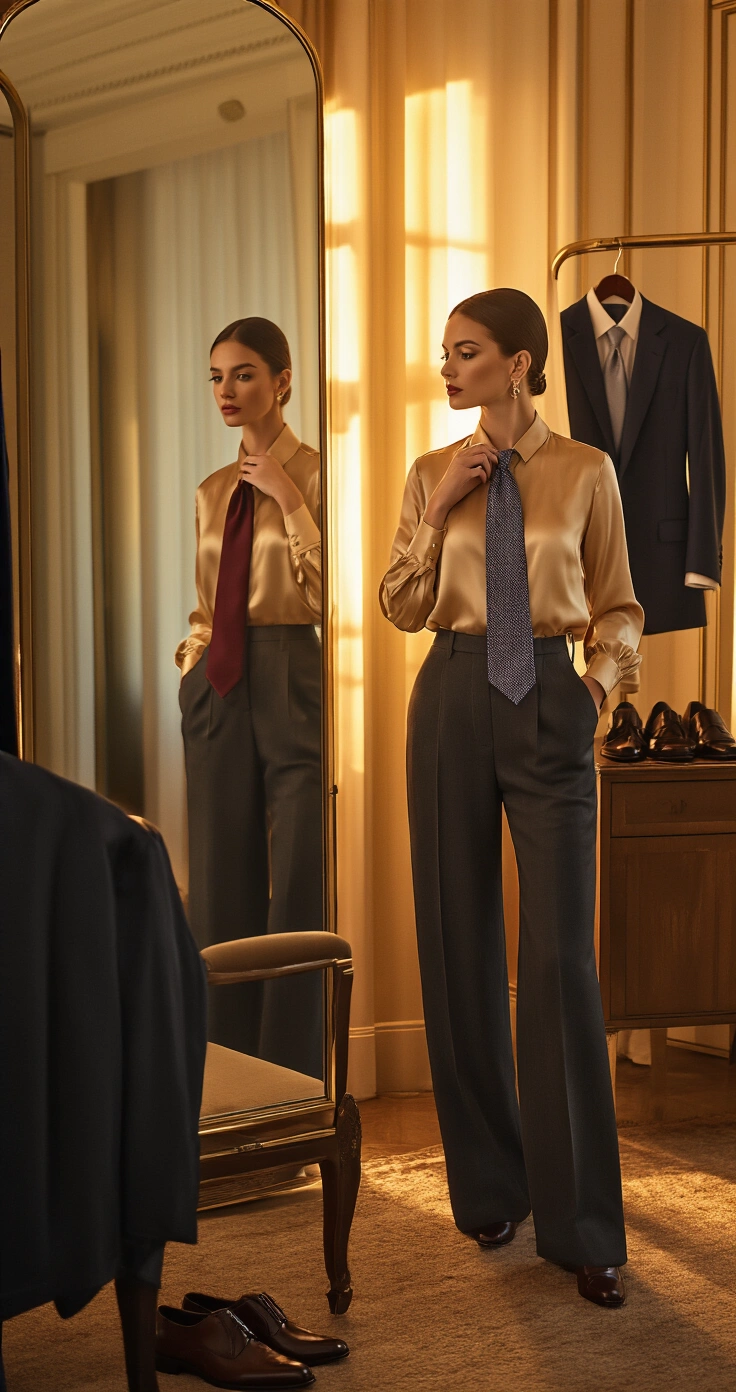
Why the Right Wedding Tie Actually Matters More Than You Think
Most guys don’t think twice about the tie.
They grab whatever looks okay in the store, throw it on the morning of the wedding, and call it done.
But here’s the thing — the tie is one of the most visible parts of a formal look.
It sits right at the center of your chest, at eye level, in every single photo.
It either pulls the outfit together or it throws the whole thing off.
A bad tie choice can make an expensive suit look cheap.
A great tie choice can make a modest suit look polished and sharp.
So yeah, it matters.
And once you understand a few basic rules, it stops being complicated.
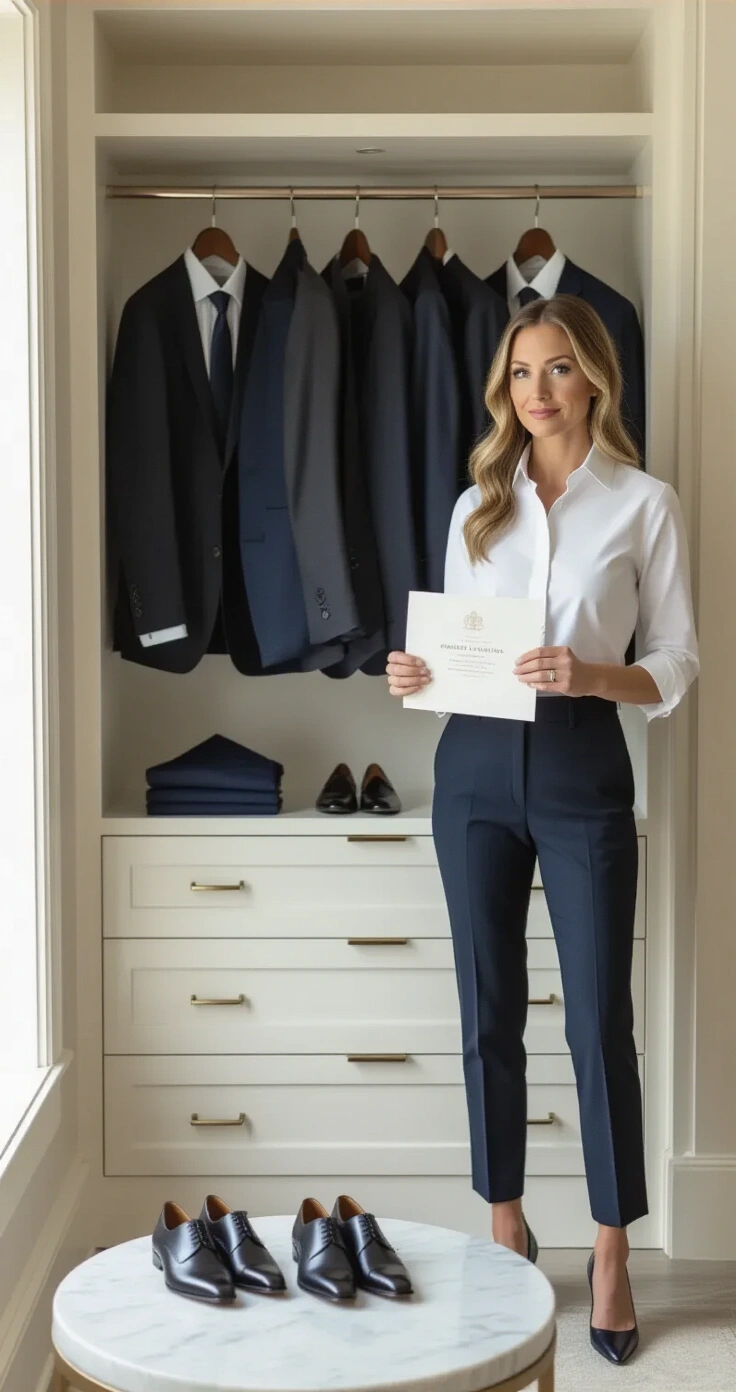
Understanding Wedding Dress Codes Before You Pick Anything
Before you even touch a tie, you need to know the dress code.
The invitation is telling you exactly what to wear — most people just don’t know how to read it.
Black Tie
This is the most formal option.
A tuxedo is expected here, and traditionally, that means a bow tie — not a standard necktie.
If you wear a long necktie to a black-tie wedding, it’s not a disaster, but it’s not technically correct either.
Black Tie Optional
This gives you more flexibility.
A dark formal suit with a well-chosen necktie is completely acceptable here.
A tuxedo works too, but it’s not required.
Cocktail Attire
This is where a necktie really shines.
A sharp suit, a clean dress shirt, and a well-matched tie is exactly the right look for cocktail-level events.
Save this article
Enter your email and we'll send it straight to your inbox.
Semi-Formal or Smart Casual
A tie is still a strong choice here, but it’s not always required.
A relaxed silk or linen tie with a neat suit works well.
Casual or Garden Party
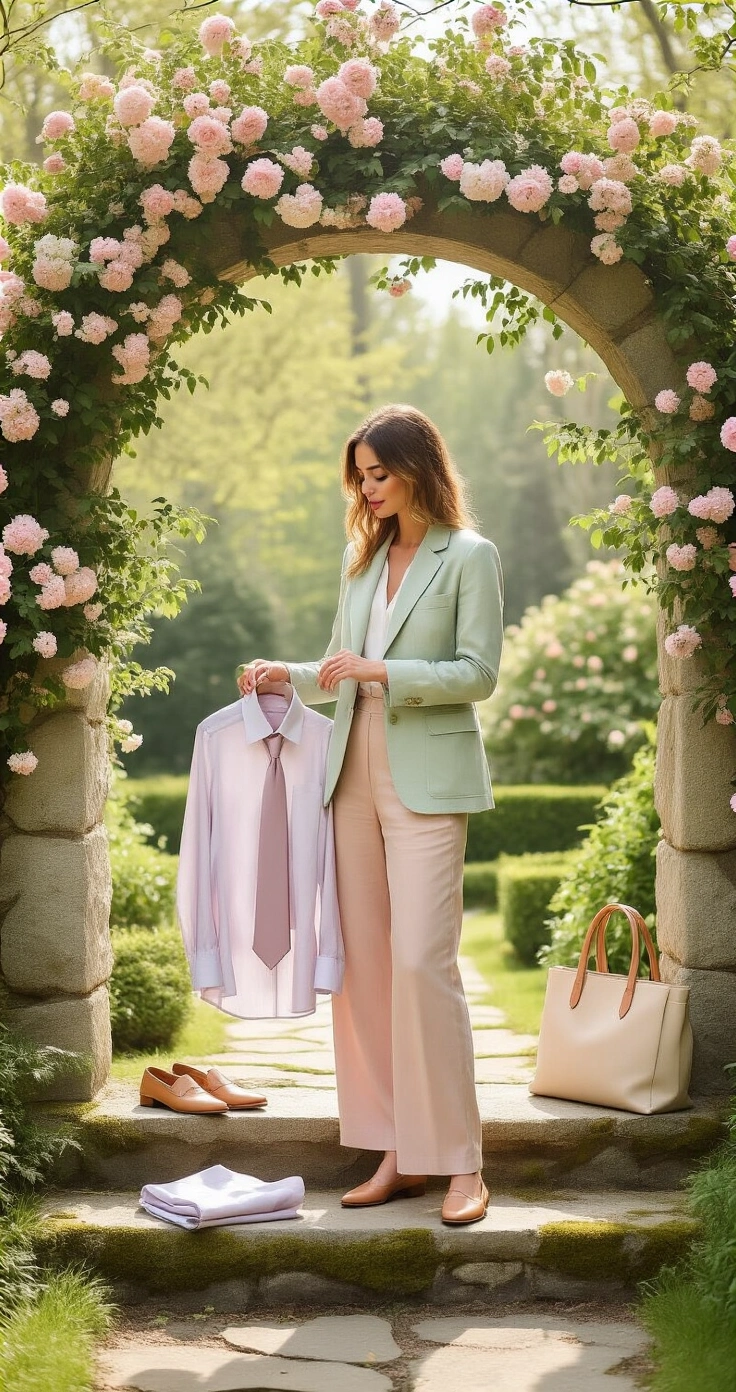
A tie is optional, but a light, relaxed tie in a soft color can look genuinely great for spring and summer garden weddings.
Reading the dress code first saves you from overthinking every other decision.
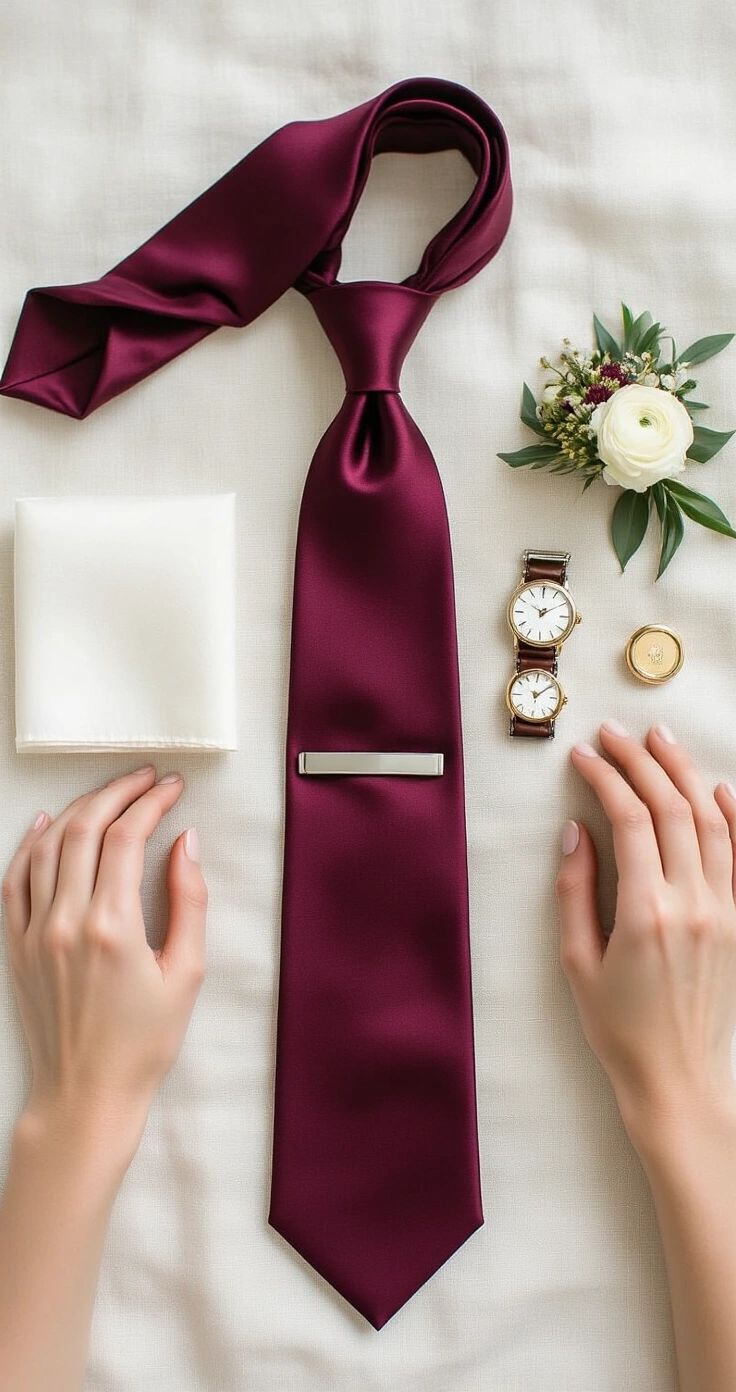
The Essential Pieces You Actually Need for Wedding Necktie Attire
Let’s talk about what you need to put together a complete, polished look.
Here’s the core list:
- A well-tailored suit or tuxedo
- A white, pale blue, or lightly patterned dress shirt
- A silk necktie for formal and semi-formal weddings
- A wool tie for cooler weather or textured winter looks
- A linen or cotton tie for relaxed spring and summer events
- A pocket square
- Leather dress shoes or formal loafers
- A matching or coordinated belt
- Dress socks
- A watch
- Optional extras: tie bar, cufflinks, boutonnière, suspenders
You don’t need all of this at once.
But knowing what’s available helps you build a look that feels complete rather than half-finished.
How to Choose the Right Tie for a Wedding — The Basics
Here’s where most people start second-guessing themselves.
The good news is that tie selection really comes down to three things: fabric, color, and pattern.
Fabric First
The fabric of your tie should match the formality of the event.
- Silk ties are the most formal option and work for almost every wedding setting
- Wool ties are great for fall and winter weddings with heavier suits
- Linen and cotton ties work well for spring, summer, beach, and garden ceremonies
A matte silk tie in a solid color is probably the most versatile option you can own.
Color Next
Color coordination matters more than people realize.
The tie should work with your shirt, your suit, and the general mood of the wedding — not clash against all three.
Keep the tie darker than the shirt in most classic combinations.
A white or light blue shirt gives you the most flexibility because almost any tie color works against it.
Pattern Last
Pattern is where things can go sideways if you’re not careful.
The basic rule is this: if your shirt has a pattern, your tie should be solid.
If your shirt is solid, you can go with a patterned tie.
Mixing two bold patterns at once is a risk most people aren’t ready for at a wedding.
Start simple, then experiment once you’ve got the basics locked in.
The Color Palette That Works for Every Wedding Season
This is genuinely useful stuff, so I’m going to break it down by season.
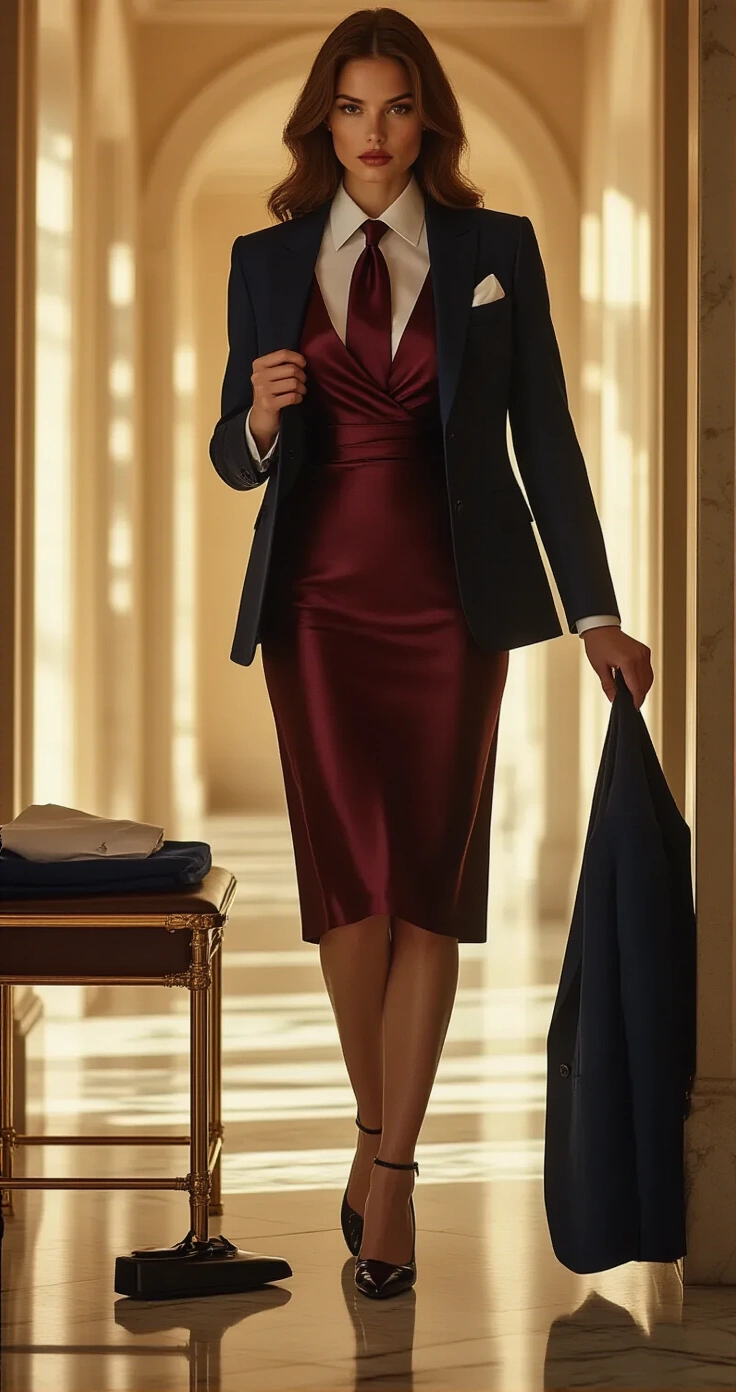
Formal Evening Wedding
- Suit: Black, charcoal, or midnight navy
- Tie: Black, silver, burgundy, or dark blue
- Vibe: Sharp, classic, unforgettable
Want to keep this one?
We'll email you the link so you can find it again later.