Ethereal Wedding Dress: The Complete Guide to Styling, Photographing, and Creating Dreamy Bridal Content
An Ethereal Wedding Dress: The Complete Guide to Styling, Photographing, and Creating Dreamy Bridal Content
An ethereal wedding dress isn’t just a gown — it’s a feeling.
It’s the way chiffon catches the wind. It’s the soft glow of tulle in backlight. It’s lace that looks like it grew there.
If you’ve ever scrolled through bridal photos and felt your breath catch at one of those flowing, dreamlike images — the ones where the bride looks like she belongs in a fairytale — you already know what “ethereal” means.
But maybe you’re wondering:
- How do I actually get that look?
- What fabrics, silhouettes, and details create that otherworldly effect?
- How do I photograph it so it looks as magical on screen as it does in person?
- Can I do this on a budget, or do I need a full production team?
I’ve spent a lot of time working with bridal styling and photography content, and I can tell you this: Getting the ethereal look right is absolutely achievable — but it takes planning, the right tools, and an understanding of why certain choices work.
This guide covers everything. From picking the right fabrics to nailing the movement shots to editing your images so the gown glows exactly the way it should.
Let’s get into it.
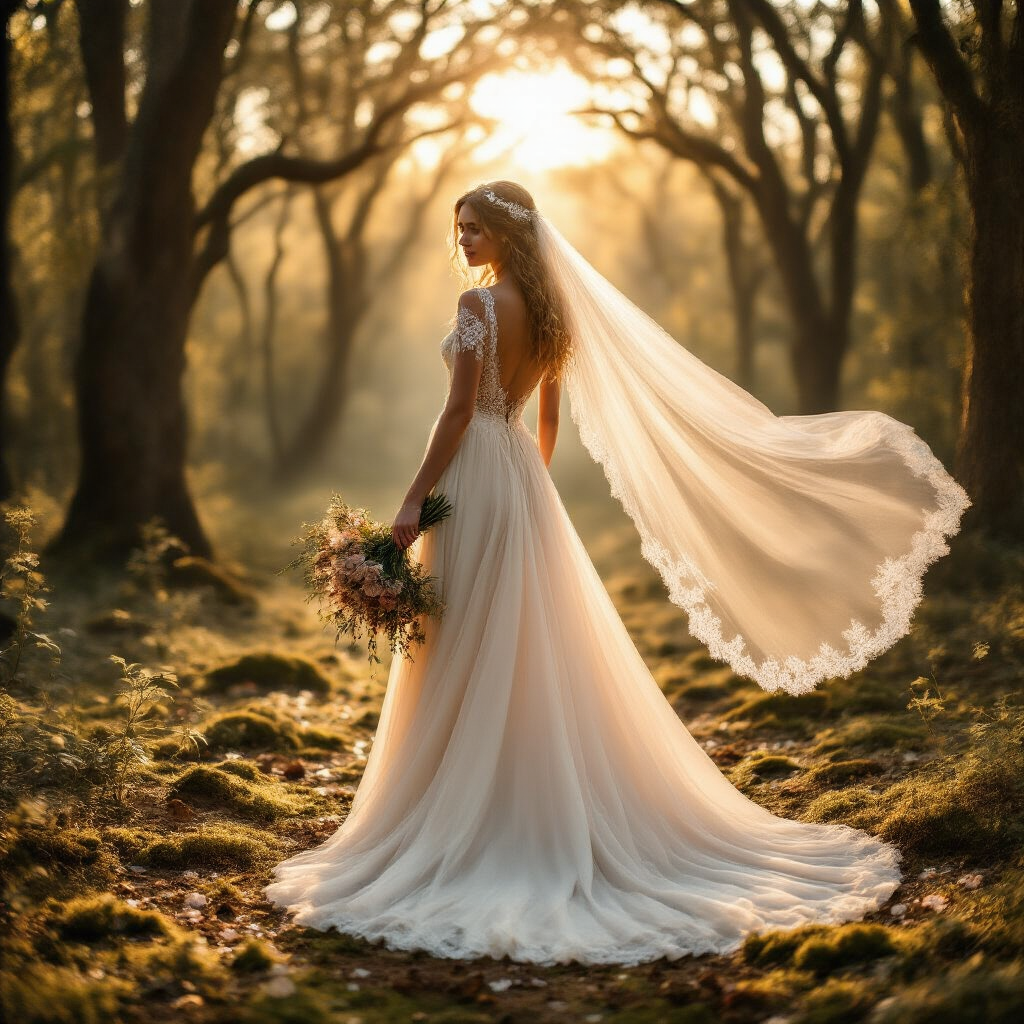
What Makes an Ethereal Wedding Dress Actually Ethereal?
Before anything else, you need to understand the language of this style.
Ethereal doesn’t mean “pretty dress.” It means a very specific visual mood — one that feels weightless, romantic, slightly otherworldly, and deeply feminine.
The elements that create that mood are:
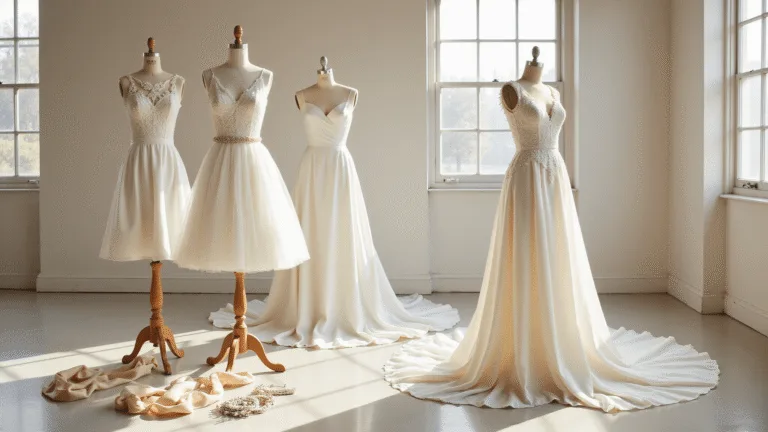
Silhouette:
- A-line shapes that flow away from the body
- Sheath styles that move with the body
- Soft empire waists that create a flowing skirt fall
Fabrics:
- Chiffon — lightweight, fluid, and beautifully translucent in backlight
- Tulle — airy and voluminous without heavy structure
- Organza — crisp but delicate with a soft sheen
- Silk — smooth and luminous with natural movement
- Lace — intricate and romantic, especially in illusion overlays
Details:
- Floral appliqués scattered across bodice or hem
- Delicate beading and embroidery
- Illusion necklines and sleeves
- Lightweight trains that move with the bride rather than dragging behind her
What it is NOT:
Save this article
Enter your email and we'll send it straight to your inbox.
- Ball gown poufs with heavy structure
- Stiff boning that restricts natural movement
- Overly sparkly or busy surface decoration
- Heavy satin that lies flat and lifeless
The goal is always the same: Make the gown appear weightless, luminous, romantic, and in motion.
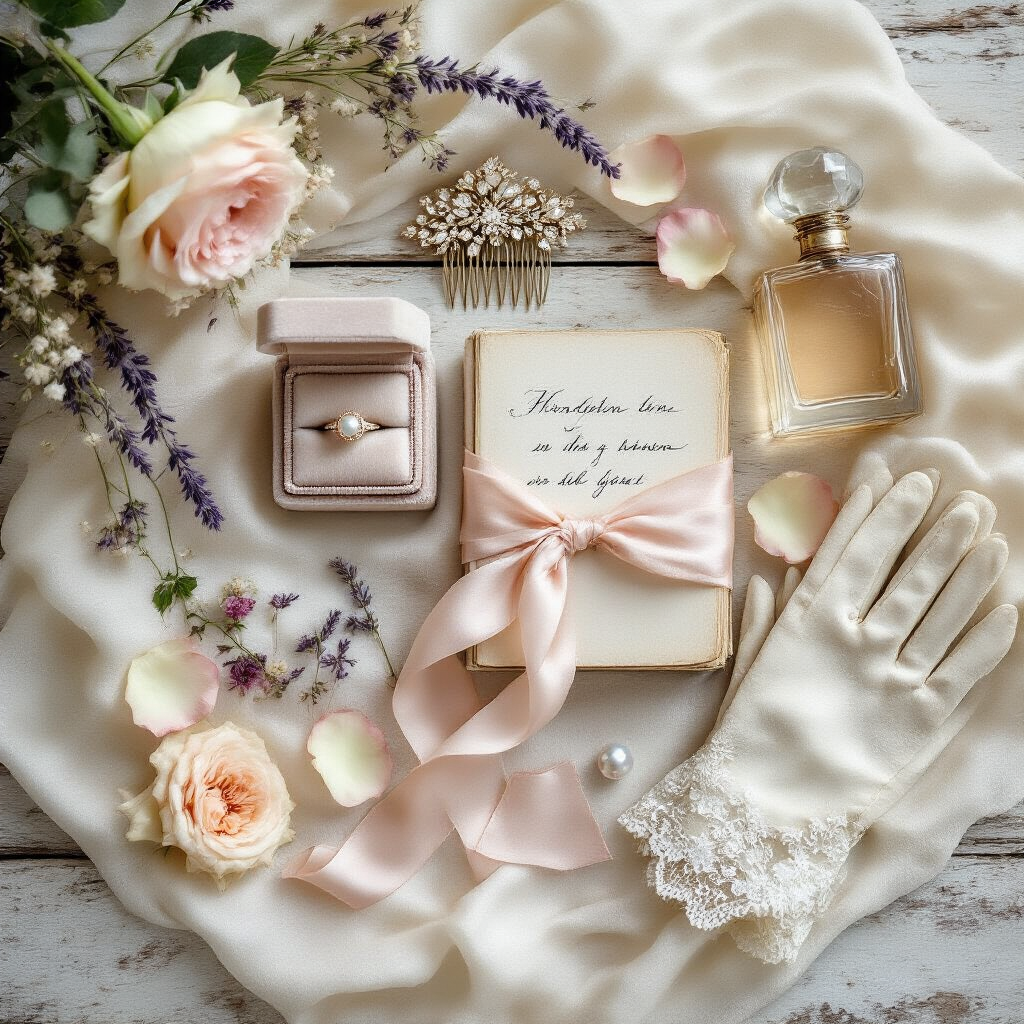
Quick Planning Facts Before You Start
Here’s what you’re working with before committing to the project:
| Element | What to Know |
|---|---|
| Photography time | 3–5 hours total — detail shots, portraits, movement, behind-the-scenes |
| Styling time | 2–4 hours — gown, veil, florals, props, and backdrop setup |
| Total content creation | 8–16 hours from concept through publishing |
| Space needed | At least 20–30 feet of clear space for veil movement and full-length shots |
| DIY difficulty | Moderate — delicate fabrics and wind management require coordination |
| Budget (affordable) | $500–$1,500 — simple gown, DIY florals, natural light |
| Budget (mid-range) | $1,500–$5,000 — styled shoot with professional photography |
| Budget (luxury) | $5,000–$20,000+ — designer gown, florals, full production team |
The most important number here is the space requirement. 20–30 feet sounds like a lot, but you need room to walk, turn, and release a veil without hitting a wall or a tree. Always scout your location with this in mind before committing.
The Best Settings for an Ethereal Bridal Look
This style works best in locations that feel organic, soft, and somewhat timeless.
Outdoor locations:
- Garden with loose, natural plantings
- Forest clearing with filtered light
- Vineyard rows in early morning light
- Wildflower meadow
- Beach at golden hour
- Historic estate grounds
Indoor locations:
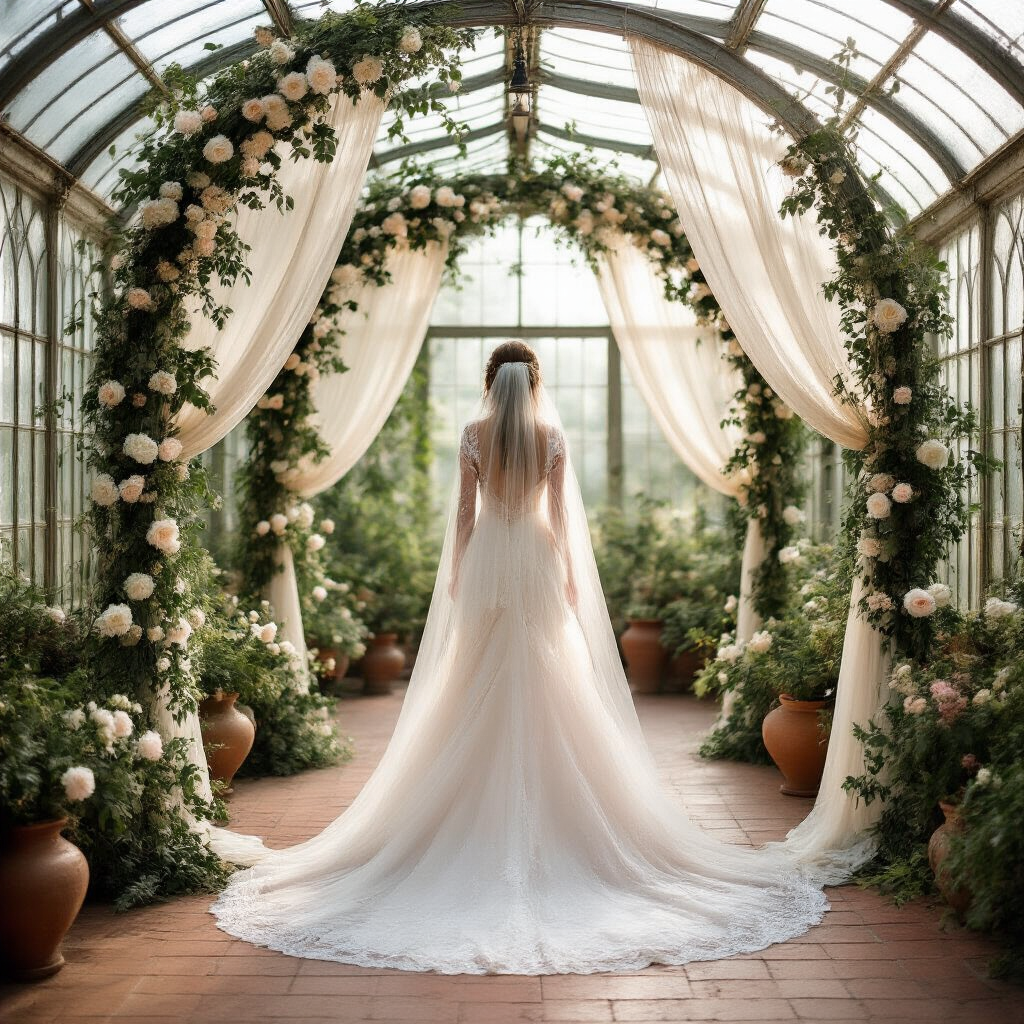
- Greenhouse with natural diffused light
- Chapel with arched windows
- Ballroom with tall windows and simple architecture
- Softly lit studio with sheer draping
What to avoid:
- Locations with bright, competing colors (bold murals, neon signage)
- Spaces too small for train movement
- Harsh midday sun without shade alternatives
- Cluttered backgrounds with furniture or electrical equipment
The Seasonal Breakdown: When and How to Adapt
The ethereal aesthetic works year-round, but each season calls for different styling choices.
Spring:
- Wildflower bouquets with loose, unstructured arrangements
- Pastel tones — blush, lavender, soft green
- Fresh greenery and natural floral crowns
Summer:
- Chiffon and organza for lightweight comfort
- Beach or meadow locations for movement shots
- Sunset and golden-hour photography
Autumn:
- Dried florals, pampas grass, and warm ivory tones
- Woodland textures — bark, moss, aged wood
- Deeper jewel accent colors like burgundy or rust
Winter: