Secular Wedding Scripts: Complete Ceremony Templates, Vows, Readings, and Unity Ceremony Ideas
Secular Wedding Scripts: Complete Ceremony Templates, Vows, Readings, and Unity Ceremony Ideas
Secular wedding scripts are the backbone of one of the most personal moments you’ll ever experience — and getting them right matters more than most couples realize until they’re standing at the altar.
Maybe you’re the couple who just got engaged and realized you have zero interest in a religious ceremony. Maybe you’re a friend who just got asked to officiate and you’re quietly panicking. Or maybe you’re a wedding planner who needs a solid, flexible ceremony framework that works for every kind of couple.
Whatever brought you here, you’re in the right place.
I’ve helped write and review dozens of wedding ceremonies over the years. I’ve watched gorgeous ceremonies fall flat because the script felt copy-pasted from the internet. I’ve also watched a 12-minute backyard ceremony move an entire crowd to tears — because every word was real.
That difference? It almost always comes down to the script.
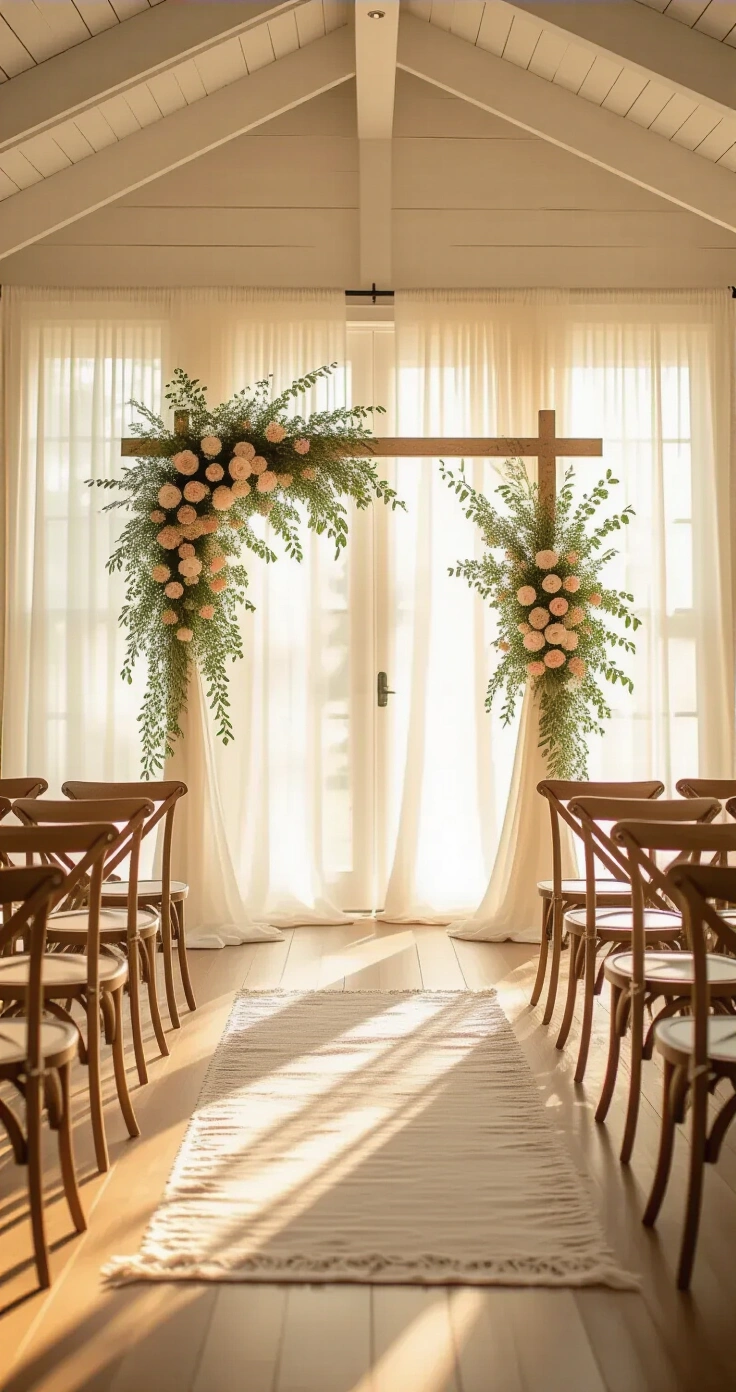
What Is a Secular Wedding Script, Exactly?
A **secular wedding ceremony script** is a written guide for a nonreligious ceremony.
No prayers. No Bible readings. No references to God unless the couple specifically wants spiritual-but-not-religious language.
What it does include:
- A warm welcome
- A reflection on love and partnership
- The couple’s story
- A declaration of intent (the legal “I do” moment)
- Personal vows
- A ring exchange
- An optional unity ritual
- A formal pronouncement
- A joyful send-off
Secular ceremonies aren’t cold or emotionless — that’s one of the biggest myths I run into. A great secular script is deeply personal, often more personal than a traditional religious ceremony, because every word is chosen specifically for this couple.

How Long Should Your Secular Ceremony Be?
Before you write a single word, figure out how long you want this ceremony to run.
Here’s a quick breakdown:
| Ceremony Type | Estimated Length |
|---|---|
| Short elopement | 10–15 minutes |
| Standard ceremony | 20–30 minutes |
| Personalized with readings and rituals | 30–45 minutes |
The most common mistake? Writing a 45-minute ceremony when you promised everyone 20 minutes.
A few time estimates to keep in your back pocket:
- Welcome and opening: 2–3 minutes
- Couple’s story: 3–5 minutes
- Each reading: 2–3 minutes
- Vows and ring exchange: 4–10 minutes total
- Unity ritual: 3–6 minutes
Plan for pauses, laughter, a few happy tears, and the photographer repositioning. Those moments add up fast.
Save this article
Enter your email and we'll send it straight to your inbox.
What You’ll Need to Write a Great Secular Wedding Script
The Essential Tools
- Google Docs or Microsoft Word for drafting
- A shared document the couple and officiant can both edit
- A ceremony timeline
- A couple questionnaire (more on this below)
- A legal requirements checklist for your location
- Large-print vow cards or cue cards for the ceremony day
- A timer to test your script length
- A pronunciation guide for names
- An offline backup copy
Optional But Genuinely Helpful
- An audio recorder for couple interviews
- A teleprompter or tablet stand for the officiant
- A ceremony microphone and sound system
- Printed ceremony programs
- Ring exchange cue cards
If You’re Working on a Budget
You genuinely don’t need to spend anything to write a great ceremony. Here’s the no-budget approach:
- Use a free notes app or Google Docs
- Interview the couple yourself rather than hiring a script writer
- Start with a simple structure and personalize only the welcome, couple’s story, vows, and closing
- Rehearse once with a timer
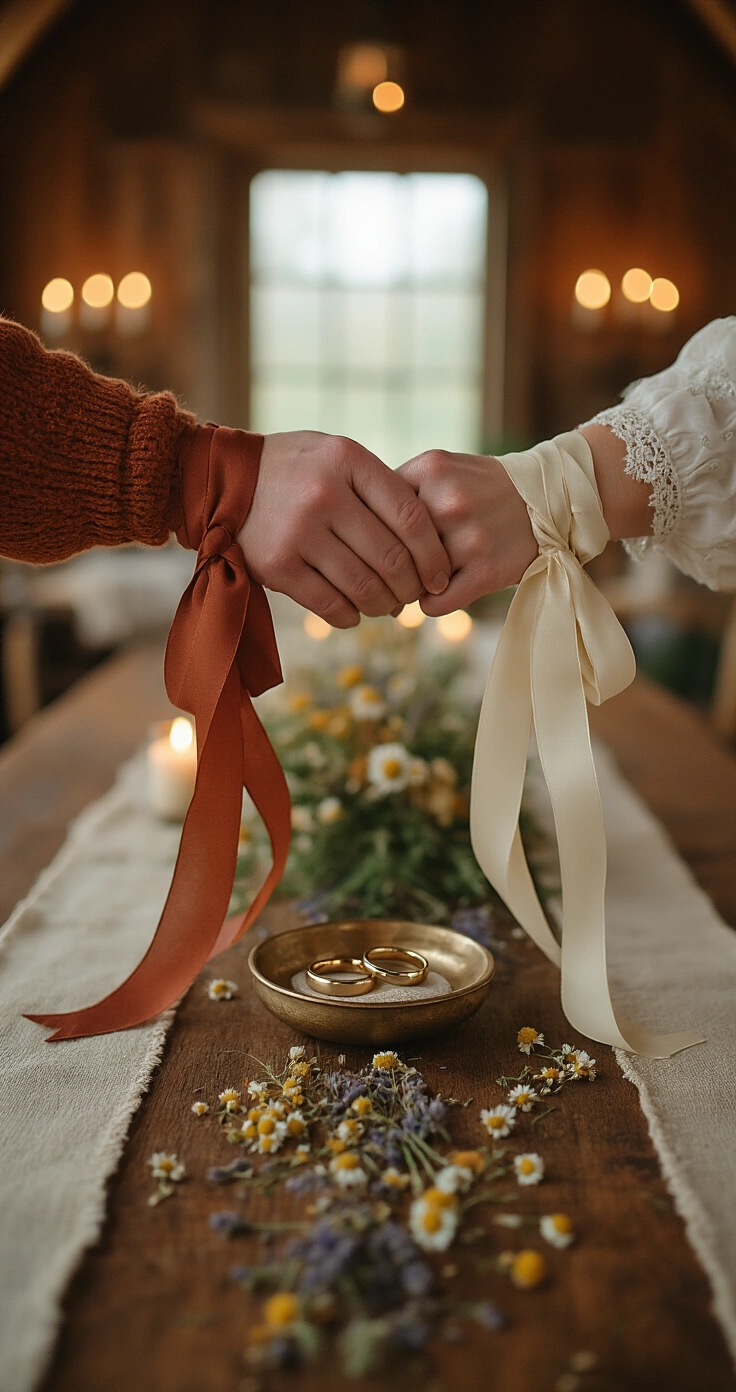
The Full Secular Wedding Ceremony Structure
Here’s the complete order most secular ceremonies follow. Think of this as your skeleton — every couple gets to put their own skin on it.
- Processional
- Welcome and opening remarks
- Acknowledgment of guests and absent loved ones
- Couple’s story or reflection on marriage
- Optional reading
- Declaration of intent
- Personal or repeat-after-me vows
- Ring exchange
- Optional unity ritual
- Pronouncement
- First kiss
- Closing remarks and recessional
Not every ceremony needs every element. A courthouse elopement might only need the declaration of intent, vows, and pronouncement. A backyard celebration with 150 guests might want the full experience.
Writing Each Section: Step-by-Step With Real Examples
1. The Welcome
The welcome sets the entire tone of your ceremony in the first 60 seconds. Get it right and everything flows. Get it wrong and you spend the rest of the ceremony trying to recover.
Keep it warm, specific, and short.
Example:
“Welcome, everyone. We are gathered here today to celebrate the commitment that [Name] and [Name] are making to one another. This ceremony is a celebration of their love, their partnership, and the community of family and friends who have supported them along the way.”
What makes this work:
- It names the couple
- It names
Want to keep this one?
We'll email you the link so you can find it again later.