What Makes a Wedding Dress Timeless — and How to Choose One That Still Looks Right in 2050
A timeless wedding dress is the one thing most brides say they want and the one thing almost nobody can define when you press them on it. I’ve had couples describe it in a dozen contradictory ways during their planning meetings — “classic but not boring,” “simple but a statement,” “something my daughter could wear.” What they’re circling around is a dress whose shape, fabric, and detailing still read as elegant decades later, rather than pinning you to the exact year you married. That’s a useful thing to aim for. It’s also a bit slipperier than the bridal magazines make it sound.
What “timeless” actually means
Timeless isn’t a style. It’s a quality that certain styles happen to have.
The clearest test I know is longevity of silhouette. Ball gowns, A-lines, and sheath dresses have been in continuous rotation for the best part of a century, and they’ll photograph well in fifty years because the eye has simply stopped registering them as “of a period.” Compare that to, say, a heavily illusion-panelled bodice with a specific cut-out that screams the year it was made. One ages quietly. The other doesn’t.
So the useful distinction is enduring aesthetics versus short-lived trends. Clean lines, balanced proportions, restrained detailing — these tend to survive. Novelty features rarely do. This isn’t a moral judgement, by the way. Plenty of brides want the fashionable thing and look wonderful in it, and if that’s genuinely you, chase it. But if your stated goal is a dress that doesn’t date, you need to be honest about which category a gown falls into before you fall in love with it.
The other half of timelessness is emotional. A dress that feels right decades later usually echoes something traditional — a modest neckline, good lace, a structured bodice — without being a costume. It nods to the bridal language people already recognise while still feeling like it belongs to now. That balance is the whole game.
Classic foundations, modern updates
Most of the dresses I’d call genuinely timeless sit somewhere in the middle of two extremes.
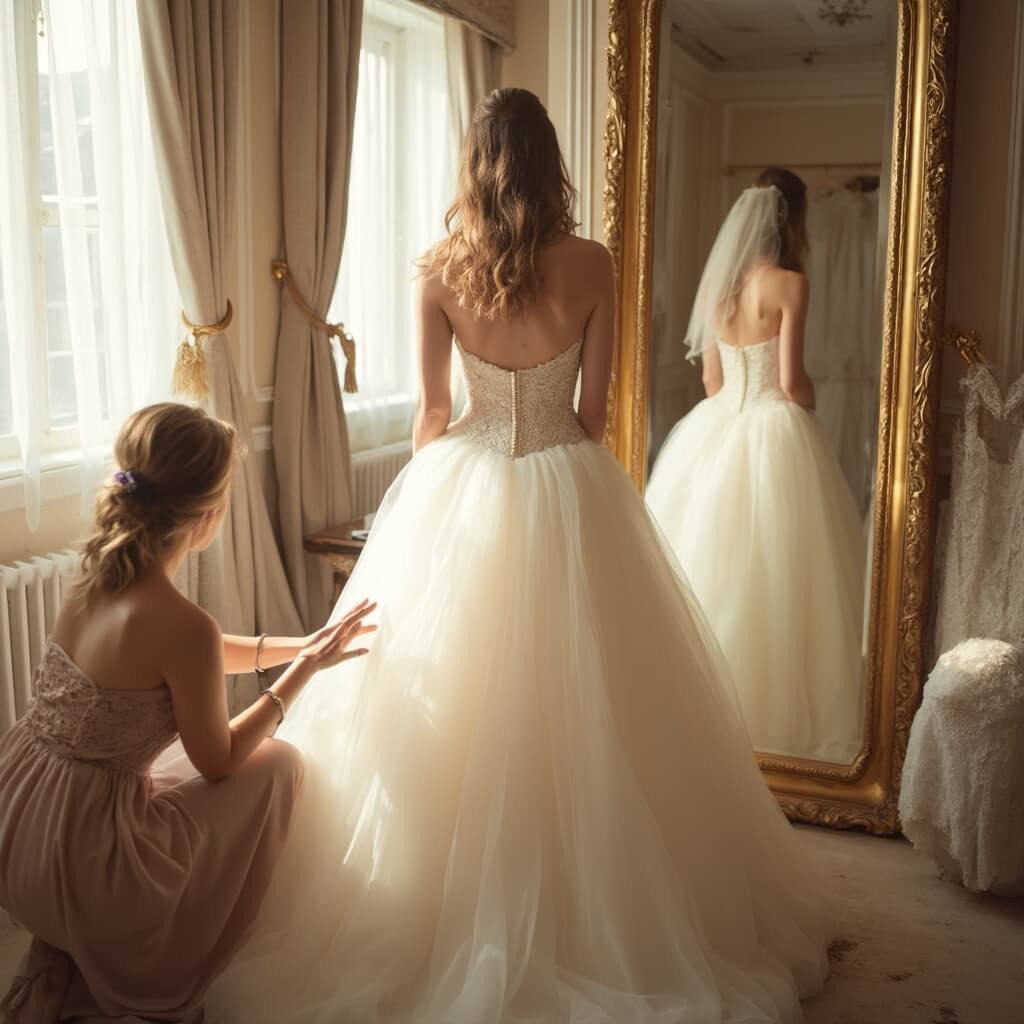
On the classic side you’ve got heritage construction: corsetry, basque waists, vintage-inspired lace, the kind of long sleeves and higher necklines that read as sophisticated rather than fussy. These elements carry a regal, historical weight that no amount of embellishment can fake. A well-made corset bodice does more for a silhouette than a kilo of beading ever will.
Then you layer in restraint from the present day. A subtle illusion detail. A detachable overskirt. A statement veil that does the heavy lifting so the gown itself can stay quiet. The trick is to let the classic shape lead and the modern touch follow — never the reverse.
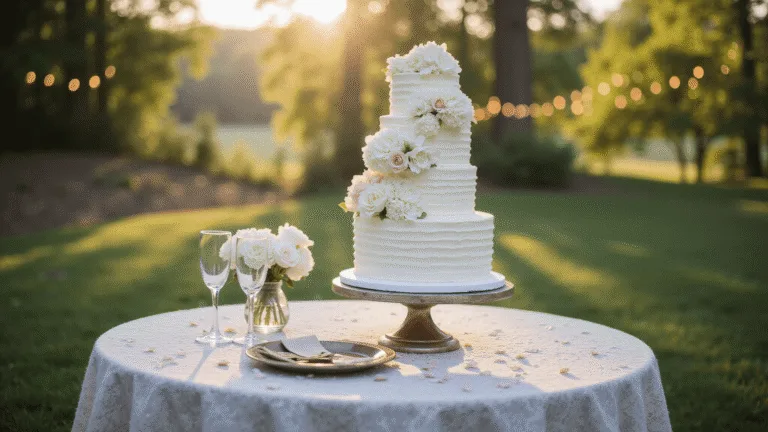
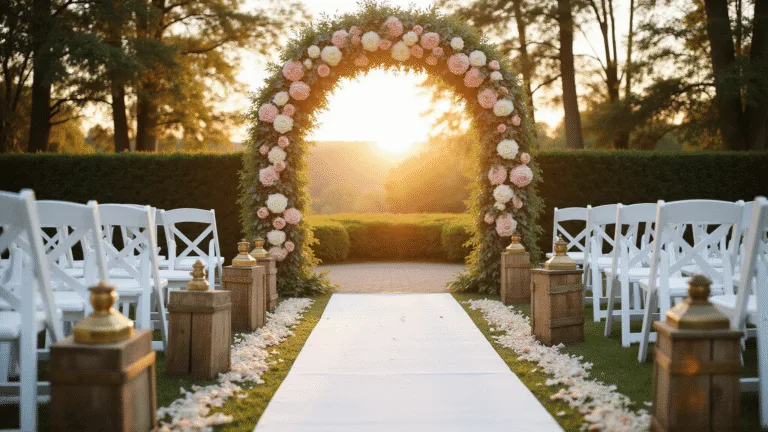
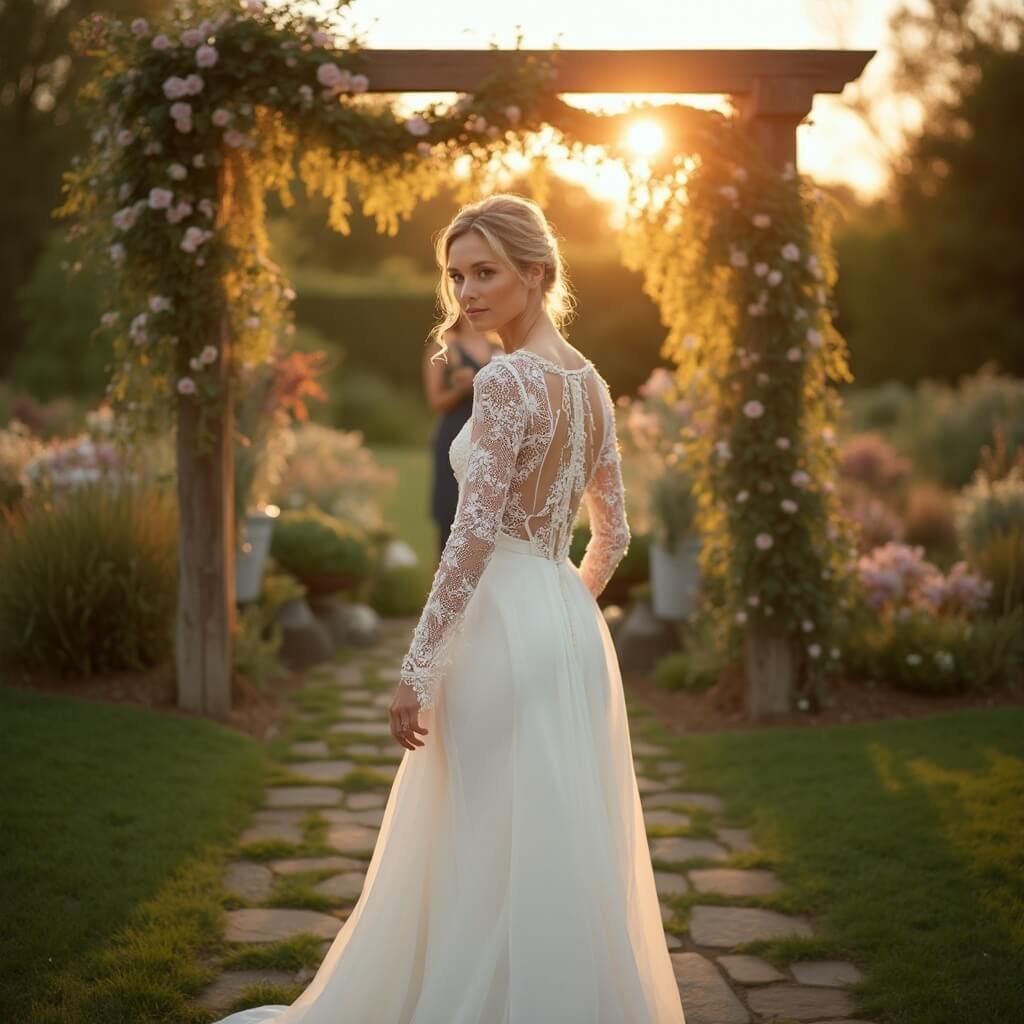
I remember a bride a couple of summers back who arrived at her rehearsal in a plain A-line for practicality, and mentioned almost apologetically that her actual dress had detachable sleeves. It was a warm evening, the light was going gold across the garden, and she was fretting that the sleeves might feel “too much” for the ceremony and “not enough” for the reception. We talked it through by the arbour while the florist packed up. The answer was obvious once she said it aloud: sleeves on for the vows, off for the dancing. One dress, two moods, and nothing about the core gown that she’d wince at in a decade. That’s the modular approach working exactly as it should.
The characteristics that hold up
If I had to boil it down to what timeless dresses have in common, it’s two things: understatement and quality.
Understated doesn’t mean plain. It means the design isn’t shouting a theme at you. Minimalist gowns with clean lines and subtle detailing tend to age better than anything overtly of-a-moment. The overly embellished, hyper-specific dress — the one built around a single trend — is the one that dates fastest.
And then there’s craftsmanship, which matters more than almost anything else and gets talked about least. Luxurious fabrics that drape well and hold their shape — silk, satin, crepe, mikado, good lace, proper tulle — will always look better in photographs than cheaper cloth pretending to be them. Add fine tailoring, a structured bodice, well-finished seams, and you’ve got a dress that keeps its form through a long day and through years in storage. Fabric and construction are where I’d spend the money, every time.
Silhouettes worth knowing
Four shapes account for the vast majority of timeless gowns, and it’s worth understanding what each one does before you set foot in a boutique.
- Ball gown — full skirt, defined bodice, maximum drama. The “princess” choice, and a genuinely classic one. Just be honest with yourself about moving in it all day.
- A-line — fitted bodice flaring gradually to the hem. The most universally flattering shape there is, and endlessly adaptable to different fabrics and necklines. If you’re unsure, start here.
- Sheath or column — a slim, elongated line with minimal flare. Sleek, modern, quietly elegant. Wonderful on a statuesque frame and perfect for anyone drawn to minimalism.
- Fit-and-flare and basque or drop waists — subtle hourglass definition with a historic charm that’s had a strong revival lately.
None of these is more “correct” than the others. The A-line just happens to forgive the most, which is why it turns up so often.
Necklines and sleeves that don’t date
Certain necklines reappear in every generation of collections, which is as good a sign of timelessness as you’ll find. Bateau or boat necks, square necks, scoops, and modest cuts all frame the face without drawing attention to a passing fashion. Sweetheart and off-the-shoulder necklines cycle back around as romantic staples too — they’ve never really left.
Sleeves are having a genuine moment, and I’m pleased about it. Long lace or crepe sleeves bring elegance and coverage and lean nicely into vintage inspiration, while sheer or illusion sleeves add softness without weight. If you’ve been told sleeves are old-fashioned, ignore that. They’re one of the most quietly modern choices a bride can make right now, and they photograph beautifully in almost any light.
Explore more about wedding dress styles and plus size wedding dresses to find the perfect timeless gown for your special day.
Fabric, Colour, and the Question of Length
Fabric does more work than most brides expect when they walk into a fitting room for the first time. Satin, silk, crepe, and mikado give you that smooth, almost architectural quality — a gown that holds a clean line rather than collapsing into it. Tulle and organza do the opposite job well: volume, movement, romance, the sort of skirt that catches air when you turn. Neither is better. They’re suited to different silhouettes and different brides.
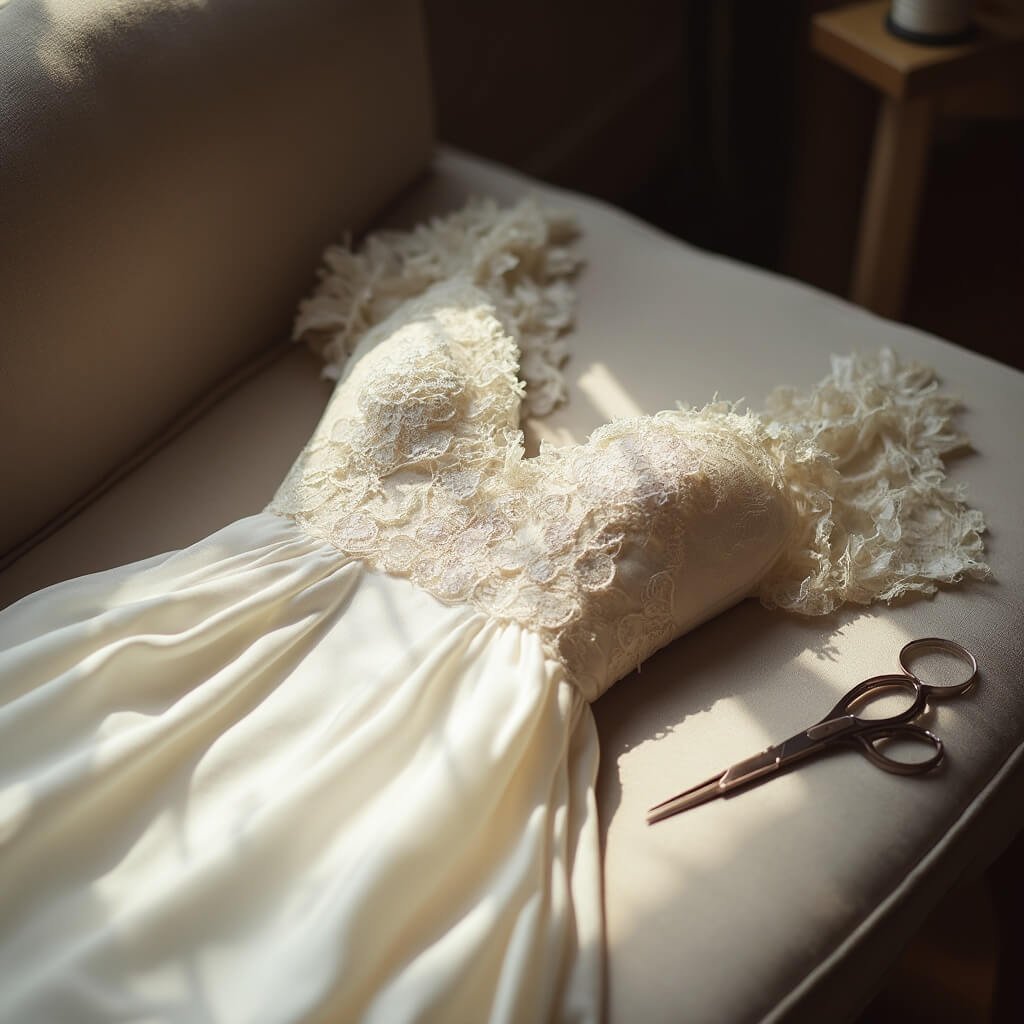
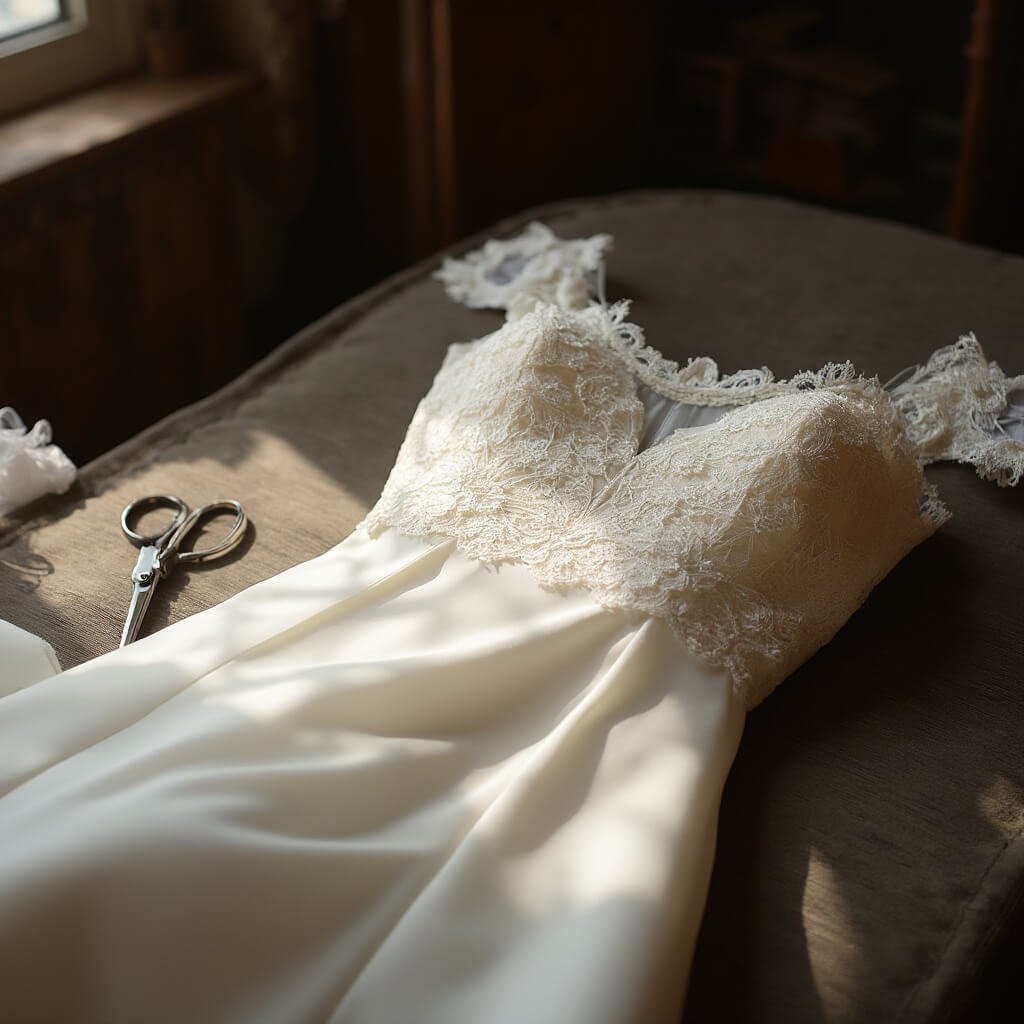
Lace deserves its own mention, because it’s the fabric people assume is automatically timeless and it isn’t. Traditional lace still works, but it works best updated — 3D florals, embroidery, hand-painted textiles that give texture without tipping into heavy beading. Pearls and delicate appliqués have the same rule attached: used sparingly, they read as refined; piled on, they read as a specific year at a specific bridal fair. I’ve seen dresses ruined by good intentions and too much beadwork.
Save this article
Enter your email and we'll send it straight to your inbox.
Colour is simpler than people make it. Ivory, off-white, and cream remain the most timeless choices going, largely because they’re the colours we associate with bridalwear in the first place — nothing to decode, nothing to date. That said, soft pastels and small colour-pop details, a buttermilk yellow underlay or a thread of blue in the embroidery, can be worked in carefully without derailing the overall effect. The line gets crossed when the colour becomes the point of the dress rather than a detail within it.
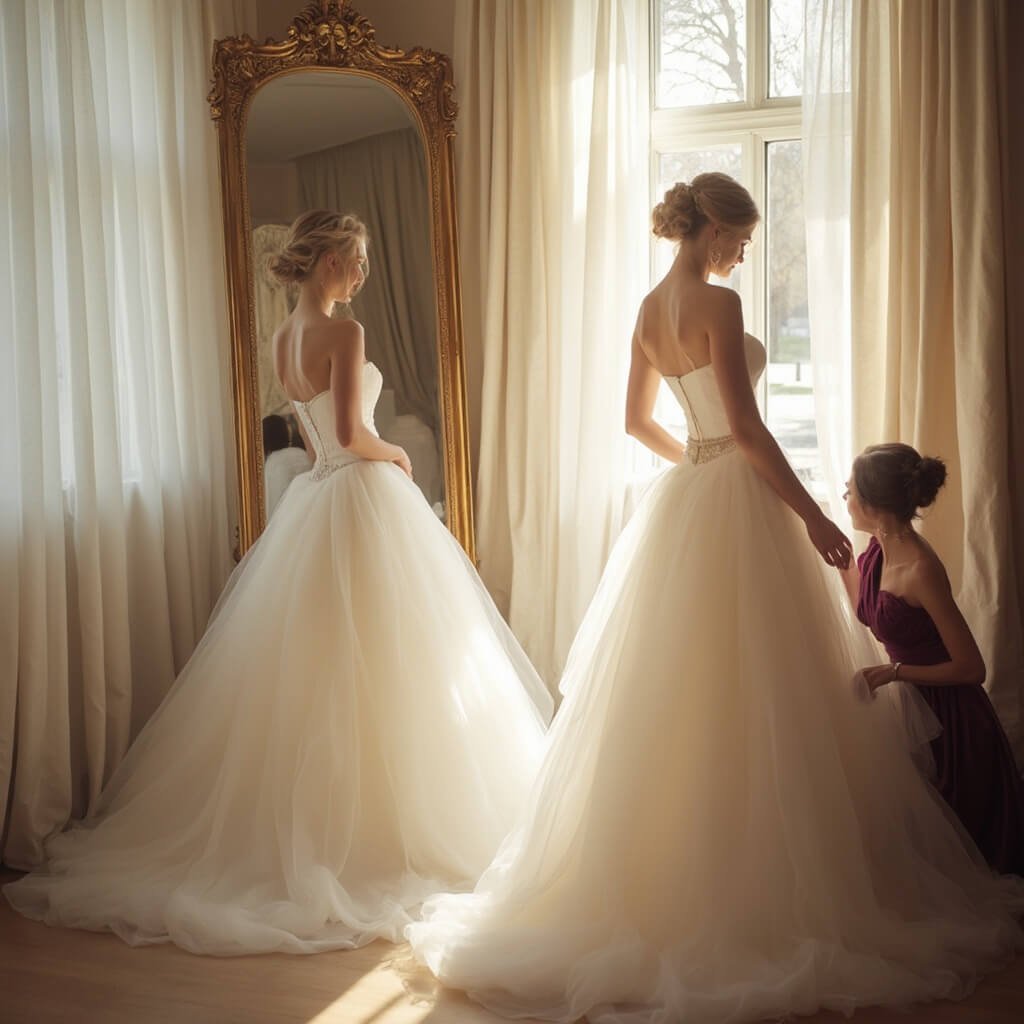
Length follows a similar logic. Floor-length remains the default for a reason, and if you want the most classic photographs, that’s where you’ll land — though do think seriously about train length relative to your venue, because a cathedral train in a marquee with sixty guests is its own kind of chaos. Short and tea-length dresses have earned a proper place at the table too, especially when built on vintage-inspired shapes in good fabric. A well-cut tea-length gown in silk crepe doesn’t read as casual; it reads as confident. And practically speaking, it’s the one you’re most likely to wear again.
What 2025 and 2026 Are Actually Doing With All This
Bridal fashion right now is in an interesting position — leaning hard into minimalism on one hand and vintage revival on the other, and somehow both currents feel timeless rather than trend-driven.
The minimalist end shows up as sleek column and A-line gowns in smooth fabric with almost nothing on them, styled with simple hair and a single strand of pearls. It’s confidence through restraint, and it photographs extraordinarily well because there’s nothing in the frame to distract from the bride herself. Alongside it, waist-focused design has come back strongly — drop waists, basque waists, corset bodices — all doing the work of shaping the body while keeping the overall silhouette clean rather than fussy.
Running in parallel is a genuine vintage revival. Nods to the 1920s and 1950s — a dropped waist here, a controlled flourish of embellishment there — done with enough restraint that they read as heritage rather than costume. Upcycled and reworked vintage gowns fit into this too, and I think they’re some of the most interesting dresses being made at the moment, because they arrive with a history already built in.
There’s also a softer, garden-party strand of romance running through current collections — airy fabrics, flowing skirts, delicate floral detailing that leans toward nature rather than drama. And accessories have become where a lot of the personality now lives: cathedral and mantilla veils, dramatic statement veils that do the visual work a busier dress used to do, or bridal neck scarves and chiffon scarves as a genuinely modern alternative that still feels appropriately formal. Structural, almost architectural elements — a sculpted sleeve, a crisp structured bodice — are being used to elevate classic shapes rather than replace them, which is exactly the right way round.
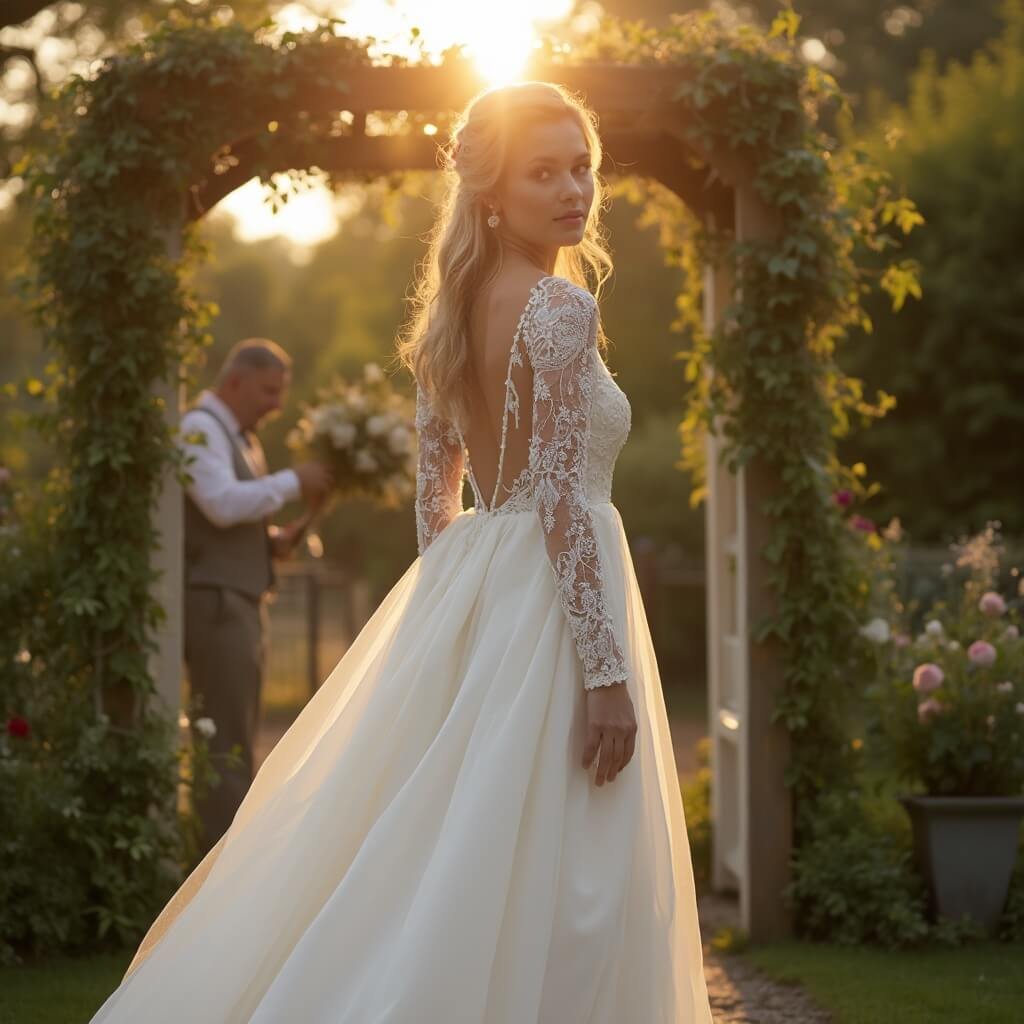
The other real shift is toward versatility. Bridal separates and matching sets, a skirt paired with a corseted top, are being chosen partly for how they photograph and partly because they can be restyled afterwards — worn as separates to another event entirely. Detachable overskirts, sleeves, and capes let a bride have a dramatic ceremony moment and a simpler reception look from the same core gown, which brings us back to that bride in the garden with her sleeves coming off for the dancing. That instinct has essentially become a trend in its own right.
Classic Wedding Dresses That Never Go Out of Style
Choosing for Your Body, Your Venue, and Your Actual Day
All the theory in the world doesn’t help much if the dress doesn’t suit where you’re standing and who you are. A-line remains the safest recommendation for a reason — it flatters an enormous range of body types. Ball gowns bring drama but ask more of you physically; I always tell brides to sit down in one before they commit, properly sit, in the kind of chair they’ll be using at the reception, because some sample rooms only let you stand in front of a mirror and that tells you nothing about hour six of the evening. Sheath dresses reward a taller or more statuesque frame and can be unforgiving if you’re not fond of close tailoring.
Venue and season matter more than most people budget time for. A heavy mikado ball gown in a marquee in July is a genuine endurance test. Lighter fabrics and shorter sleeve lengths make sense for outdoor or warm-weather weddings, not as a style compromise but as basic comfort. Conversely, a barn wedding in November is exactly where a long-sleeved lace gown with a bit of structure earns its keep.
Comfort and movement deserve more attention than they get. Can you dance in it? Can you sit down for a three-course meal without the boning digging in? Structured gowns and corseted styles look wonderful in photos but need trying on for real, moving as you actually will move, not just posing. And think about longevity of the materials themselves — fabrics that resist creasing and hold their structure will look better in your photos at 6pm than they did at 11am, and they’ll still look right when you unbox the dress for preservation years later.
Sustainability has quietly become part of the timeless conversation too, and I think that’s a good development rather than a marketing angle. Organic cotton, recycled fabrics, and biodegradable silks are showing up in more bridal collections, and vintage, pre-loved, or upcycled dresses — including reworked heirloom gowns — are a genuinely lovely way to get timeless style with a story already attached, often for considerably less money.
10 Timeless Classic Wedding Dress Styles That Never Go Out of Fashion
The Trade-Off Nobody Quite Admits To
Here’s the bit worth being honest about: a strictly timeless dress has real advantages, but it isn’t free of downsides. The advantage is obvious — it stays elegant in photographs for decades, it’s easier to preserve or hand down, and you’ll never wince looking back at it the way you might at something built entirely around this year’s fashion moment. The cost is that some brides feel constrained by it, or worry the result looks too safe when what they actually wanted was one properly fashion-forward statement.
The fix I recommend most often is simple: start with a timeless silhouette and add one or two trend-driven accents on top — a statement veil, a flash of colour, a sculptural sleeve — ideally in a form you can remove. Wear a bolder reception outfit if the ceremony gown needs to stay traditional for family reasons. Personalise quietly instead of loudly: embroidered initials worked into the lace, a meaningful motif stitched somewhere only you know about, jewellery and gloves that speak to your taste without altering the dress itself. You get the timeless quality and the individuality, and neither one cancels the other out.
If you’re standing in a fitting room right now trying to decide, my actual advice is this: pick the silhouette first, on comfort and body more than trend, spend whatever budget you have on fabric and construction rather than embellishment, and let accessories carry whatever personality or fashion statement you’re worried the dress itself isn’t making. A genuinely timeless wedding dress isn’t the boldest thing in the room — it’s the thing that still looks exactly right when someone opens the box in thirty years.
wedding dresses
petite wedding dress
mermaid wedding dress with sleeves
non-traditional wedding dresses
green wedding dress
Want to keep this one?
We'll email you the link so you can find it again later.