Planning Your Wedding Decor — Where to Start and What Actually Matters
Wedding decor is usually the part of planning that couples either overthink or leave until it’s a panic three weeks out. Both are a mistake. I’ve stood at the back of enough ceremonies to tell you that the room doesn’t need to be full of stuff — it needs a clear idea holding it together. So before you save a single Pinterest image or ring a florist, spend an evening deciding what the day should feel like. That one decision saves you money, time, and a lot of second-guessing later.
Get the mood right before anything else
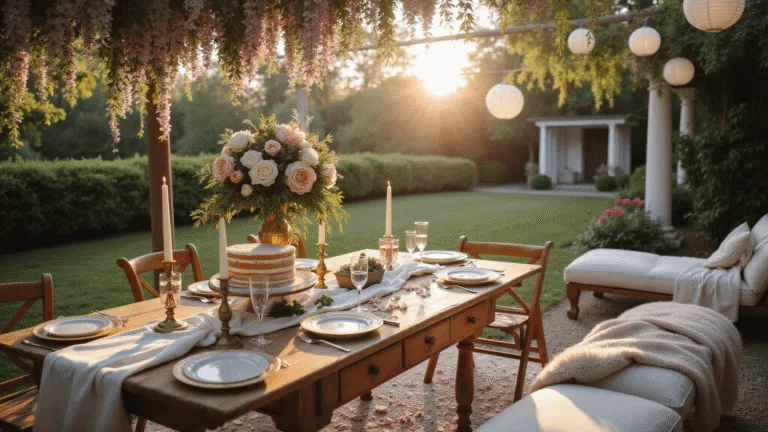
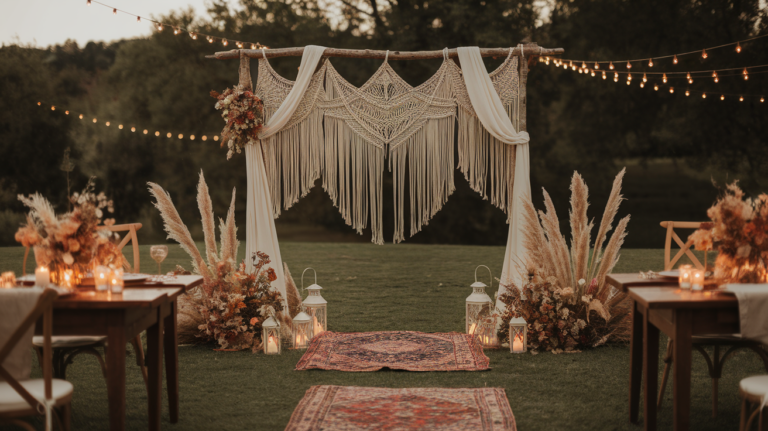
I’d start with mood, not colour, not flowers, not that arch you already screenshotted. Are you after something romantic and soft? Sharp and modern? Rustic in a genuine way, or rustic in the “we hung fairy lights in a barn” way that everyone’s now seen a hundred times? Pick a feeling first and let the details answer to it.
A lot of the 2026 design guidance talks about treating a wedding as a curated event with one clear aesthetic narrative rather than a scattering of nice bits. I think that’s mostly right, though I’d add a warning: “curated” can tip into stiff. A room that’s too controlled photographs beautifully and feels like a showroom. Leave a little air in it.
Once you know the mood, name your theme or style — classic, meadowcore, supper-club, destination, whatever fits you. Themes like Bridgerton-inspired or venue-led storytelling are popular precisely because they give you a spine to build from. You don’t have to commit to a rigid concept. You just need enough of a through-line that a guest walking in reads the day as yours and not a rental catalogue.
Then build a mood board. Colours, textures, fabric swatches, a couple of florals, reference photos. This is the single most useful thing you can make, because it turns vague ideas into something a supplier can actually price and produce. Show it to your florist and your stylist and you’ll skip three rounds of “no, not quite that.”
Colour and materials — pick a palette that suits the room, not the trend
Choose a primary palette that works with your season and your venue. Complementary colours or tonal variations give you depth without turning the whole thing into a rainbow. A word of caution here: I’ve seen couples fall in love with a palette that fights their venue’s carpet, wallpaper, or those enormous gold curtains nobody can remove. Look at the room first.
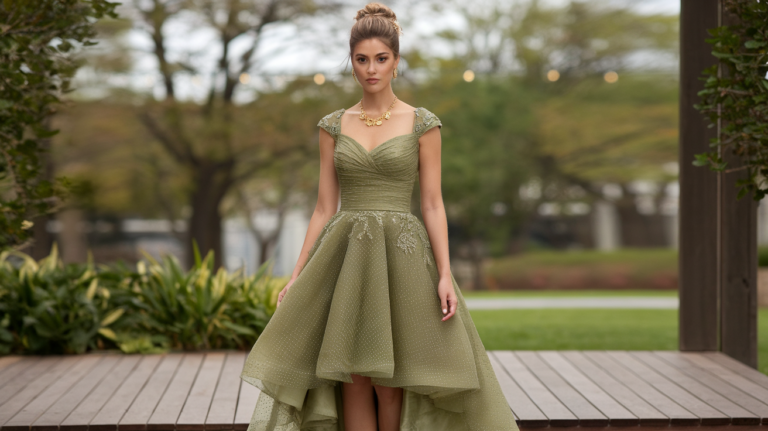
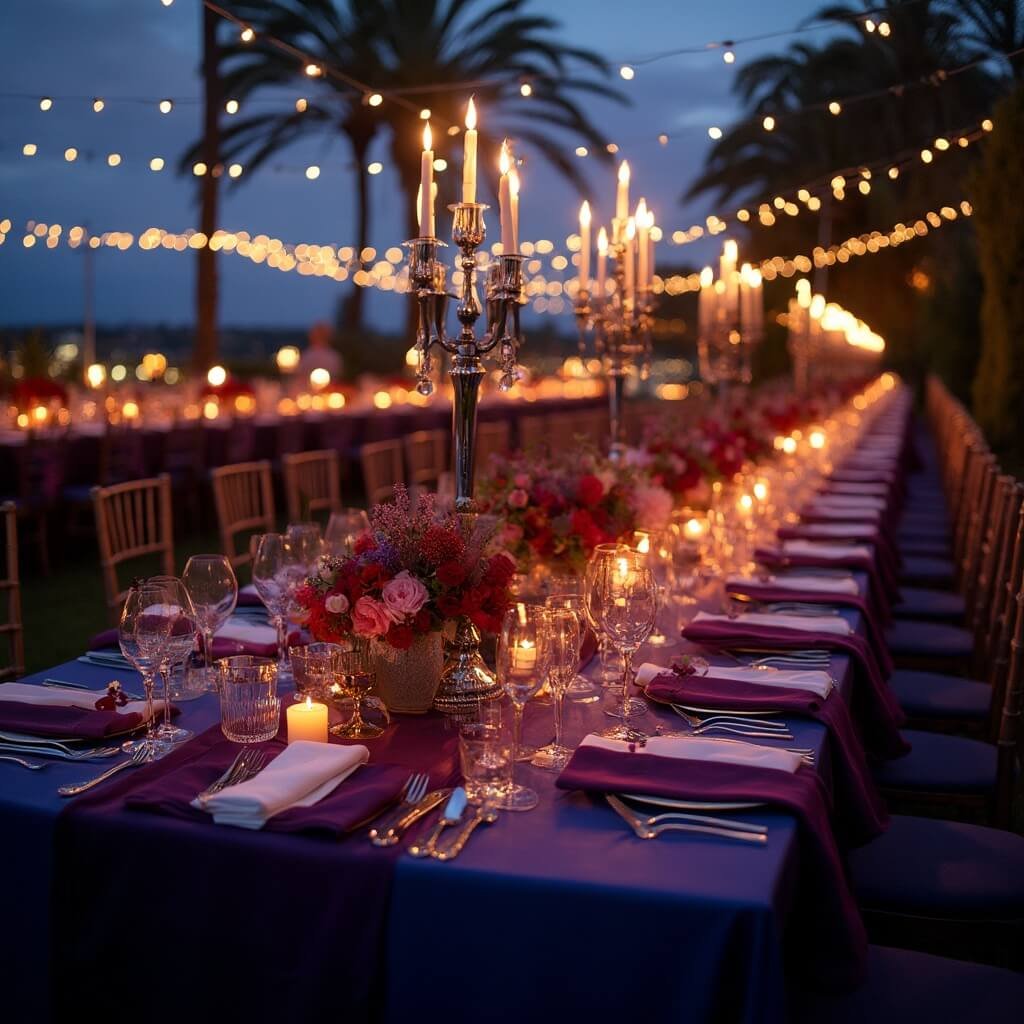
If you want to nod to what’s current, 2026 is leaning into bold jewel tones and rich monochromes — midnight blue, deep orange, chartreuse, fuchsia. Energetic, confident colour rather than the endless dusty pinks of the last decade. And on metals, silver and chrome are quietly overtaking the warm golds and brass we’ve all been staring at. I like this shift. Chrome reads modern and clean, and it stops candlelight from looking quite so predictable. That said — if warm gold suits your dress, your rings, and your grandmother’s candelabra, ignore the trend and keep it.
Spend the money where people actually look
Here’s my strongest opinion in this whole article: do not spread your decor budget evenly across the day. It’s the most common mistake I see, and it always produces a room that’s fine everywhere and memorable nowhere.
Put your money into the moments people actually stop and look at:
- The ceremony backdrop — it’s behind you in every single photo of the vows
- The entrance — first impression, and it sets the tone before anyone sits down
- The sweetheart or head table — the room’s visual anchor
- Reception lighting — the thing that makes everything else look expensive or cheap
The rest can be simpler than you think. Nobody remembers the napkin fold at table nine.
To keep costs sensible, rent rather than buy anything you’ll use once — chargers, candelabras, arches, lounge furniture. There’s no reason to own an arch. Choose in-season, locally grown flowers and let greenery do the filling; foliage is far cheaper than stems and looks generous. And reuse your arrangements — the florals on your ceremony arch can be lifted and moved to the sweetheart table or the bar during cocktail hour. Your florist can plan for this if you ask, and most are happy to. Just build it into the timeline so someone’s actually assigned to move them.
Walk the venue at the right time of day
Study the space you’ve booked before you decide how to dress it. Look at the architecture, the existing decor, the layout — and work with it rather than against it. If the room has beautiful bones, don’t bury them.
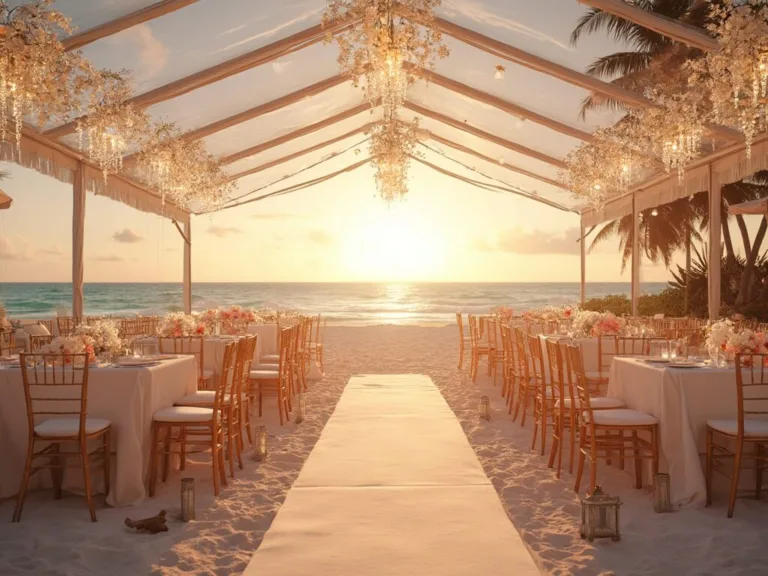
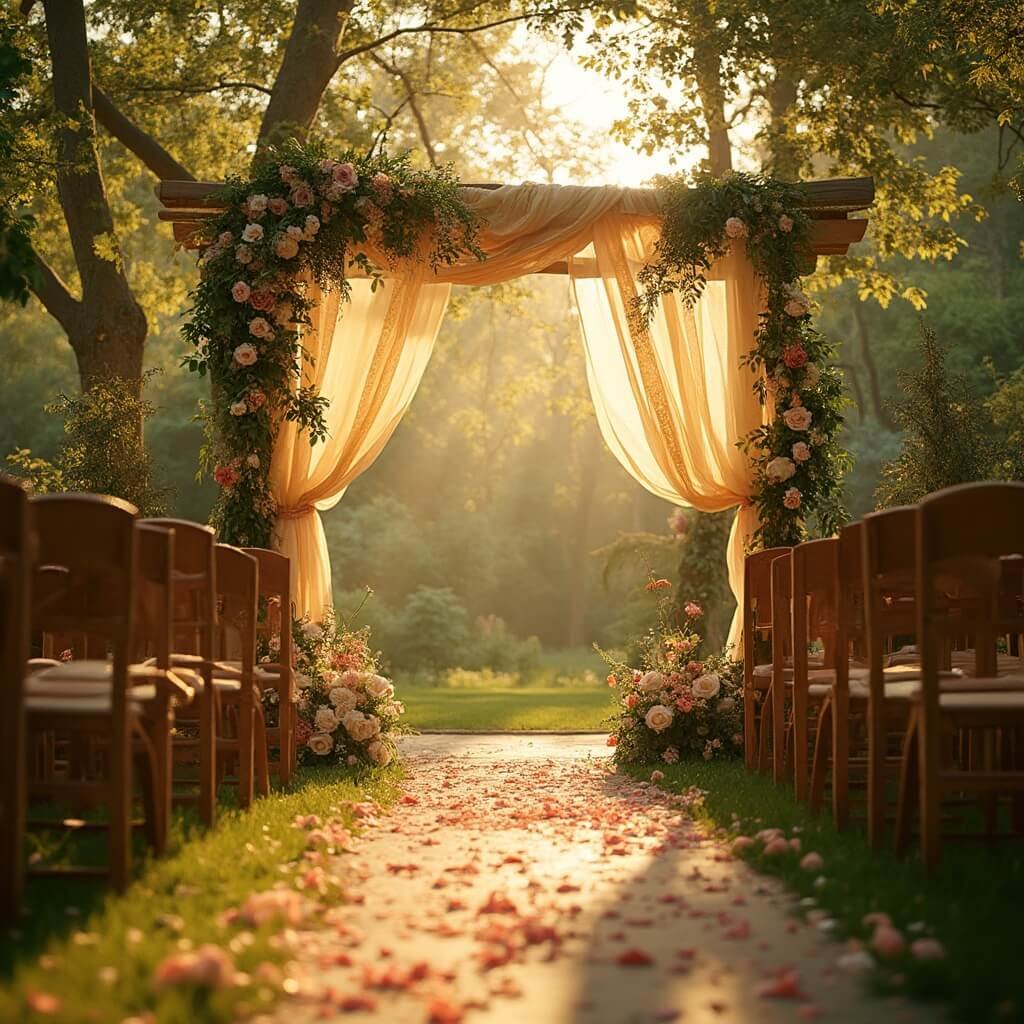
Then walk it at the same time of day your event will happen. This matters more than people realise. Morning light and late-afternoon light do completely different things to a room, and an outdoor ceremony at 2pm in June is a glare problem waiting to happen.
I’ll give you a specific example. A couple booked me for a garden ceremony a few summers back, and at the rehearsal — held at ten in the morning, because that’s when the venue was free — the spot looked perfect. Dappled shade, soft light behind the arch. Lovely. But the actual ceremony was at half past three, and by then the sun had swung right round and was blasting straight into the guests’ eyes and washing out the whole floral backdrop in every photo. We shifted the arch about four metres at the last minute and reangled the seating. It worked, but only just, and only because we happened to notice in time. Walk it at the real hour.
While you’re there, sort the practical questions: where are the power sources, can you hang anything from the ceiling, are candles allowed, is confetti banned, are there rules about drilling or fixing installations? Venues have opinions on all of this, and finding out on the day is too late.
Build a timeline and get your suppliers talking
Decor has its own rough timeline sitting inside the wider planning schedule. Concept and mood board around 12 to 18 months out, then booking your key vendors — florist, stylist, rental company — well ahead of peak dates. Confirm rentals in the middle stretch, and leave the fiddly styling decisions for closer to the day, when you actually know your final numbers.
The part people skip is getting everyone working from the same plan. Your planner, florist, rental company, and venue stylist should all be looking at the same mood board and the same checklist. Share it. Suppliers are far better when they can see the whole picture rather than their one slice of it, and it stops the day turning up looking like four different weddings stitched together.
A room-by-room decor checklist
Once the foundations are set, it’s easier to think about decor as a series of spaces rather than one enormous list. Start where the day starts.
Getting-ready spaces
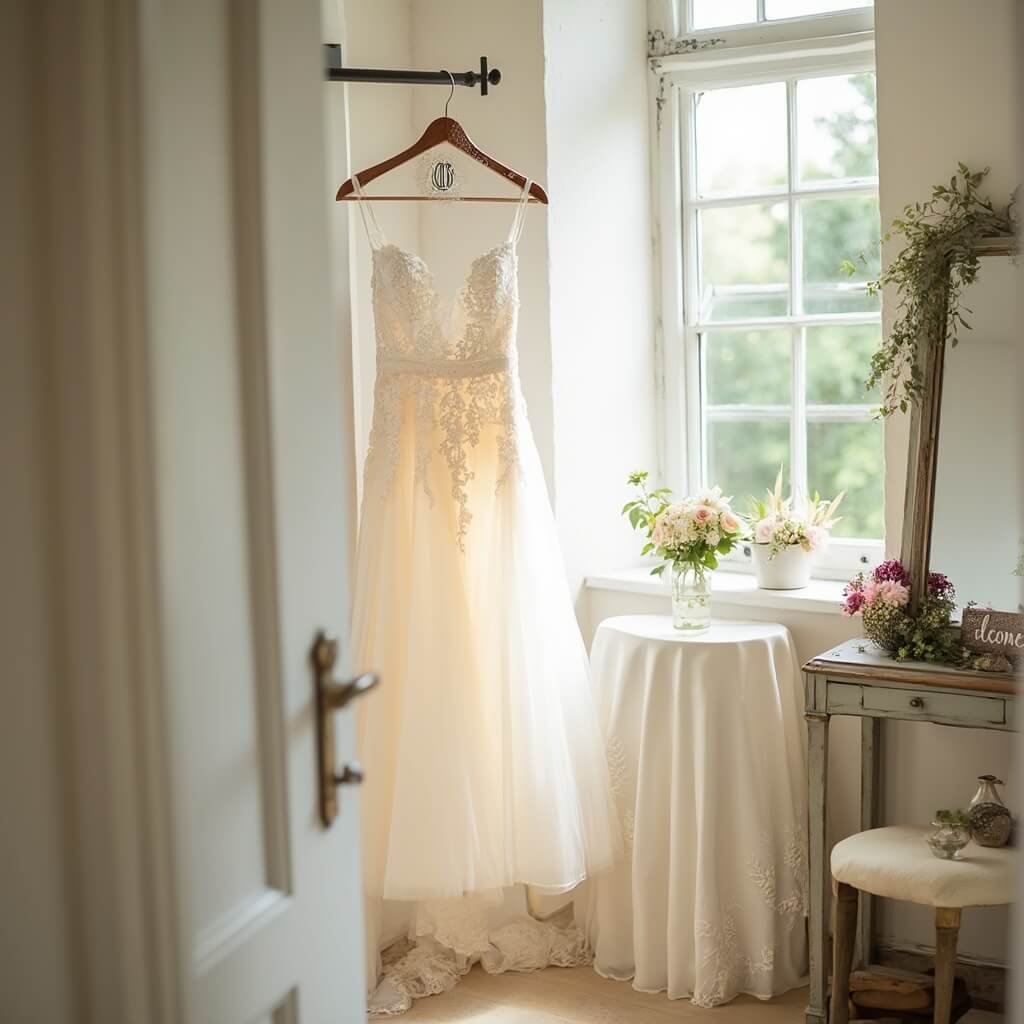
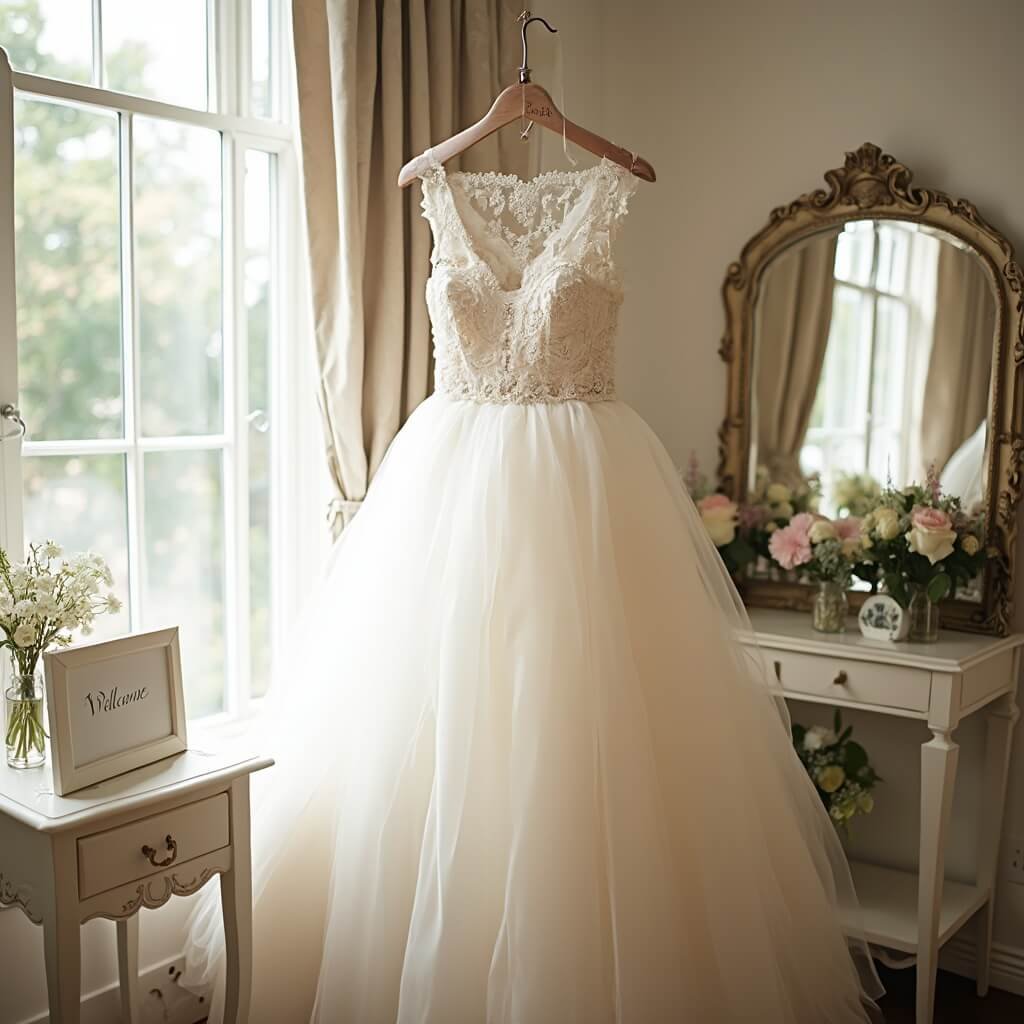
Treat the bridal suite or the groom’s lounge as its own small venue. It’s where some of the most intimate photos of the morning get taken, and a cluttered room full of open suitcases ruins them. Keep it light and simple — a few florals, a good mirror, personalised hangers, a tidily styled garment rack, maybe a small monogram or sign. It takes ten minutes and it earns its place in the album.
Ceremony decor
This is the part I care about most, for obvious reasons — it’s the bit I’m standing in. Break it into layers.
Entry and welcome elements come first: a welcome sign, a framed seating chart or a welcome mirror, an order-of-events sign, and — please — an unplugged ceremony notice if you want one. Tell people to put their phones away with a sign at the entrance rather than relying on me to announce it, though I’m glad to do both.
For guest seating, decide on chair style and arrangement together, because they interact. Wooden chairs, ghost chairs, or a deliberate mix all read differently. So does the layout — traditional rows, inward-facing seating that turns the guests toward each other, or a serpentine aisle that curves. Inward-facing is underrated and I’d happily see more of it; it makes the whole thing feel like a gathering rather than a performance.
Then the aisle itself — a runner if you want one, markers down the sides like florals, lanterns or petals, and clear reserved-seating signs so the front rows don’t get colonised by early arrivals.
Save this article
Enter your email and we'll send it straight to your inbox.
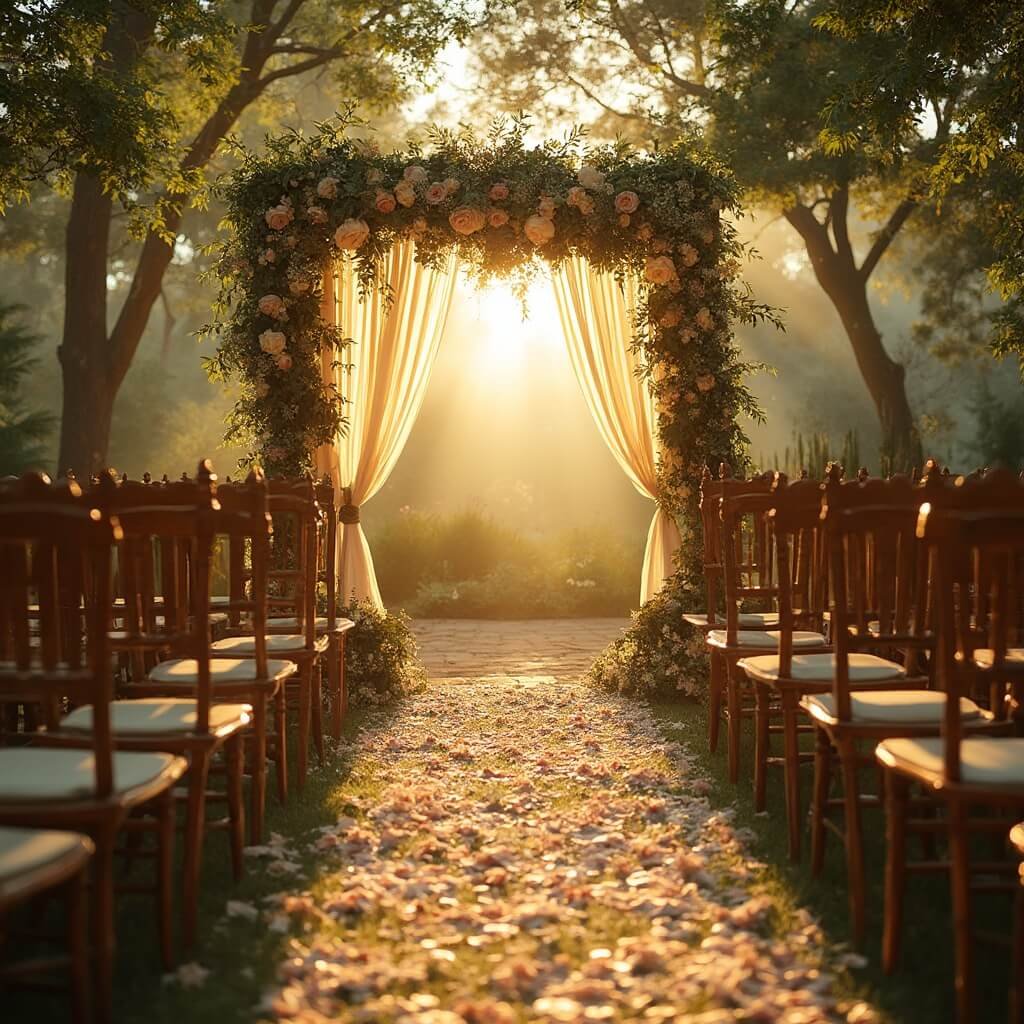
The backdrop or altar is your money shot, so this is where the earlier advice about high-impact spending pays off. Floral arches, geometric frames, greenery walls, sheer curtains threaded with fairy lights, painted murals, sculptural florals — the options are wide. Whatever you choose, remember what I said about the sun.
And don’t forget the functional pieces: vow books if you’re reading from them, a ceremony table for any unity ritual or the signing, and somewhere to display the order of events. These small things matter in creating a cohesive and memorable wedding day.
Wedding Decor Ideas
Wedding Decor Inspiration
👇Shop the Look Here👇
Cocktail Hour Deserves More Thought Than It Gets
Cocktail hour is often where couples run out of decor budget and enthusiasm, which is unfortunate because it’s the first properly social part of the day. Dress the bar itself — the front facade and the back bar shelving — with a few florals, some signage, a bit of light. A styled bar not only photographs well but also encourages guests to order a drink, which is the whole point of the hour.
Put up a signature drink sign and a small food menu if you’re doing canapés or a grazing station. Cocktail tables want linens, a small arrangement, and maybe a candle — nothing that interferes with someone holding a glass and a canapé napkin simultaneously. If you’re planning lawn games or an activity station, style it properly with signage and coordinated props to enhance the experience.
Reception Decor — This Is Where Most of the Budget Lives, and Rightly So
The reception is the longest part, so it requires the most planning and restraint in equal measure.
Start with the entrance and the focal points. Your escort card or seating chart display is among the first things guests see, so make it eye-catching — perhaps an oversized board or fabric signage. Then there’s the statement wall or photo backdrop, which has evolved over the years with floral walls, disco elements, fringe curtains, or fabric tunnels.
Dining tables are the bulk of the visual work. Linens, runners, napkins, chargers, and more should create a cohesive look. I encourage a bit of mixing — different heights and styles can make a room look well-considered rather than templated.
Your sweetheart or head table deserves extra attention as it’s the visual anchor of the room. Include bigger florals, distinctive linens, and possibly a small backdrop.
Don’t forget smaller zones like the cake and dessert area, the guest book and gift table, and the dance floor and lounge. These areas need lighting, hanging decor, and perhaps a disco ball to enhance the atmosphere.
Don’t Forget the Exit
The send-off often gets planned last minute. If you’re using sparklers, ribbon wands, or biodegradable confetti, ensure they’re displayed intentionally. A late-night snack station should match the day’s visual language rather than looking like an afterthought.
The Core Building Blocks: Florals, Fabric, Light, Furniture, and Paper
Underpinning all these spaces are the same five essential elements.
Florals play a significant role, from arches and centerpieces to bar arrangements. Repurposing floral arrangements can help manage costs.
Fabric and texture are increasingly important. Mixed textures on linens and exaggerated draping across ceilings and walls give a room movement. Serpentine table layouts can add shape and interest.
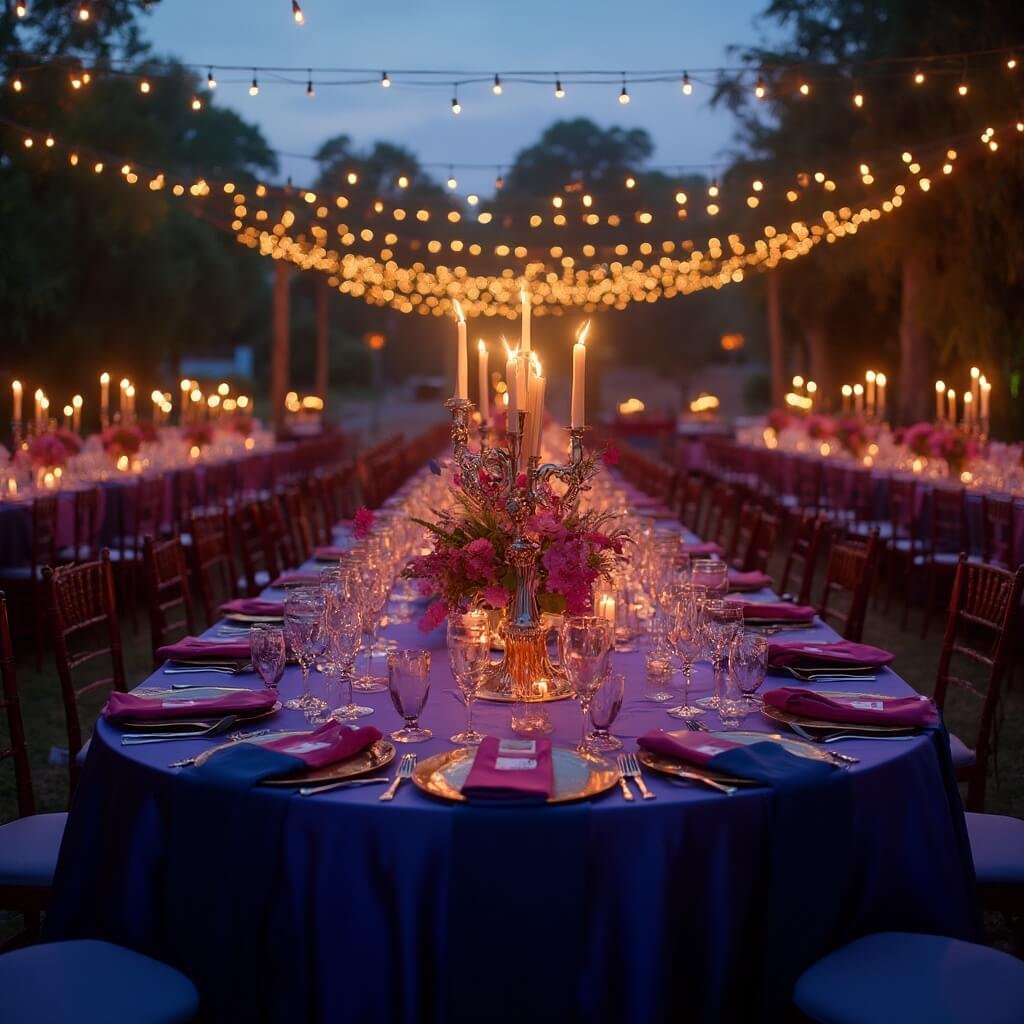
Lighting should be treated as decor. Consider floating chandeliers, hanging lantern clusters, and candle clusters for added warmth.
Furniture sets the tone. The style of tables and chairs can drastically alter the room’s vibe. Proper lounge furniture provides comfortable seating space for guests.
Signage is a cost-effective way to personalize the event. Opt for fabric banners and personalized menus and place cards.
What I’d Actually Tell a Couple Starting from Scratch
If there’s one takeaway, it’s this: decide the feeling first, spend unevenly, and check the light before committing to a backdrop spot. Everything else is detail and can be adjusted once those key aspects are settled. Effective wedding decor isn’t about abundance; it’s about knowing which moments deserve the money and attention and allowing the rest of the room to support them.
For more insights, refer to this Wedding Decor Checklist and How to Nail Every Detail.
👇Shop the Look here 👇
Want to keep this one?
We'll email you the link so you can find it again later.