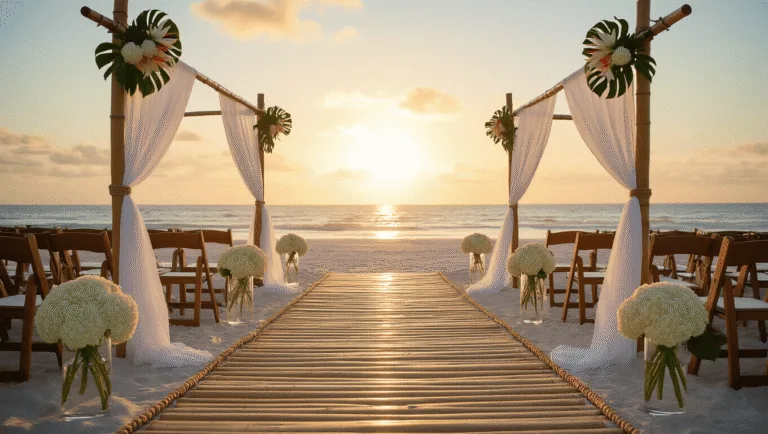
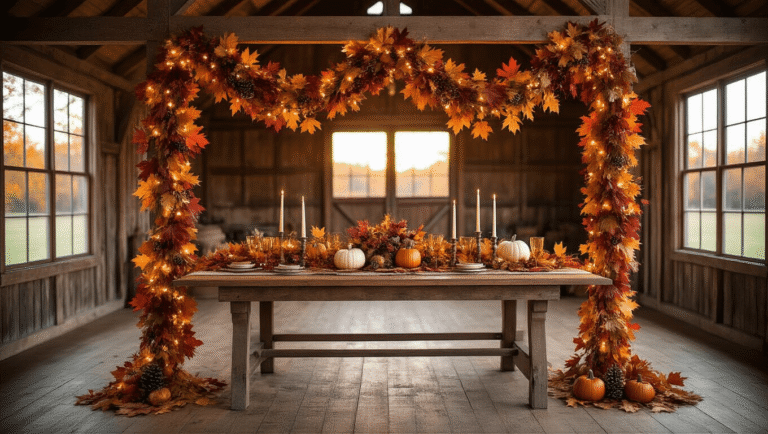
Your Ultimate Guide to Outdoor Wedding Lighting That’ll Make Your Guests Gasp
Your Ultimate Guide to Outdoor Wedding Lighting That’ll Make Your Guests Gasp
Outdoor wedding lighting transforms ordinary spaces into absolute magic – and I’m about to show you exactly how to pull it off without losing your mind or your budget.
Let me guess what’s keeping you up at night: Will the lights actually work when it matters?
How many extension cords do normal people need?
What if everything looks like a discount Halloween display instead of romantic wedding bliss?
I’ve been there, standing in my friend’s backyard at 2 AM, untangling what felt like seventeen miles of fairy lights, wondering why Pinterest made this look so effortless.
Here’s the truth nobody tells you: Great outdoor wedding lighting isn’t about having the most expensive setup.
It’s about knowing where to put what, when to turn it on, and how to make it all feel intentional instead of chaotic.
Why Most People Get Outdoor Wedding Lighting Wrong
Most couples make the same three mistakes that turn their dream wedding into a hot mess:
- They wing the power situation – then spend their reception resetting breakers
- They buy random pretty lights – without thinking about how they’ll all look together
- They underestimate setup time – and end up hanging lights in formal wear
I learned this the hard way when my sister asked me to help with her “simple backyard wedding.”
Four hours of ladder climbing and cord management later, I had a system that actually works.
The Real Deal on Budget and Timeline
Let’s talk numbers because pretending this stuff is free helps nobody:
Budget Breakdown:
- Shoestring budget ($150-$500): String lights, candles, basic lanterns
- Sweet spot ($500-$1,500): Edison bulb canopies, path lighting, statement pieces
- Go big or go home ($1,500+): Multiple chandeliers, custom neon, professional installation
Time Reality Check:
- Setup day: 3-6 hours (yes, really)
- Test run: 1-2 hours the night before (non-negotiable)
- Breakdown: 1-2 hours (factor this into your post-wedding timeline)
Essential Gear That Won’t Let You Down
Here’s what you actually need, not what some wedding blog thinks looks pretty:
The Non-Negotiables:
- Outdoor-rated string lights in warm white (2200-3000K)
- Heavy-duty extension cords (more than you think)
- Outdoor power strips with GFCI protection
- Zip ties, S-hooks, and gaffer tape (your new best friends)
- Timer switches or remote controls
The Game Changers:
- Edison bulb market lights for that café vibe
- Mixed-size lanterns in the same color family
- LED candles for windy spots (real candles for calm areas)
- Path lighting that people can actually see
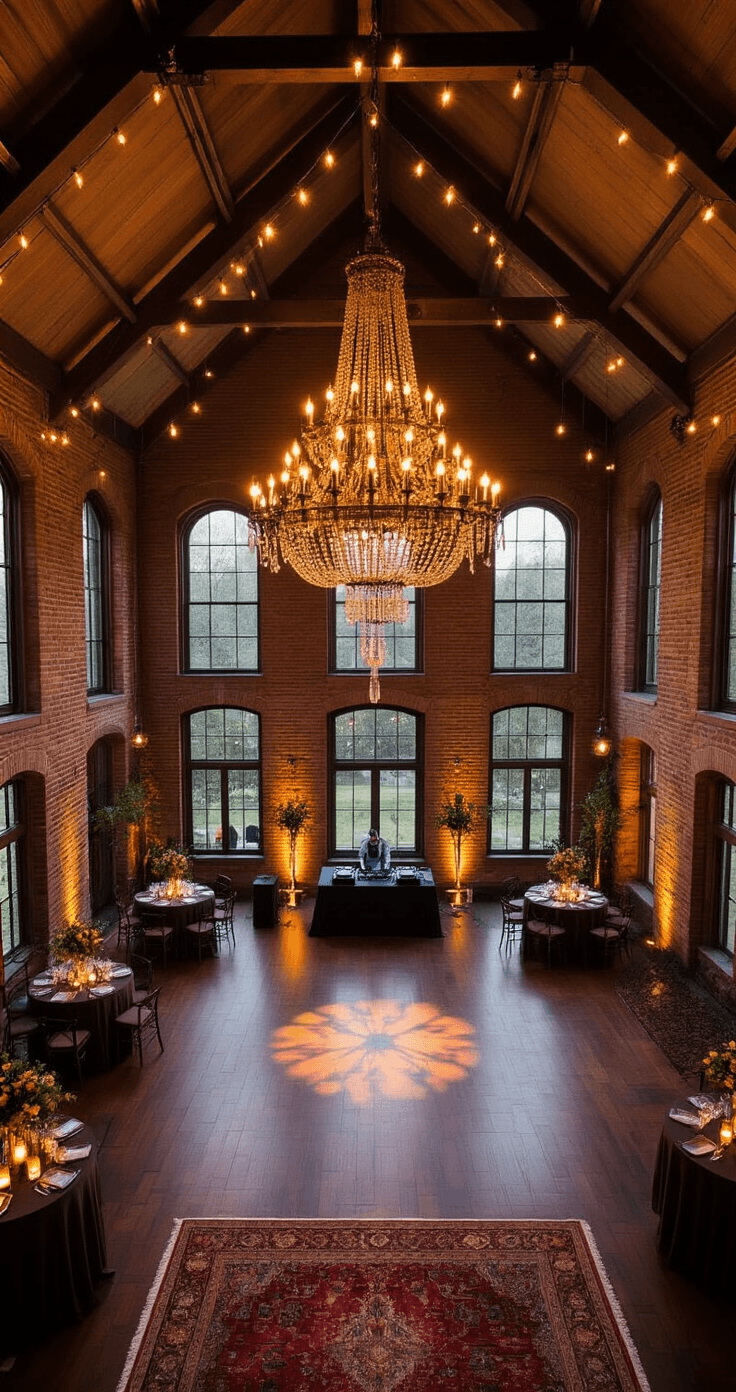
Creating Your Lighting Zones Like a Pro
Think of your space as having four main jobs, each needing different lighting personalities:
Save this article
Enter your email and we'll send it straight to your inbox.
Zone 1: Ceremony Magic
This is your “everyone’s looking here” moment.
What Works:
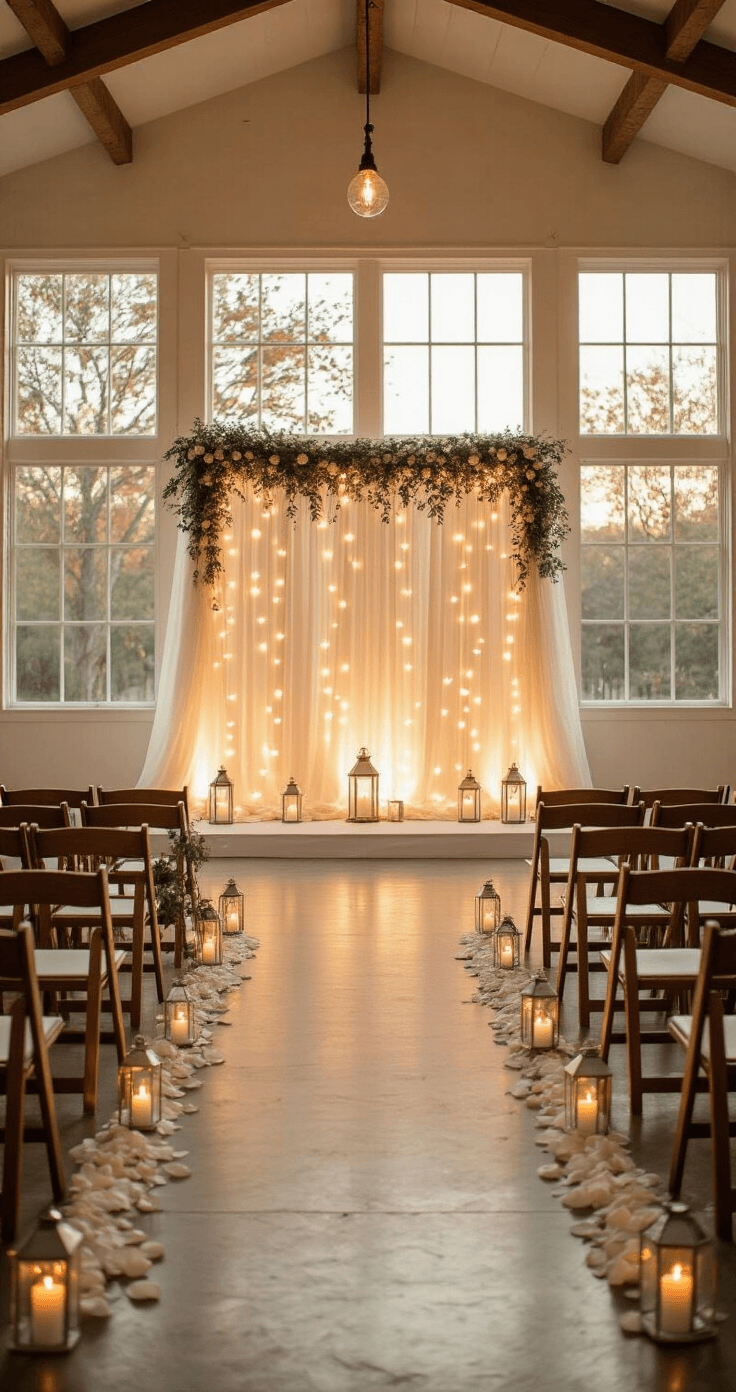
- Fairy light backdrop behind the altar
- Lantern-lined aisle (odd numbers only – 3, 5, or 7 per side)
- Ceremony arch wrapped with warm string lights
Pro Move: Put the brightest lights slightly behind and above where you’ll stand.
Your photographer will thank you, and you won’t look like deer in headlights.
Zone 2: Reception Atmosphere
Here’s where people eat, drink, and judge your playlist choices.
The Formula:
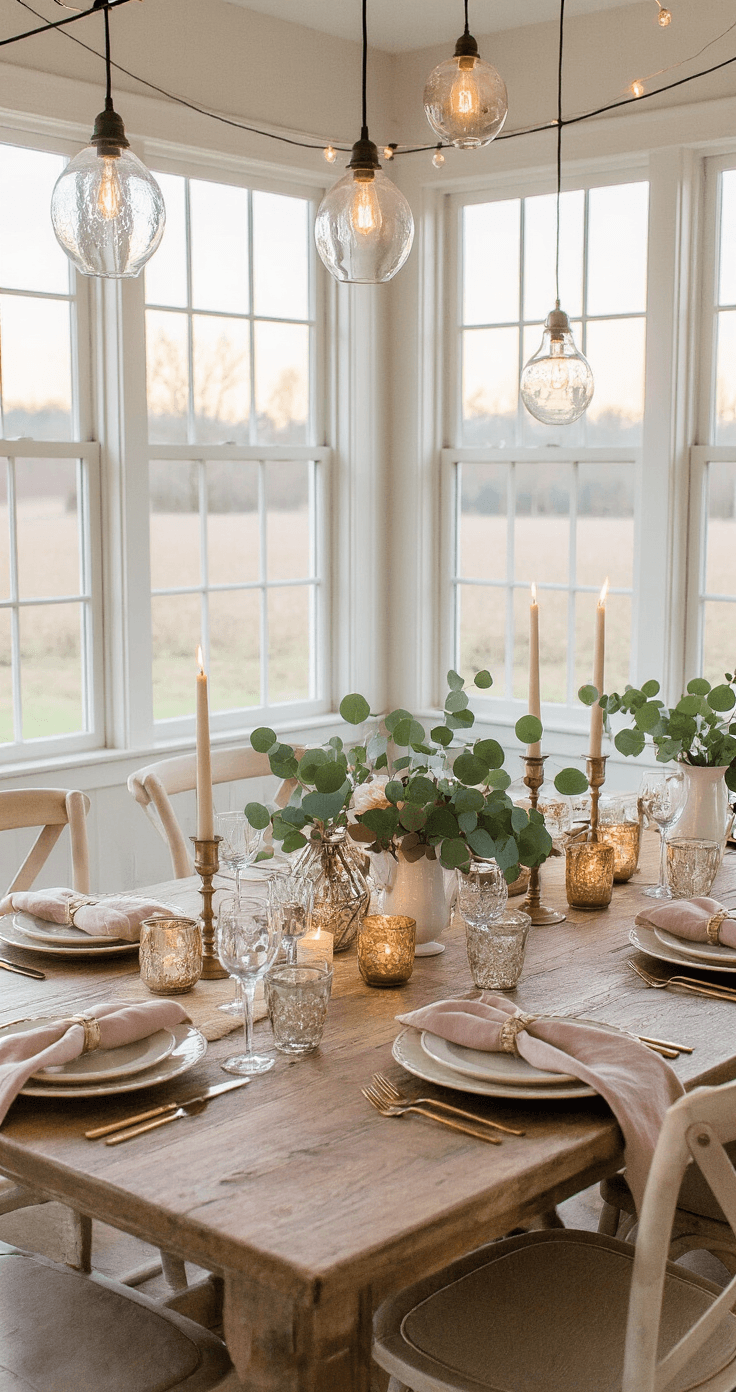
- Overhead canopy of string lights (creates intimate ceiling effect)
- Table-level candles in glass (wind protection)
- Perimeter lighting to define the space without harsh boundaries
Reality Check: You need more lights than you think.
If it looks like enough in daylight, double it.
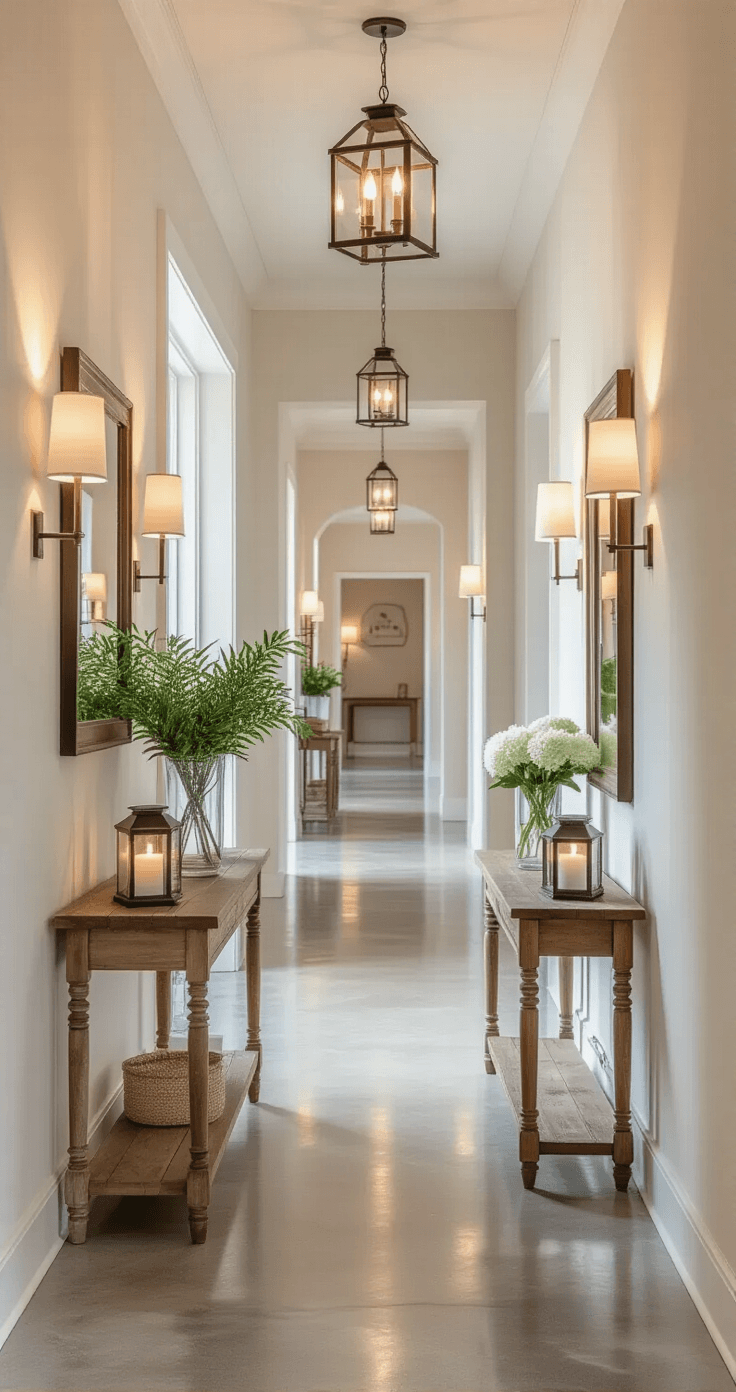
Zone 3: Dance Floor Drama
Keep it functional but fun – people need to see where they’re stepping.
Smart Choices:
- One statement piece overhead (chandelier or concentrated light canopy)
- Subtle perimeter lighting
- Avoid strobing or color-changing lights (they photograph terribly)
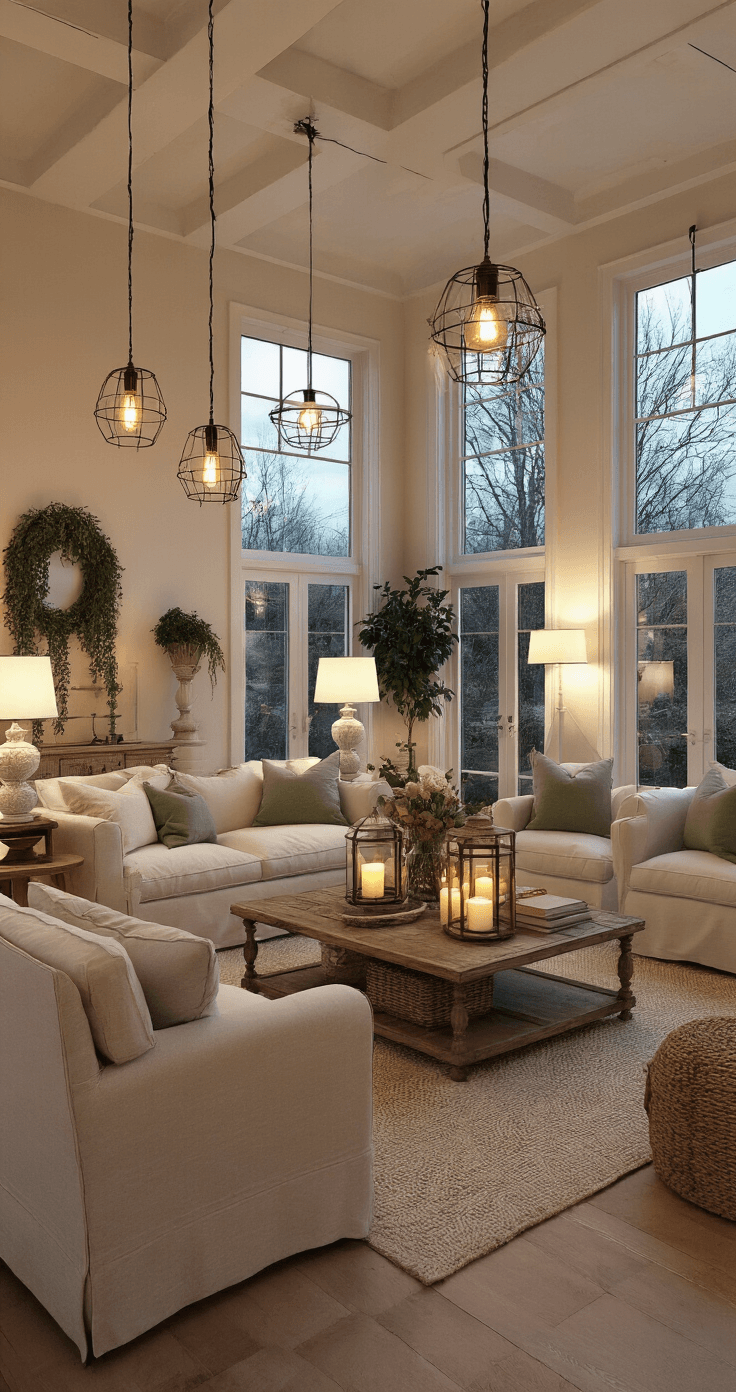
Zone 4: Practical Pathways
Because twisted ankles aren’t romantic.
Must-Haves:
- Clear path from parking to ceremony
- Bathroom route lighting
- Bar and buffet area illumination
- Step and level-change marking
Setup Strategy That Actually Works
The Night Before (Seriously, Don’t Skip This)
Test everything while you can still fix problems:
- Plug in every single strand
- Walk the space after dark
- Check that timers and remotes work
- Have backup bulbs ready
Want to keep this one?
We'll email you the link so you can find it again later.