How to Plan a Rehearsal Dinner Without Losing Your Mind (or Your Budget)
How to Plan a Rehearsal Dinner Without Losing Your Mind (or Your Budget)
Planning a rehearsal dinner can feel like planning a second wedding — and nobody has time for that.
You’ve already got a venue to book, a dress to fit, a florist to manage, and approximately 47 group chats going at once.
The last thing you need is another event spiraling into chaos.
Here’s the good news: a rehearsal dinner doesn’t have to be complicated.
It just needs to be warm, well-timed, and organized enough that everyone shows up to your actual wedding rested, fed, and ready to go.
I’ve pulled together everything you need — timelines, budgets, menus, seating, decor — and broken it all down so you can actually use it.
Start Here: The Rehearsal Dinner Timeline That Actually Works
The biggest mistake couples make is starting too late.
Most venues, private dining rooms, and caterers book up fast — especially on weekends close to wedding season.
Here’s the timeline that works:
3–6 Months Before the Wedding
This is your planning foundation phase.
- Set the date — tie it directly to your ceremony rehearsal, usually the evening before the wedding
- Lock in your budget — decide on a maximum number before you talk to a single venue
- Draft your guest list — know roughly how many people you’re feeding
- Decide on the vibe — formal sit-down dinner, casual backyard BBQ, or something in between
- Start researching venues, private dining rooms, and caterers in your area
Don’t skip the vibe decision.
It shapes everything — the menu, the decor, the dress code, and how much the whole thing costs.
2–3 Months Before
- Book your venue — 60 to 90 days out is the minimum; earlier is better
- Rough in the menu and start asking about dietary accommodations
- Confirm whether the venue handles catering or if you need to bring someone in
4–6 Weeks Before
- Send invitations — printed or digital, just get them out
- Start collecting RSVPs and building your seating plan
- Follow up with anyone who hasn’t responded
2 Weeks Before
- Confirm your final headcount with the venue or caterer
- Verify the rehearsal time, travel time between locations, and the evening’s schedule
- Double-check that everyone who needs to be there actually knows they’re coming
The Week Of
- Confirm vendors, menu, and seating one more time
- Share the run-of-show with your wedding party so nobody’s asking questions at 6pm
- Rehearse any toasts, finalize decor, sort signage
Who Goes on the Guest List (And Who Hosts)
This is where a lot of couples get tripped up.
The traditional rehearsal dinner guest list is actually pretty tight:
- All wedding attendants and their partners
- Immediate family of both partners
- The officiant and their partner (if appropriate)
That’s it.
That’s the core list.
Now, modern couples often expand this to include out-of-town guests — especially if the rehearsal dinner doubles as a welcome event for people who’ve traveled far to be there.
Some couples even follow the intimate dinner with a larger, more casual welcome reception so extended guests feel included without blowing the budget.
Who Pays?
Traditionally, the groom’s family hosts and covers the cost.
Save this article
Enter your email and we'll send it straight to your inbox.
In practice, it’s flexible.
Couples pay for it themselves, families split it, or everyone chips in.
Whatever works for your situation — just treat it as its own dedicated line item in your wedding budget before you start making commitments.
Budget Without the Breakdown
Set your maximum before you talk to anyone.
Seriously — walk into every venue conversation knowing your ceiling.
Then build in a 10–15% contingency for the surprises that always come up.
Here are the smartest ways to keep costs down:
- Host at a family home and hire a local caterer or order in from a great restaurant
- Choose a restaurant with no rental fee and use a prix fixe menu — it simplifies ordering and controls cost
- Limit the bar to beer, wine, and one signature cocktail instead of a full open bar
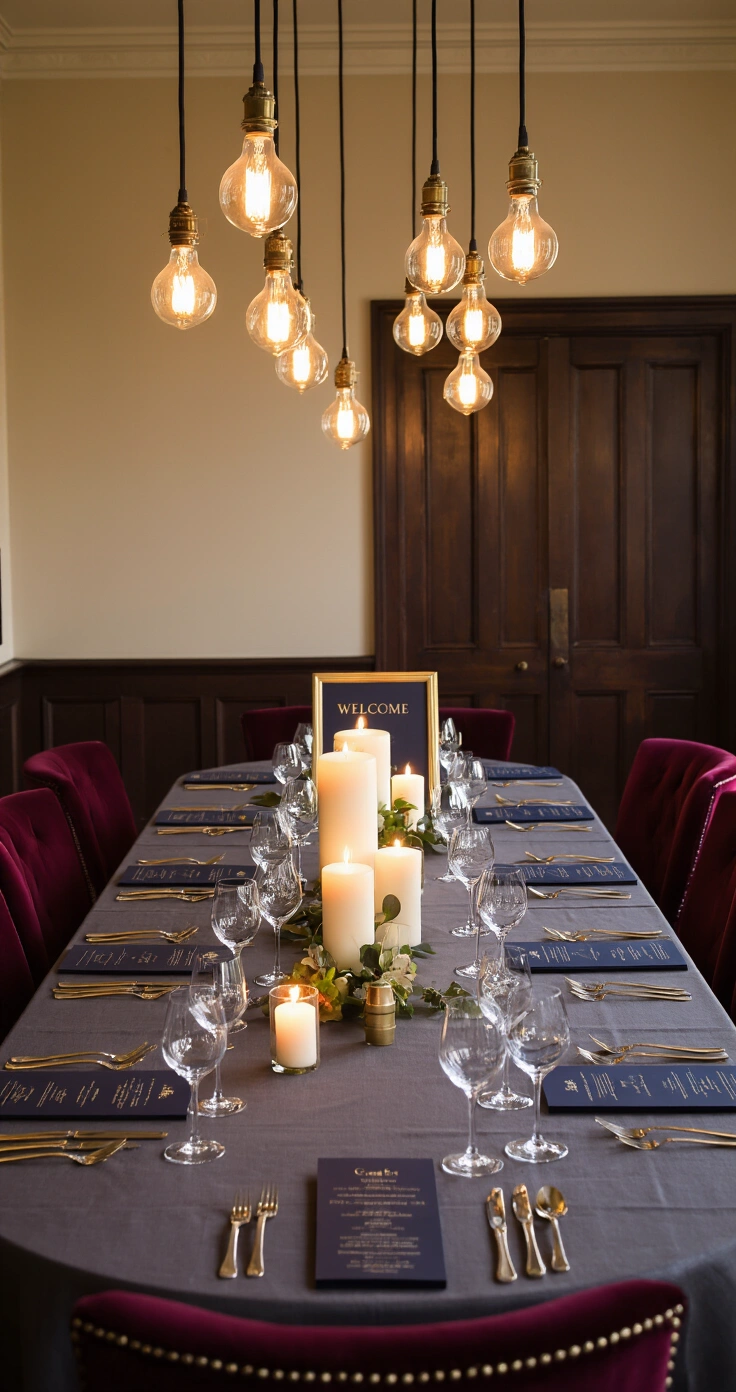
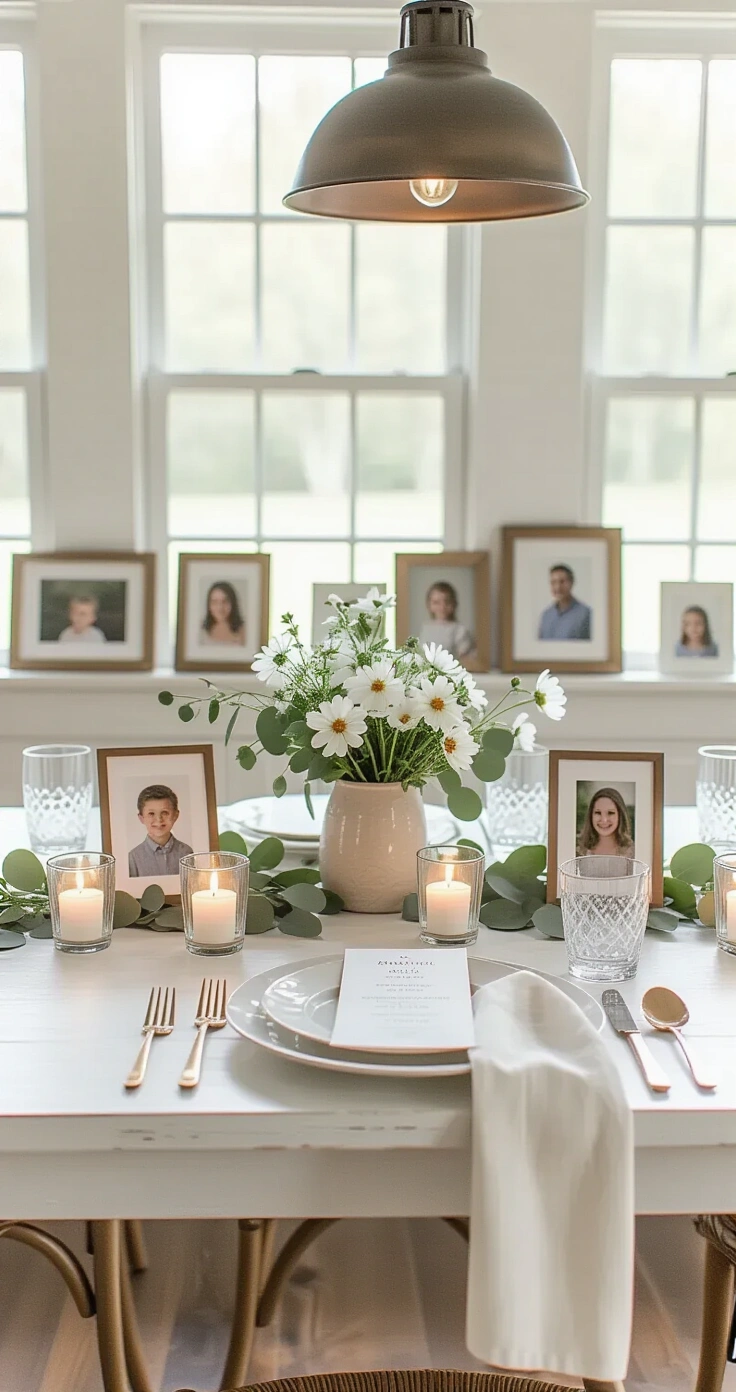
- Use simple decor — pillar candles and framed photos of the couple go a long way
- Pick a weeknight if your rehearsal is on a Thursday — venues are often cheaper and more available
- Skip elaborate florals; a bit of greenery and some warm lighting does the same job for a fraction of the cost
The rehearsal dinner doesn’t need to compete with the wedding.
It just needs to feel good.
Picking the Right Venue and Format
The venue sets the tone for everything.
Location matters more than most people think.
Pick somewhere close to the ceremony site or where most guests are staying.
If there’s travel time between the rehearsal and the dinner, build in at least 20–30 minutes of buffer on top of actual travel time.
People get distracted, photos get taken, someone always needs a bathroom stop.
Common Formats That Work Well
- Private dining room at a restaurant — easy, no setup stress, great for smaller groups
- Catered event at a home or backyard — relaxed, personal, often more affordable
- Small event space — flexible, good for larger groups or themed setups
- Intimate family dinner followed by a welcome reception — works well if you have a lot of out-of-town guests
Whatever you choose, decide on the format early.
A casual BBQ needs different planning than an elegant sit-down dinner, and mixing signals halfway through creates unnecessary stress.

Want to keep this one?
We'll email you the link so you can find it again later.