Restaurant Wedding Reception: Everything You Need to Know Before You Book
Restaurant Wedding Reception: Everything You Need to Know Before You Book
A restaurant wedding reception might just be the smartest decision you make for your entire wedding.
I know, that’s a bold claim.
But hear me out.
When my cousin decided to ditch the traditional ballroom and host her reception at a small Italian restaurant in the heart of the city, everyone thought she was cutting corners.
She wasn’t.
The food was extraordinary. The atmosphere was warm and intimate. The guests talked about it for years.
And she spent significantly less than her friends who booked the grand banquet hall down the street.
That experience completely changed how I think about wedding venues.
So if you’re here because you’re wondering whether a restaurant wedding reception is a good idea — or because you’ve already fallen in love with the concept and need help pulling it off — you’re in the right place.
Let’s get into it.
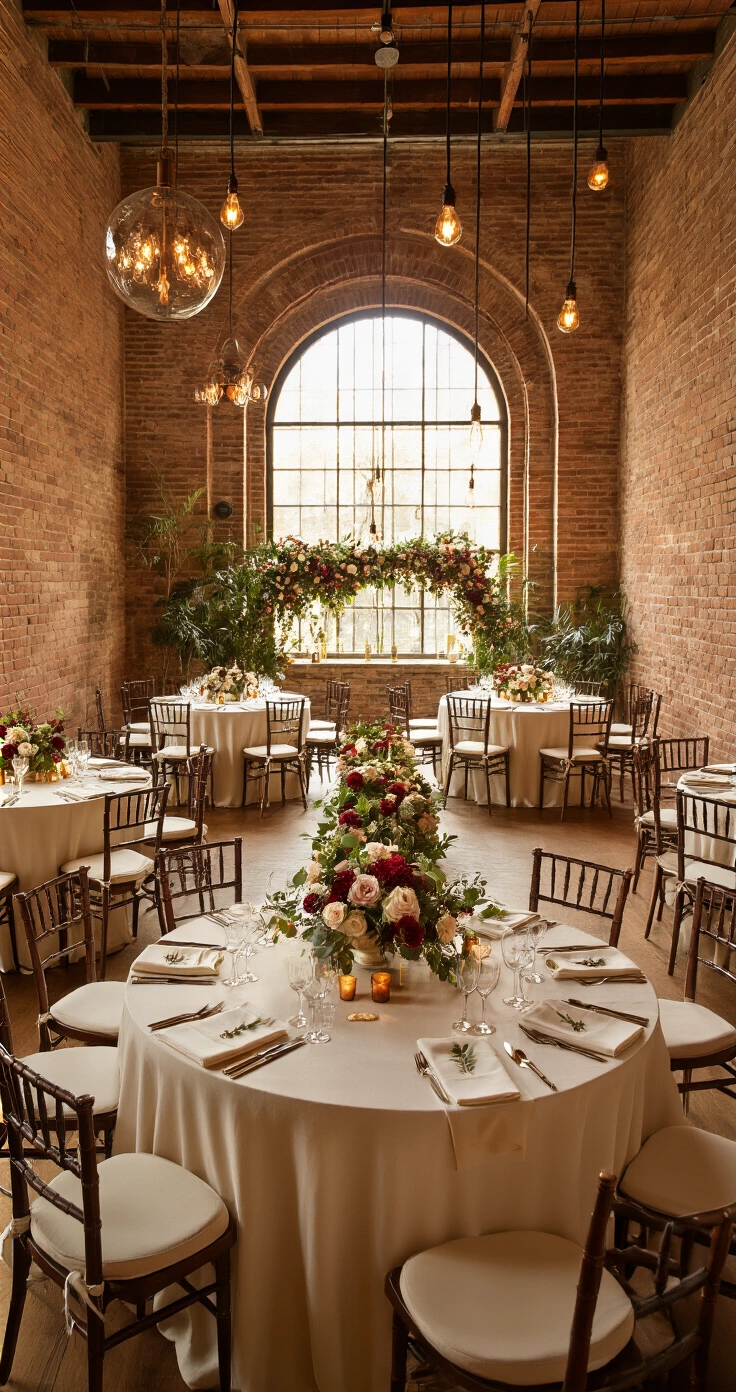
What Even Is a Restaurant Wedding Reception?
It’s exactly what it sounds like.
Instead of booking a traditional wedding venue or banquet hall, you host your reception at an actual working restaurant.
That might mean:
- Renting out a private dining room while the restaurant stays open to other guests
- Doing a full restaurant buyout, where the entire place is yours for the night
- Using both spaces — ceremony in one area, reception in another
The restaurant handles the food (obviously), the service staff, and often most of the setup.
You walk into a space that already looks beautiful and already has trained professionals ready to feed your guests exceptionally well.
For couples who care deeply about great food and a relaxed, intimate feel, this format is genuinely hard to beat.
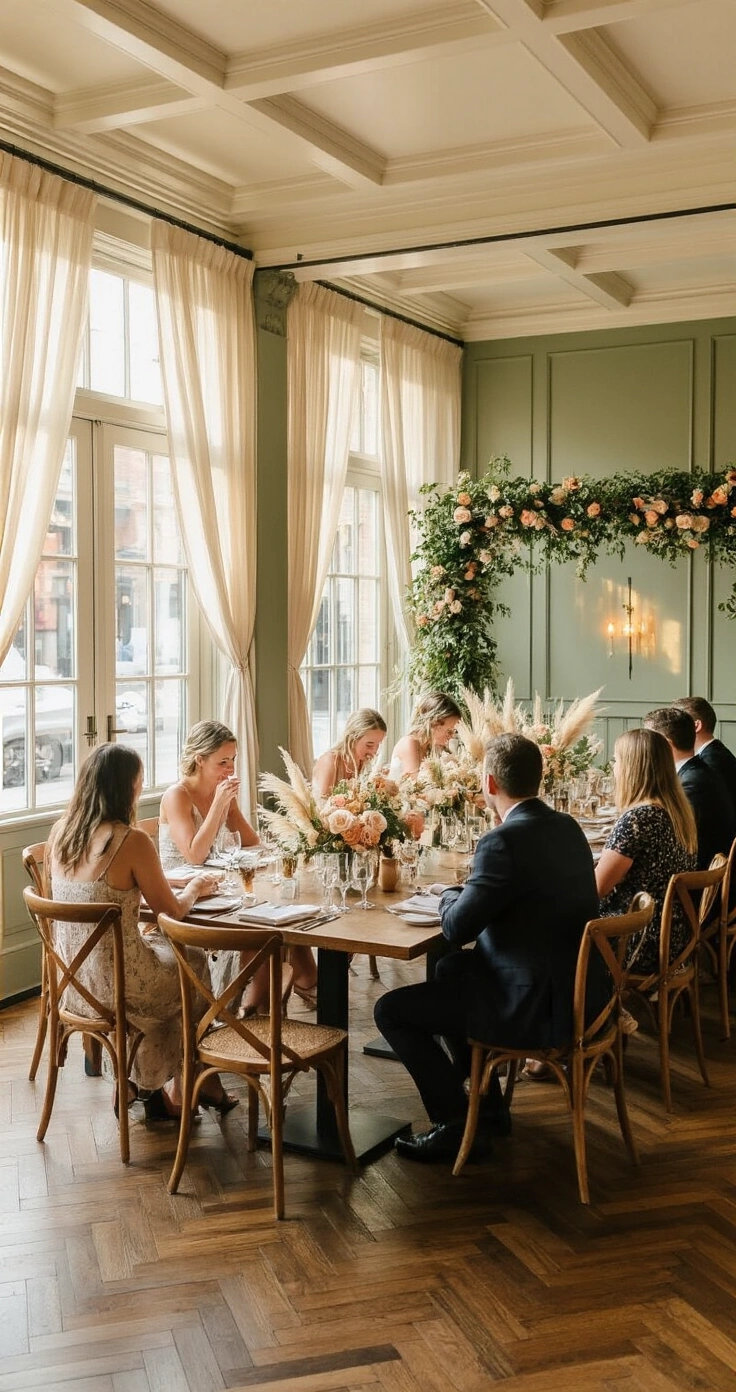
Why So Many Couples Are Choosing This Over a Traditional Venue
Here’s the honest truth about why restaurant wedding receptions are gaining serious popularity.
The food is actually good.
Traditional wedding venues often outsource catering or use in-house teams that are cooking for 200 people at once. The result is usually fine. Sometimes it’s great. But rarely is it restaurant-quality.
When you book a restaurant, the kitchen is the whole point. These chefs are trained to execute at a high level. Your guests will notice.
The atmosphere is already built for you.
Think about your favorite restaurant. The lighting. The furniture. The way everything just feels considered and intentional.
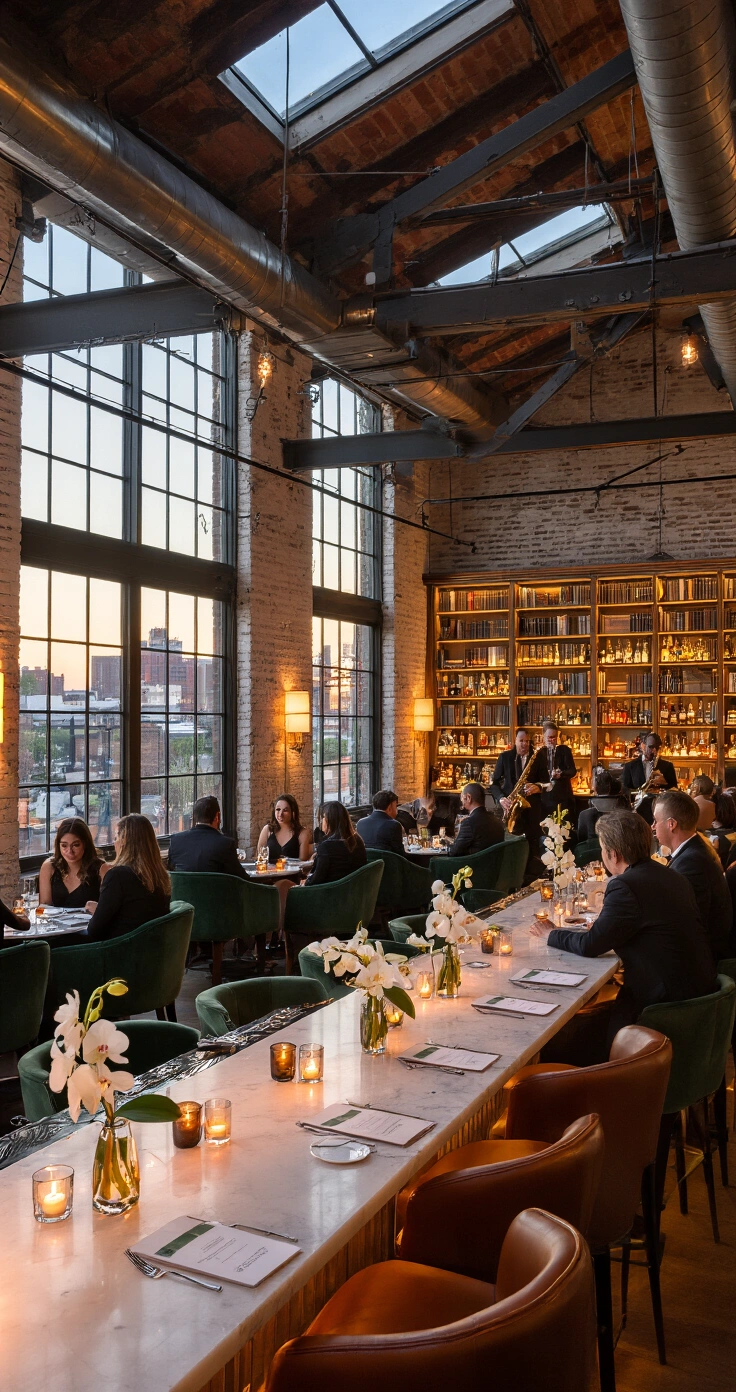
That’s not an accident. Restaurants invest heavily in their interiors because ambiance drives repeat business.
When you book a restaurant for your reception, you inherit all of that. Less money spent on draping, lighting rigs, and décor rentals. More money saved — or redirected to the honeymoon.
Save this article
Enter your email and we'll send it straight to your inbox.
It’s ideal for smaller, more intimate weddings.
Most restaurant venues shine brightest in the 20–120 guest range. Some can go higher with a full buyout.
But if your list sits comfortably under 100, a restaurant reception can feel perfectly sized rather than embarrassingly sparse.
The cost structure often works in your favor.
Rather than one massive flat venue fee, restaurants typically work on a food-and-beverage minimum.
That means you agree to spend a certain amount on food and drinks, and in many cases, the space is included.
For couples who were going to spend that money on catering anyway, this can feel like a genuinely better deal.
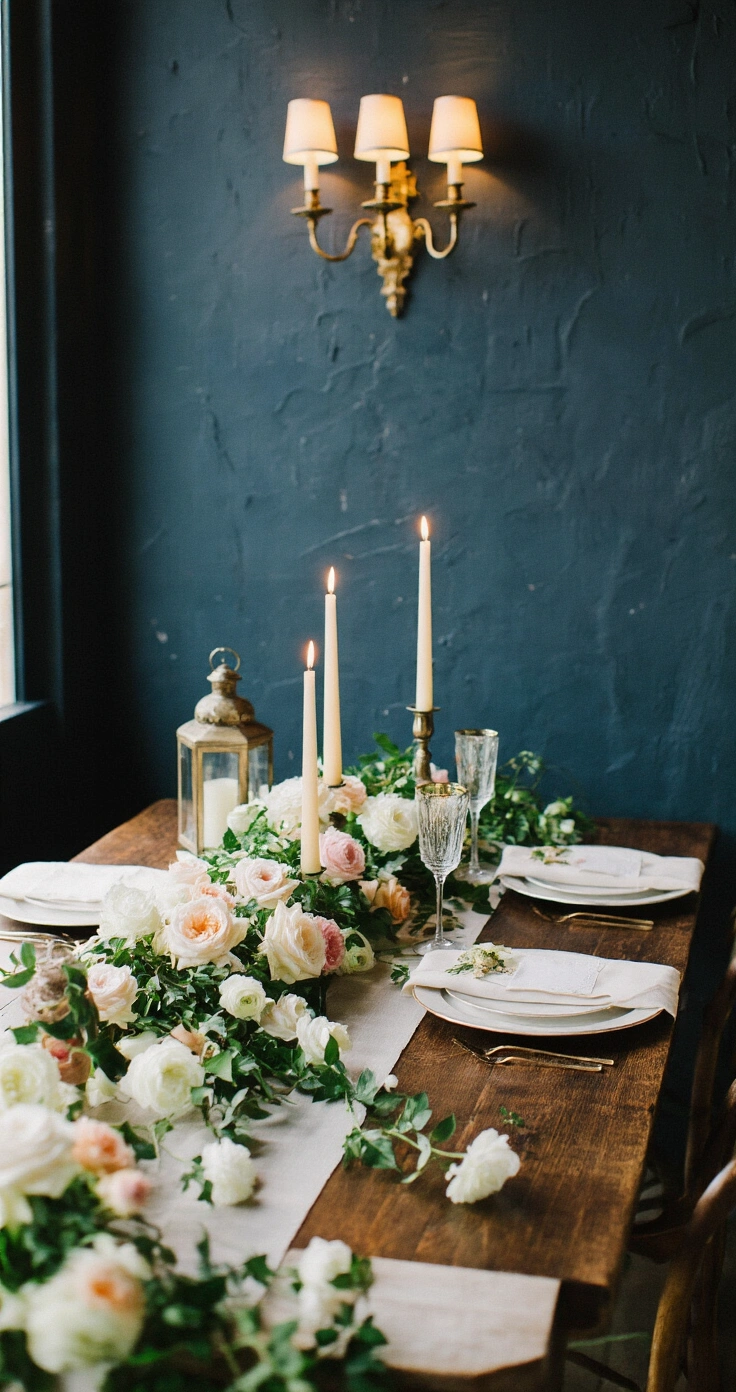
The Honest Downsides (Because You Deserve the Full Picture)
I’m not here to sell you on anything. So let’s talk about the real limitations.
Space is almost always tighter.
Restaurant floorplans are designed for dining, not dancing. If you want a large dance floor, a full live band, a photo booth, a dessert station, and a sweetheart table — all at once — you may run out of room.
Time restrictions can catch couples off guard.
Some restaurants need to reopen after a certain hour. Others are in neighborhoods with noise ordinances that cap music volume or end times.
Always ask upfront about your event’s hard stop time and what overtime fees look like.
You may not be able to change much about the space.
The restaurant already has a look. That look is usually why you chose it. But if you want to rearrange furniture significantly, bring in dramatic ceiling installations, or dramatically alter the vibe — you might hit resistance.
Work with the space, not against it. More on that later.
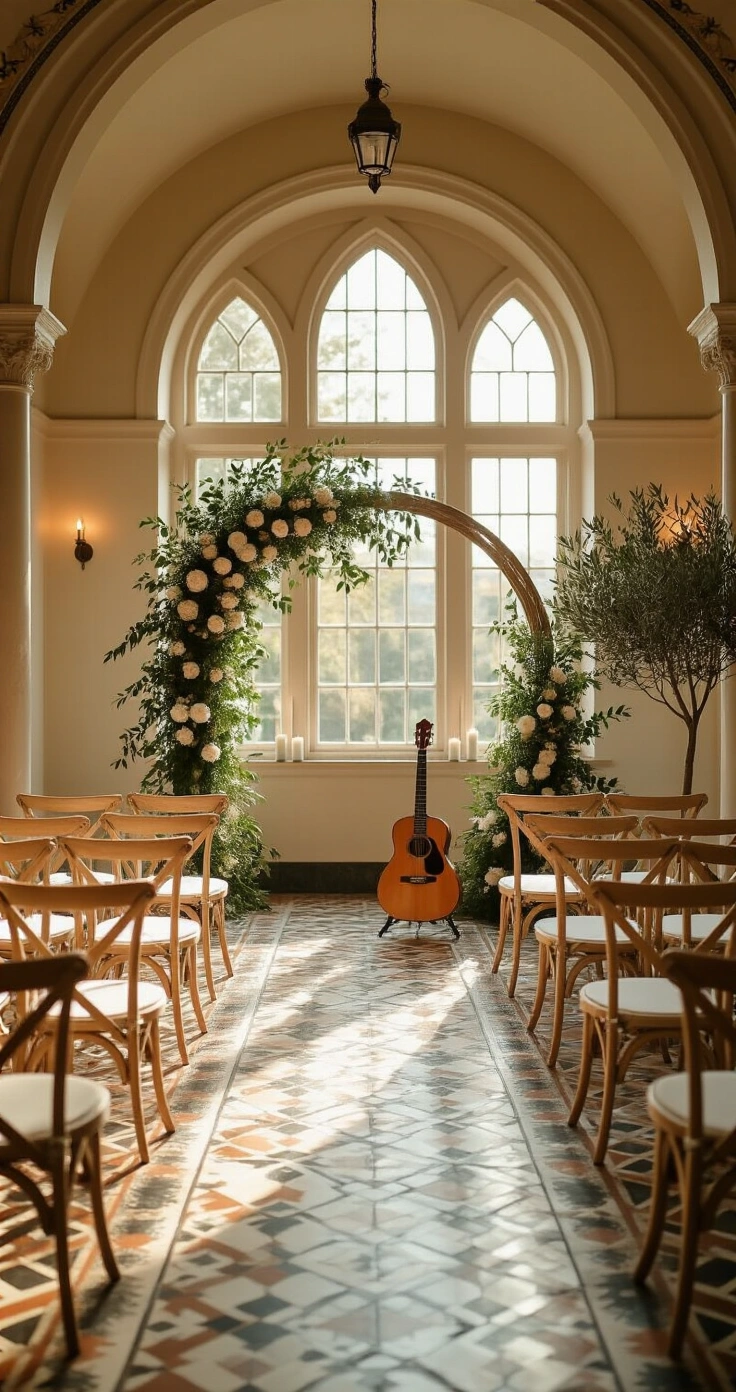
How to Choose the Right Restaurant for Your Reception
This is where most couples spend the most time — and rightfully so.
Here’s what to look at when you’re scouting venues.
Capacity and Layout
Before you fall in love with a place, answer these questions:
- How many guests can it comfortably seat for a plated dinner?
- Is there a private dining room, or do you need a full buyout?
- Is there room for a dance floor, even a small one?
- Where would the sweetheart table go?
- Is there a logical spot for a cake or dessert display?
Ask for a sample floor plan based on your guest count. Any reputable venue will have this ready to share.
Type of Booking
There’s a meaningful difference between these two options:
Private dining room:
- You get exclusivity within that room
- The restaurant continues operating for other guests
- Usually more affordable
- Better suited for smaller guest counts (20–50 guests)
Full buyout:
- The entire restaurant is yours
- No other diners
- More flexibility with layout and timeline
- Higher minimum spend, but more event feel
Neither option is automatically better. It depends
Want to keep this one?
We'll email you the link so you can find it again later.