Classic Black Tuxedo Style Guide: Everything You Need to Look Flawless at Any Formal Event
What Makes a Classic Black Tuxedo Actually “Classic”
Not every black suit is a tuxedo. That’s something a lot of people get wrong, and it’s the first thing worth clearing up before we go any further.
A true classic black tuxedo has a few very specific features that separate it from a regular black suit:
- Satin lapels — either peak, shawl, or notch style
- Covered satin buttons down the front placket
- Matching tuxedo trousers with a satin stripe running down each leg
- No belt loops on the trousers (suspenders or a side-tab waistband instead)
That satin detailing is what gives the tuxedo its formal status. It catches the light in a way that plain wool or polyester just doesn’t. And it’s also what makes shooting tuxedo content a little tricky — but more on that later.
Who This Guide Is Really For
I want to be upfront about who this is aimed at. This guide is for:
- Grooms getting ready for their wedding day
- Prom attendees who want to look sharp and confident
- Gala guests who don’t want to show up underdressed
- Fashion content creators building a formal menswear portfolio
- Anyone curious about how black-tie dressing actually works
If you fall into any of those categories, keep reading. This is going to save you a lot of trial and error.
The Style Difficulty Level (And Why It Matters)
Let’s be honest — pulling off a tuxedo isn’t as simple as throwing it on and walking out the door. It’s an intermediate-level style challenge.
You need to understand:
- What “black-tie” actually means as a dress code
- How fit changes everything about how a tux looks
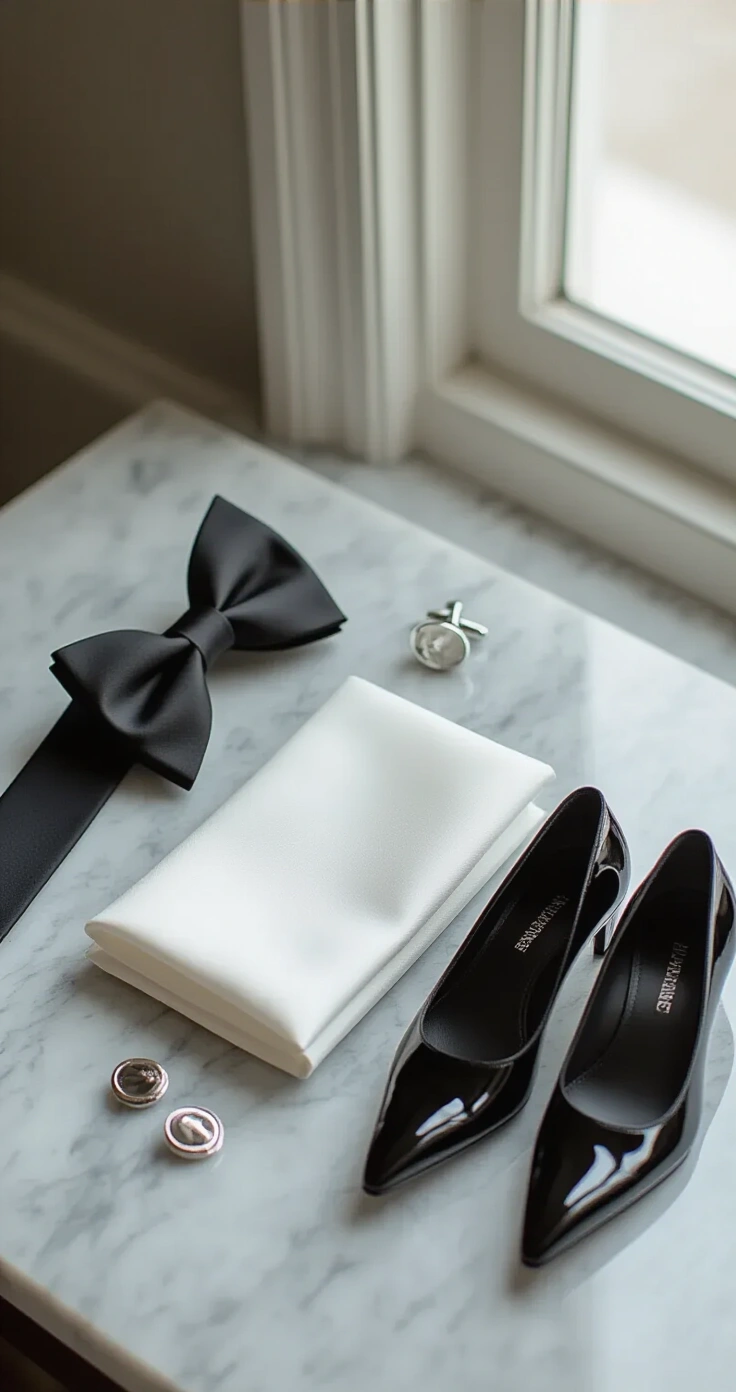
- How to get the bow tie, shirt, and accessories to work together
None of that is overly complicated once you know what to look for. But if you skip the details, even a $600 tuxedo can look cheap.
Budget Breakdown: What You’ll Actually Spend
Here’s the real talk on pricing, because this is where a lot of people get caught off guard.
Entry-level options (under $200):
- Poly/viscose blend tuxedos
- Fine for a one-time event or if you’re on a tight budget
- Less structure, less drape, but still serviceable
Mid-range options ($200–$300):
- Better fabric blend and construction
- A good example is the Essential Black Tuxedo around $275
- This is the sweet spot for most people
Premium/made-to-measure options ($400–$650+):
- My.Suit comes in around $620
- Luxedo options around £449
- Better for frequent wearers or serious fashion content
On top of the tux itself, you’ll want to budget for:
- Dress shoes (patent leather oxfords are the gold standard)
- Accessories (bow tie, pocket square, cufflinks)
- Professional photography if you’re doing a full content shoot
A full look — tux, shirt, shoes, and accessories — realistically runs you anywhere from $300 to $900+ depending on your choices.
Save this article
Enter your email and we'll send it straight to your inbox.
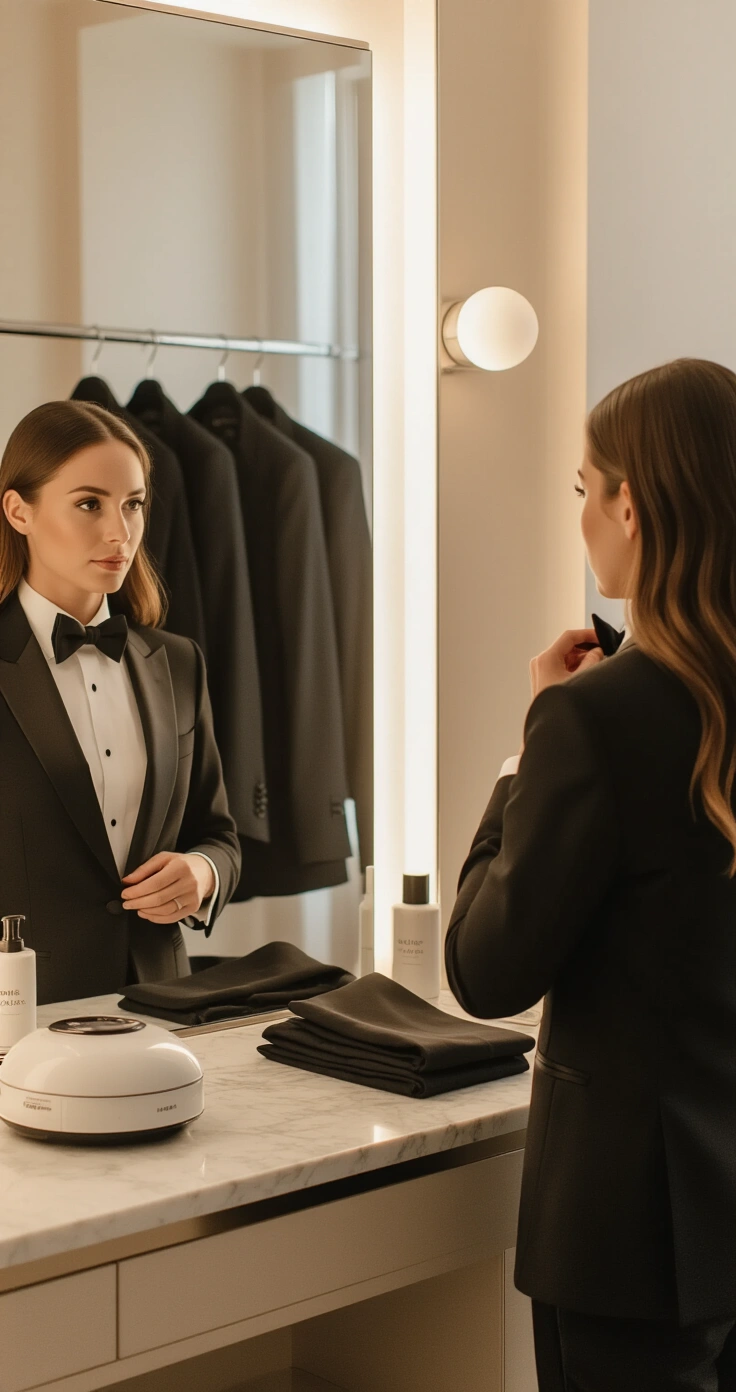
The Three Lapel Styles (And Which One to Pick)
This is probably the most important styling decision you’ll make when choosing a classic black tuxedo. The lapel style shapes your entire silhouette, so it’s worth understanding what each one does.
1. Peak Lapels
These point upward toward your shoulders. They create a bold, powerful look and are considered the most formal option. Great for tall frames and confident wearers who want to make a statement.
2. Shawl Lapels
These are rounded, with no notch or break in the lapel. They have a softer, more vintage feel and are a popular choice for weddings and evening events. A good option if you want something that looks elegant without being too aggressive.
3. Notch Lapels
These are the most casual of the three and honestly the least traditional for a true black-tie look. You’ll see them more often on affordable tux suits or on people who are blending the formal and semi-formal line. Fine for prom or a less strict black-tie event, but if you’re going to a wedding or gala, peak or shawl is the better call.
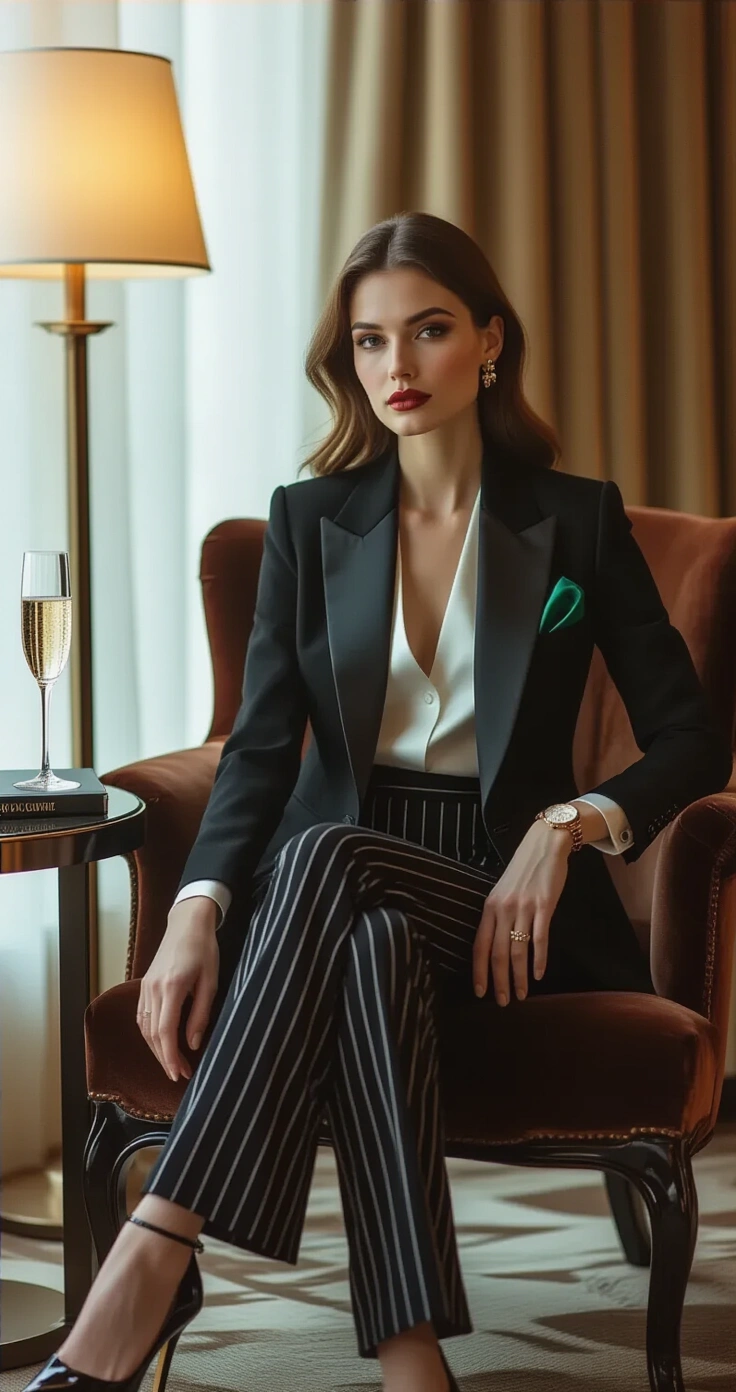
Fit Is Everything — Here’s What to Look For
I cannot stress this enough. A $250 tuxedo in a perfect fit will look better than a $650 tuxedo that doesn’t fit properly. Every time.
Here’s what to check when you’re trying on or ordering a tuxedo:
Shoulders:
The shoulder seam should sit right at the edge of your shoulder. Not drooping down your arm, not pulling toward your neck.
Chest:
When the jacket is buttoned, there should be no pulling or X-shaped creasing across the chest. A little room to move is fine, but it shouldn’t look like a sack.
Waist:
A classic tuxedo should have some waist suppression — meaning it follows the shape of your torso slightly. This is what gives it that clean, structured silhouette.
Jacket Length:
The jacket should cover your seat when standing. The sleeves should show about half an inch of shirt cuff.
Trousers:
A slight break at the shoe is standard for classic black-tie. Too much break makes you look sloppy; too little makes it look like you’ve out
Want to keep this one?
We'll email you the link so you can find it again later.