Vintage Engagement Rings: Your Guide to Timeless Romance and One-of-a-Kind Style
Vintage Engagement Rings: Your Guide to Timeless Romance and One-of-a-Kind Style
Contents
Vintage engagement rings capture hearts with their unmatched character and romantic history. But choosing one feels overwhelming when you’re staring at countless options online.
I get it. You want something special that tells your unique love story. Something that makes people stop and stare. Something that isn’t sitting on every other finger at the coffee shop.
After years of helping couples find their perfect vintage pieces, I’ve learned what really matters when choosing these historic treasures.
What Makes Vintage Engagement Rings Actually Special?
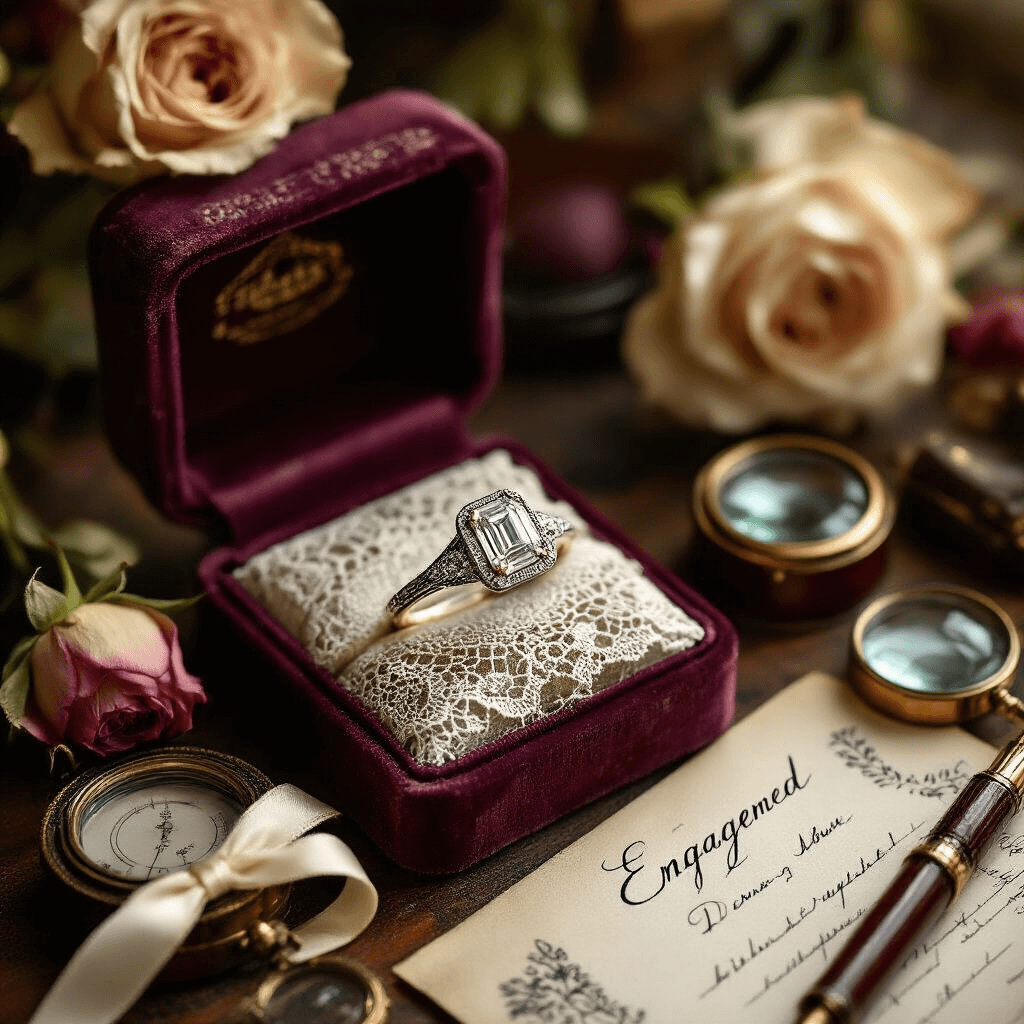
Vintage engagement rings aren’t just old rings with fancy price tags. These beauties showcase craftsmanship that doesn’t exist anymore.
Think about it this way: Modern rings roll off assembly lines by the thousands. Vintage rings were lovingly crafted by artisans who spent weeks perfecting every tiny detail.
Here’s what sets them apart:
- Hand-engraved metalwork that no machine can replicate
- Rare diamond cuts like Old European and Old Mine cuts
- Intricate milgrain details along every edge
- Filigree work so delicate it looks like lace made of metal
- Unique proportions that feel perfectly balanced in your hand
I once held a 1920s Art Deco ring where the jeweler had carved tiny flowers into the gallery underneath the stone. Nobody would ever see those flowers except when cleaning the ring. But someone cared enough to put them there anyway.
That’s the magic you’re buying.
Vintage vs. Vintage-Inspired: Know What You’re Getting
This trips up everyone. Let me break it down simply:
True vintage rings = At least 50 years old
Antique rings = Over 100 years old
Vintage-inspired rings = Brand new rings copying old styles
Neither choice is wrong. But know what you’re paying for.
True vintage pieces come with:
- Authentic age and history
- Original craftsmanship techniques
- Potential quirks and character marks
- Limited availability
Vintage-inspired rings offer:
- Modern durability standards
- Ethical sourcing guarantees
- Easier sizing and customization
- Lower risk of structural issues
I always tell couples to hold both options. Your heart will know which path feels right.
The Era That Speaks to Your Soul
Each historic period created distinctly different ring styles. Finding your era is like finding your decorating style – you know it when you see it.
Victorian Romance (1837-1900)
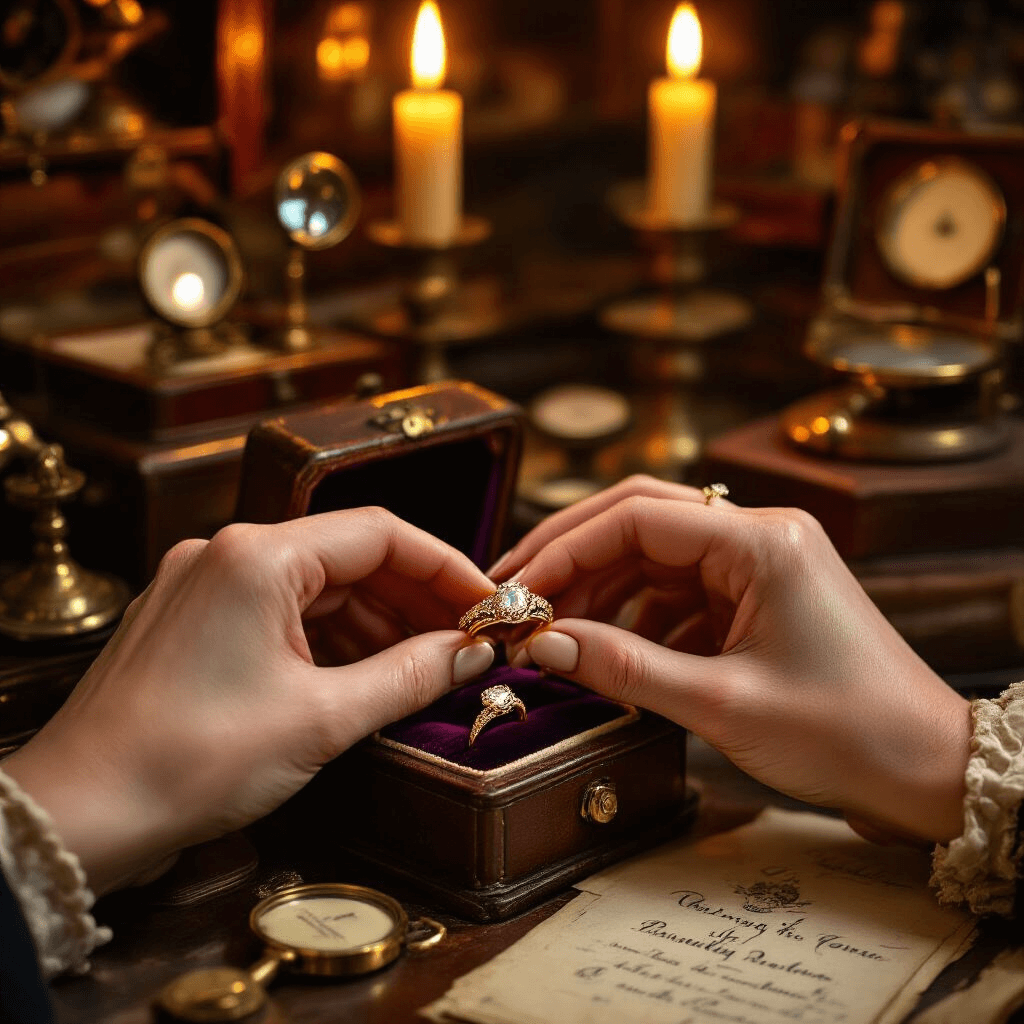
Victorian rings scream romance. We’re talking about the era that invented Valentine’s Day cards and flower language.
What to expect:
- Rich yellow gold settings
- Chunky diamonds or colorful gemstones
- Complex metalwork with symbolic motifs
- Vintage-style halo settings that frame center stones
These rings feel substantial on your finger. They’re conversation starters that come with built-in love stories.
Edwardian Elegance (1901-1915)
If you love delicate details and airy designs, Edwardian is your jam.
This era gave us:
- Intricate filigree work that looks like metallic lace
- Platinum settings (they popularized this metal!)
- Floral-inspired cuts and shapes
- Small accent diamonds creating sparkle halos
Edwardian rings photograph beautifully because of all that delicate detail work. Perfect if you’re planning an elegant wedding aesthetic.
Art Deco Drama (1915-1930s)
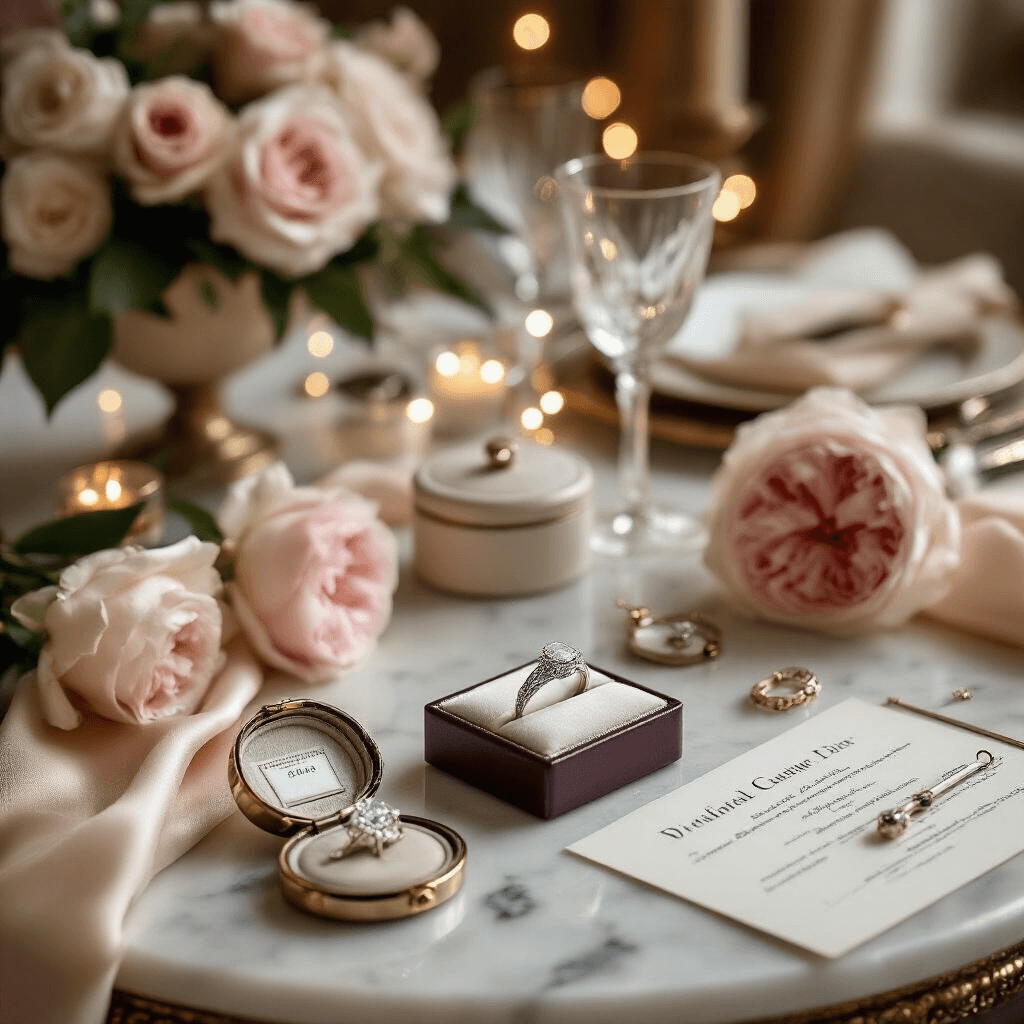
Art Deco rings are for people who want to make statements. Bold geometric patterns. Symmetrical designs. Pure architectural beauty.
Key features:
- Sharp, clean lines and geometric shapes
- Emerald cuts and marquise diamonds
- Colored gemstone accents (especially sapphires)
- Art Deco-inspired settings with stepped designs
I have a client whose grandmother’s Art Deco ring stops traffic. The emerald-cut diamond sits in a stepped platinum setting with tiny sapphire accents. It’s like wearing a tiny skyscraper on your finger.
Mid-Century Modern (1950s-1980s)
Post-war optimism created bold, celebratory ring designs.
Expect:
- Larger center stones (because bigger was better!)
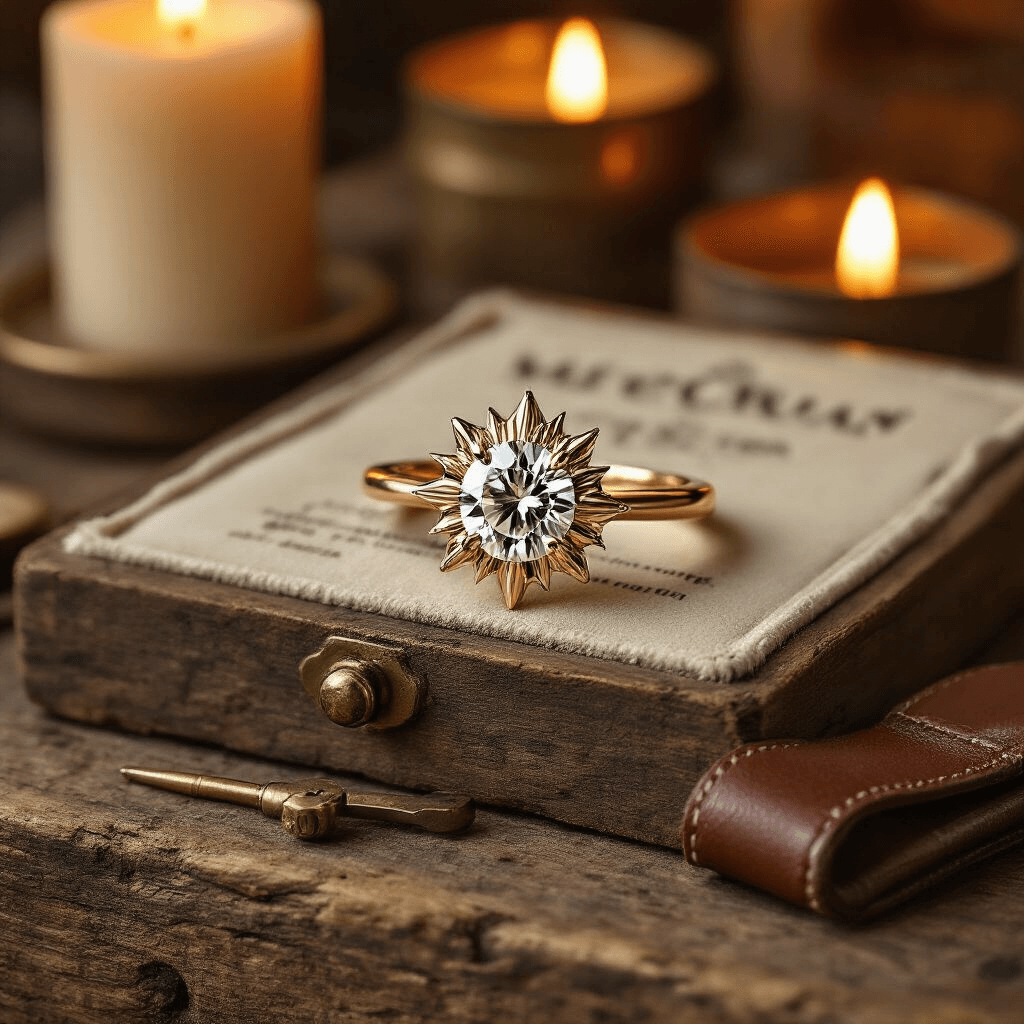
- Starburst and floral motifs
- Clean, balanced lines
- Mixed metal combinations
These rings have serious presence without feeling overwhelming.
The Real Talk About Vintage Ring Pricing
Here’s what nobody tells you: Vintage doesn’t automatically mean cheaper.
Sometimes vintage costs more than new. Here’s why:
Scarcity drives value:
- Antique diamond cuts aren’t made anymore
- Original period pieces become rarer every year
- Quality antique craftsmanship costs more to recreate than to buy original
But you might save money because:
- No retail markup on brand-new designs
- Vintage stones often have more character for less cost
- You’re buying established value, not speculative pricing
I’ve seen 1920s rings priced higher than new designer pieces. I’ve also found incredible deals on estate pieces.
The key is knowing what you’re looking at.
Finding Your Perfect Vintage Match
Shopping for vintage rings requires different strategies than buying new.
Start with