Why Your Table Setting Actually Matters More Than You Think
Why Your Table Setting Actually Matters More Than You Think
Contents
Here’s the thing nobody tells you about table settings. They’re not just about following some stuffy etiquette rules your grandmother insisted on.
A well-set table does something magical:
- Creates instant atmosphere without spending a fortune on decorations
- Makes your guests feel special (even if you’re serving takeout on real plates)
- Sets expectations for the entire dining experience
- Shows you care about the details that matter
I learned this the hard way when I threw together a “casual” dinner party with mismatched everything. My guests spent half the evening asking where things were instead of enjoying themselves.
The Three Table Setting Styles That Actually Work
Basic Table Setting: Your Everyday Hero
This is your weeknight warrior setup. Simple, functional, gets the job done.
What you need:
- One dinner plate
- One fork (left side)
- One knife (right side, blade facing inward)
- One spoon (right of knife)
- A cloth napkin (left side or on plate)
- One water glass (above the knife)
Pro tip: Even basic doesn’t have to mean boring. Swap paper napkins for cloth ones and watch your Tuesday night pasta dinner feel instantly more civilized.
Casual Table Setting: When You Want to Impress Without the Stress
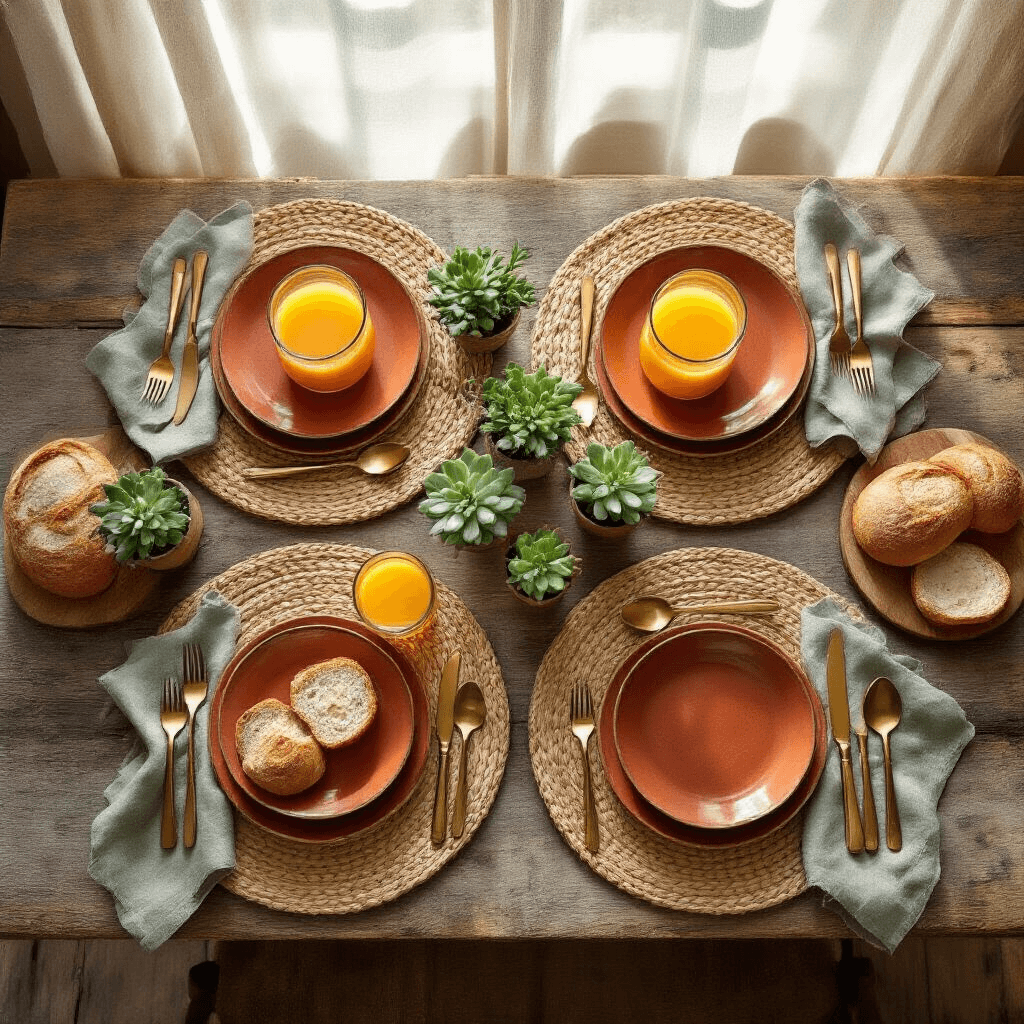
This is my go-to for weekend dinners with friends. Fancy enough to show effort, casual enough that nobody’s scared to eat.
Add these to your basic setup:
- Salad fork (outside the dinner fork)
- Soup spoon (outside the knife)
- Wine glasses (next to water glass)
- Bread plate with butter knife (upper left)
Reality check: Don’t stress if you don’t have matching everything. Mix and match can look intentionally eclectic if you own it.
Formal Table Setting: When You’re Going Full Fancy
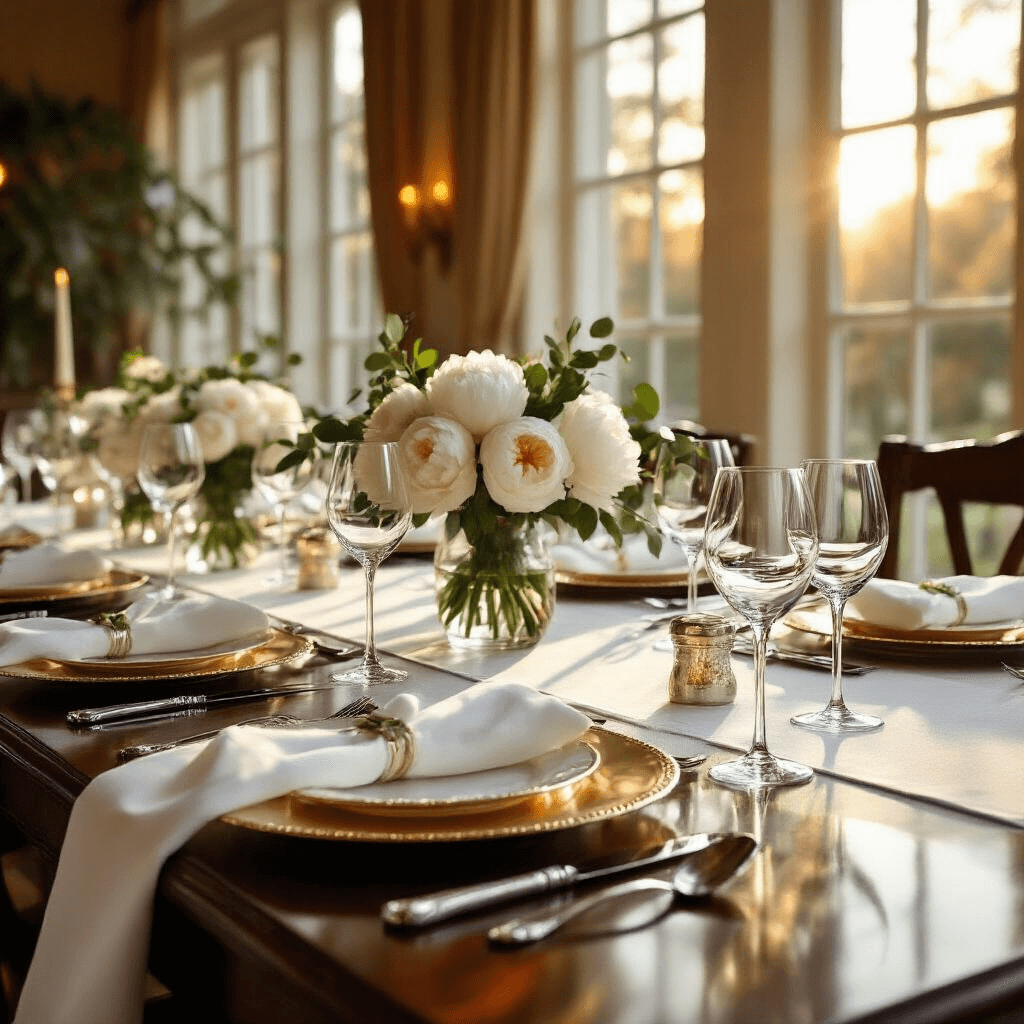
This is the big guns setup. Holiday dinners, anniversary celebrations, or when you really want to knock someone’s socks off.
The complete arsenal:
- Charger plate (base plate that stays through most courses)
- Multiple forks (salad, dinner, dessert)
- Multiple knives (dinner, steak if needed)
- Multiple spoons (soup, dessert, coffee)
- Multiple glasses (water, white wine, red wine, champagne)
- Bread plate with butter knife
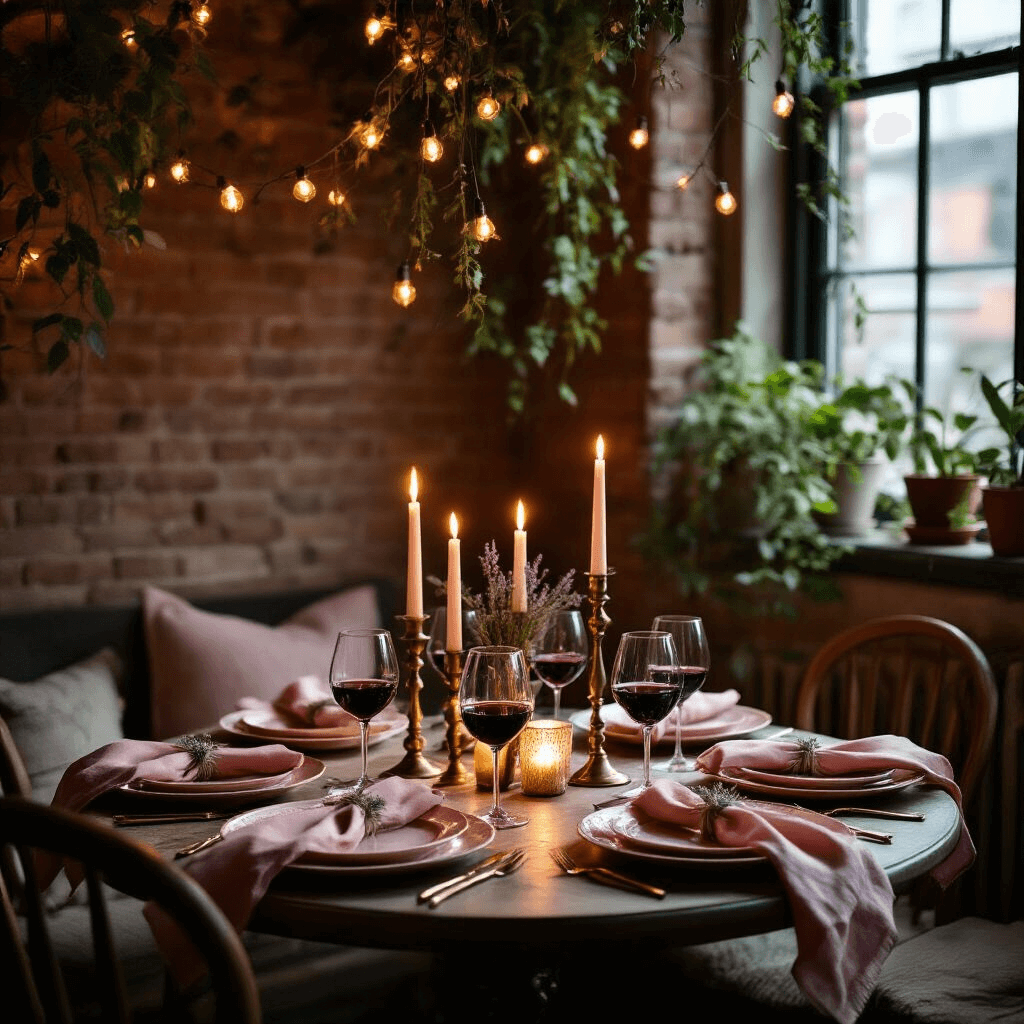
- Cloth napkin (often with napkin ring)
The Golden Rules That Actually Make Sense
Work From Outside In (Your Utensil GPS)
Remember this one rule and you’ll never look lost at a fancy dinner again. Start with the outermost utensils and work your way toward the plate with each course.
Why this works: Whoever set the table has done the thinking for you. They’ve mapped out the entire meal in silverware.
Forks Left, Knives and Spoons Right
Think of it like this: most people are right-handed and cut with their dominant hand. So cutting tools go on the right. Forks hold food steady, so they go on the left where your non-dominant hand can manage them.
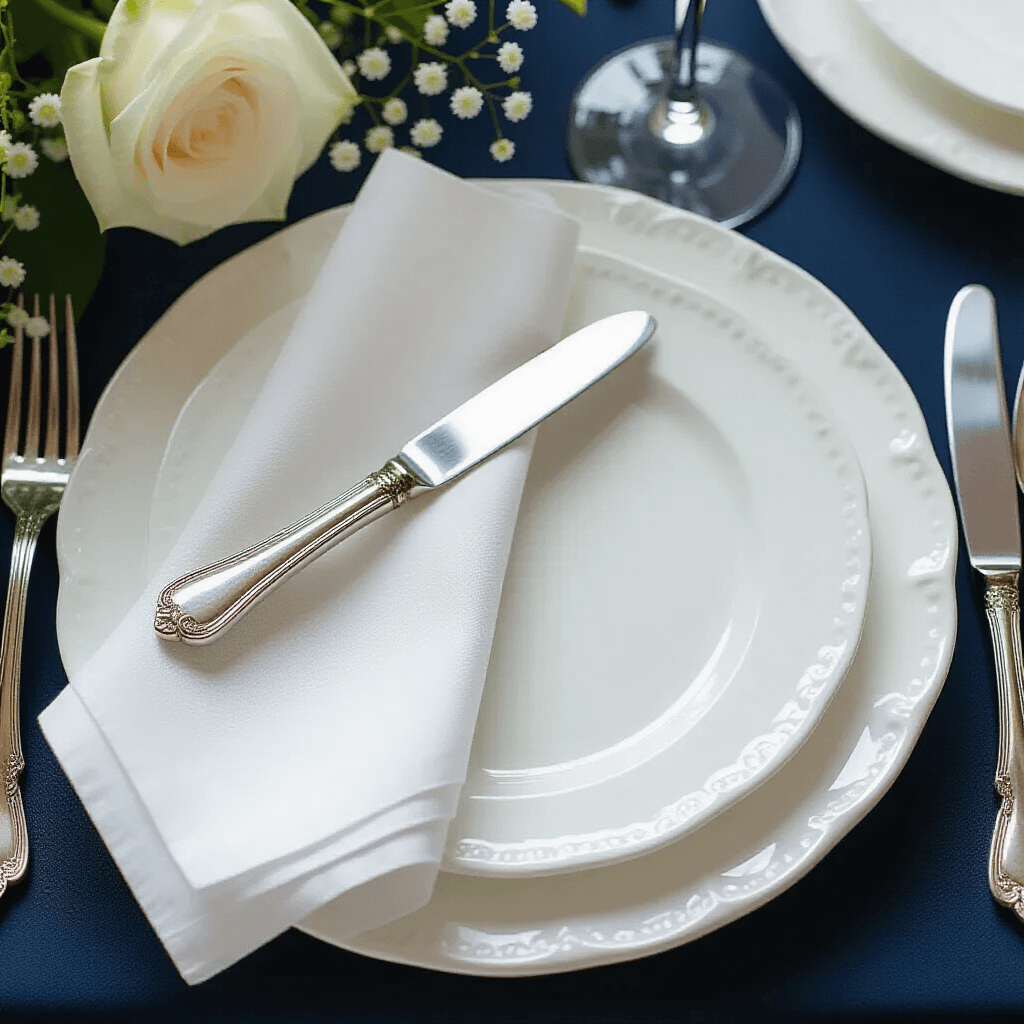
Knife blade direction: Always face the blade toward the plate. It’s safer and looks more polished.
The One-Inch Rule
All utensils should sit about one inch from the table edge. This isn’t some arbitrary rule – it prevents utensils from sliding off and gives diners proper elbow room.
Glassware Placement That Won’t Drive You Crazy
Here’s where people get overwhelmed, but it’s actually logical.
Start with water glass – goes directly above the dinner knife. Add wine glasses to the right of the water glass in order of use. White wine first (served with appetizers/fish). Red wine second (served with main course).
Memory trick: Think of it as a small diagonal line moving up and to the right. Water closest to the diner, other glasses fanning out.
Need proper glassware that won’t break the bank? Look for basic sets with clean lines rather than fancy crystal you’re afraid to use.
Bread Plate Positioning (And Why It Matters)
The bread plate goes in the upper left, above your forks. Butter knife sits horizontally across the bread plate, blade facing down.
Here’s why this matters: It keeps bread crumbs contained and gives everyone their own designated bread space. No more awkward reaching across the table or accidentally eating your neighbor’s dinner roll.
Napkin Strategy for Every Occasion
Basic/Casual: Napkin can go to the left of forks or centered on the dinner plate. Formal: Napkin sits on the charger plate, often folded into an elegant shape.
Real talk: Don’t spend an hour on fancy napkin origami. A simple rectangle fold looks clean and professional.
Want to upgrade your napkin game? Invest in quality cloth napkins in neutral colors. They wash well and make every meal feel more special.