Why Your Gold Ring Choice Could Make or Break Your Wedding Day (And How I Learned This the Hard Way)
Why Your Gold Ring Choice Could Make or Break Your Wedding Day (And How I Learned This the Hard Way)
Gold rings have been the backbone of wedding ceremonies for centuries, but picking the wrong type nearly ruined my best friend’s big day.
Let me tell you what happened.
Sarah spent months planning every detail of her wedding. The dress was perfect, the venue was stunning, but she made one crucial mistake. She chose an 18K white gold ring without understanding what that meant for her daily life.
Six months later, her “perfect” ring looked dull and scratched. The rhodium plating had worn off, and she was devastated.
Don’t let this happen to you.
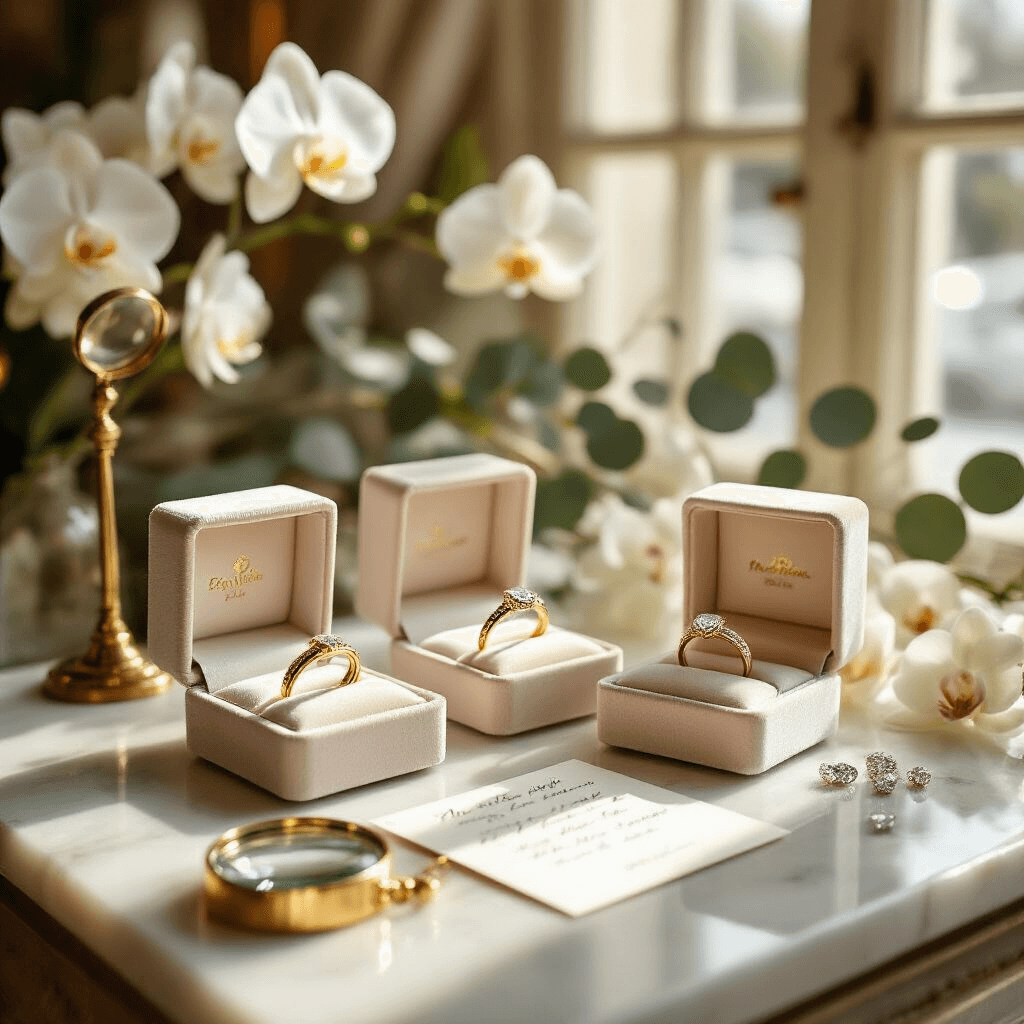
The Three Gold Ring Types That Actually Matter
Forget everything you think you know about gold rings. There are only three types worth considering, and each one tells a completely different story.
Yellow Gold: The Classic That Never Goes Wrong
Yellow gold rings are what your grandmother probably wore, and there’s a damn good reason for that.
This is gold in its most recognizable form. When jewelers mix pure gold with copper and silver, you get that warm, buttery color that screams “timeless elegance.”
Why I love yellow gold:
- Complements every single skin tone (seriously, I’ve never seen this fail)
- Requires almost zero maintenance
- Never goes out of style
- Shows fewer scratches than other types
The best part? Higher karat yellow gold is naturally hypoallergenic. If you’ve got sensitive skin, this might be your golden ticket.
Perfect for: Traditional brides, anyone who wants a “set it and forget it” ring, people with warm skin tones
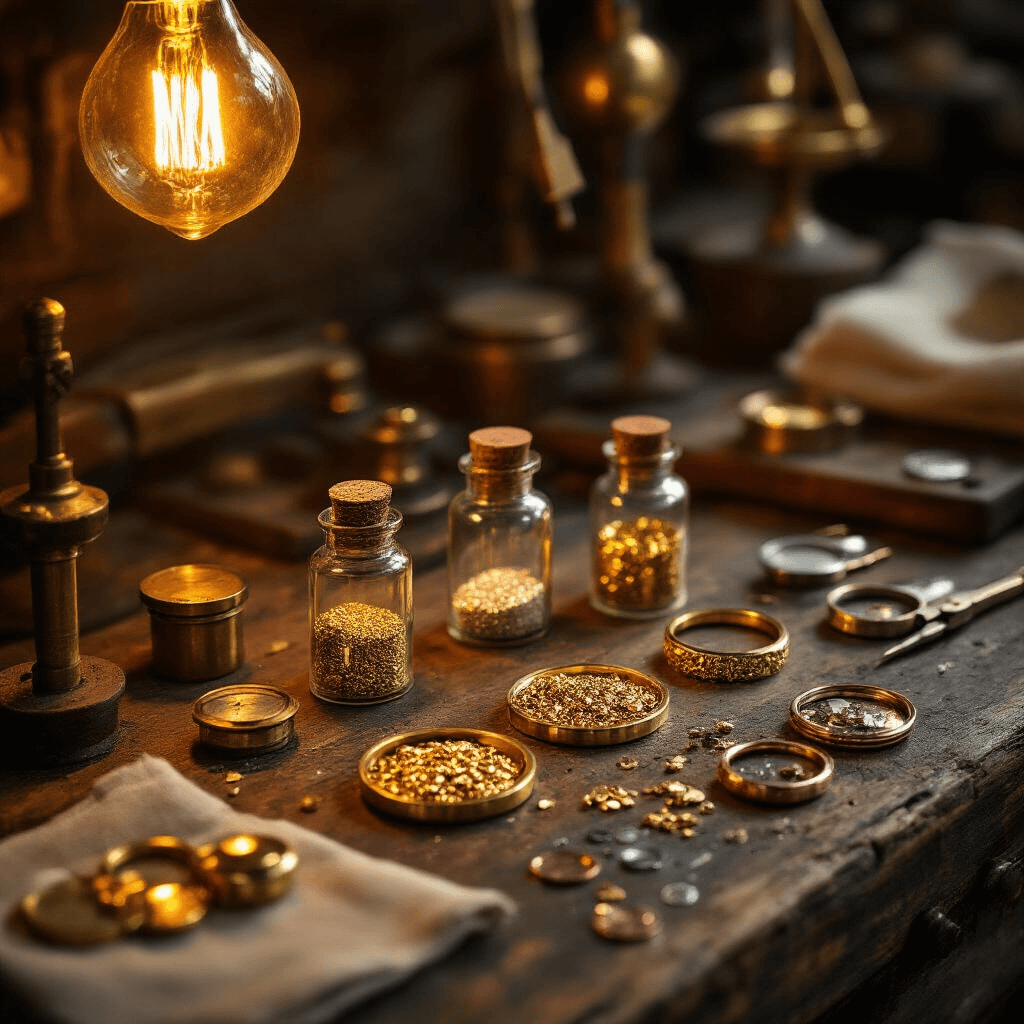
White Gold: The Modern Beauty With a High-Maintenance Secret
White gold rings look absolutely stunning in photos. They’re sleek, modern, and make diamonds pop like nothing else.
But here’s what jewelry stores won’t tell you upfront.
White gold isn’t naturally white. Jewelers mix gold with palladium, nickel, or silver, then coat it with rhodium to get that mirror-like finish.
The catch? That rhodium plating wears off. Usually within 2-3 years, depending on how much you wear the ring.
What this means for you:
- Budget for re-plating every few years ($75-150 each time)
- Your ring might cause allergic reactions if it contains nickel
- It’s actually more durable than yellow gold due to the alloy metals
I’ve seen brides panic when their white gold ring starts looking yellowish. This is completely normal. Just plan for regular maintenance.
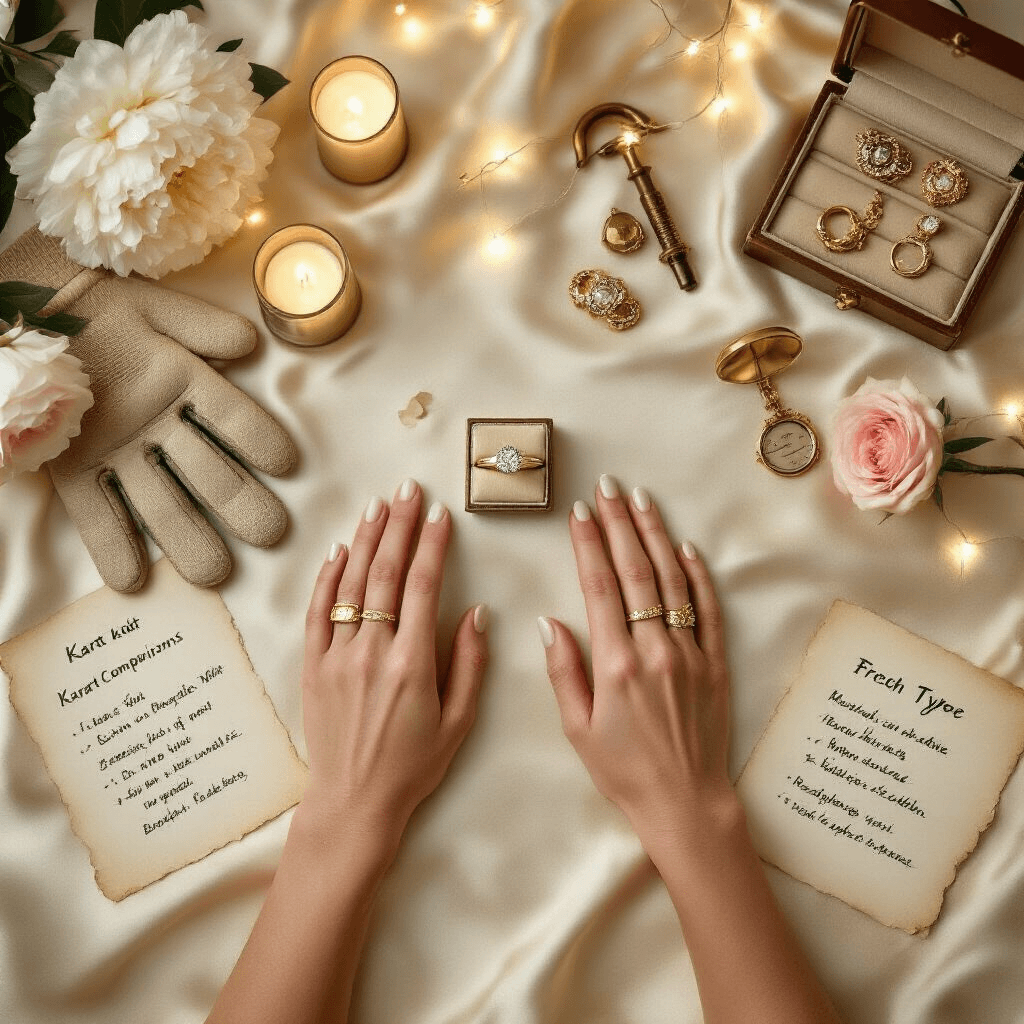
Rose Gold: The Romantic Choice That’s Tougher Than You Think
Rose gold rings have exploded in popularity, and I totally understand why.
That soft pink hue comes from mixing gold with copper. More copper equals a deeper rose color. It’s romantic, vintage-inspired, and surprisingly practical.
Here’s what makes rose gold special:
- More durable than yellow gold (thanks to that copper)
- The color doesn’t fade or need re-plating
- Looks incredible with vintage-style settings
- Complements cool and warm skin tones
My sister chose rose gold for her wedding ring three years ago. It still looks exactly like the day she got it. No special maintenance, no color changes, no drama.
The only downside? Some people are allergic to copper, though it’s pretty rare.
The Karat Game: Why 14K Beats 18K Every Single Time
This is where most people get confused. Higher karat sounds better, right?
Wrong.
Here’s the breakdown:
- 10K gold: 41.7% pure gold (harder, less expensive, paler color)
- 14K gold: 58.3% pure gold (sweet spot for most people)
- 18K gold: 75% pure gold (softer, more expensive, richer color)
14K gold is the champion for wedding rings.
Why am I so confident about this? Because I’ve seen the evidence firsthand.
Benefits of 14K gold:
- Perfect balance of durability and beauty
- Most affordable option without sacrificing quality
- Better color payoff for white and rose gold
- Less likely to bend or scratch with daily wear
My own wedding ring is 14K white gold. Four years later, it’s held up beautifully through everything I’ve thrown at it. Gym workouts, gardening, even that time I accidentally hit it with a hammer during a home renovation project.
Matching Your Gold to Your Lifestyle: The Real Talk
Your lifestyle should drive your gold choice, not Instagram trends.
For the Active Person
If you’re hitting the gym, rock climbing, or working with your hands, rose gold or 14K white gold are your best bets.
The copper in rose gold makes it incredibly durable. 14K white gold has enough alloy metals to withstand daily punishment.
For the Low-Maintenance Type
Yellow gold in 14K is your answer. No re-plating, no color changes, minimal upkeep required.
Just clean it occasionally with jewelry cleaning solution and you’re golden (literally).
For the Fashion-Forward Bride
White gold showcases diamonds and gemstones like nothing else. If your ring has intricate details or multiple stones, white gold makes everything pop.
Just budget for that rhodium re-plating every few years.
The Skin Tone Secret That Changes Everything
This might be the most practical advice I can give you.
Warm skin tones (yellow, peach, or golden undertones): Yellow gold and rose gold will make your skin glow. White gold might wash you out.
Cool skin