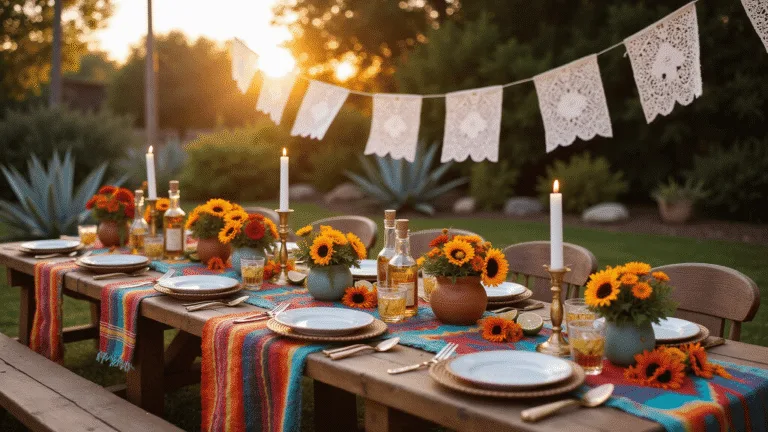
Transform Your Dining Experience with Perfect Place Settings That Actually Wow Your Guests
Transform Your Dining Experience with Perfect Place Settings That Actually Wow Your Guests
Contents
Place setting arrangements can make or break your dinner party, and I’ve learned this the hard way after countless hosting disasters.
You know that sinking feeling when your carefully planned dinner turns into chaos because nobody knows which fork to use? Or when your beautiful table looks like a cafeteria setup despite your best efforts?
I’ve been there, staring at my dining table wondering why something felt so off. The food was great, the company was perfect, but the whole experience just felt… amateur.
Why Your Current Table Setup Isn’t Working
Most of us think we know how to set a table. We throw down some plates, scatter the silverware, and call it done.
But here’s what I discovered after years of trial and error: place setting success isn’t about following stuffy rules. It’s about creating a visual story that makes your guests feel special from the moment they sit down.
The difference between a good dinner and an unforgettable one often starts before anyone takes their first bite.
The Three Pillars That Make or Break Your Place Settings
Every successful place setting relies on three core elements that work together like a well-rehearsed orchestra:
Dinnerware: Your Foundation
Your dinner plates are the star of the show. They set the entire mood for your meal.
I learned this lesson when I tried mixing my everyday plates with fancy glasses for a dinner party. The clash was so jarring that even my most polite friends couldn’t hide their confusion.
What works:
- Choose plates that reflect your event’s vibe
- Stick to one style family (don’t mix formal with casual)
- Consider the size – oversized plates make portions look small
- White or neutral plates never go wrong
Pro tip: Invest in quality dinner plates that can transition from casual to formal with different accessories.
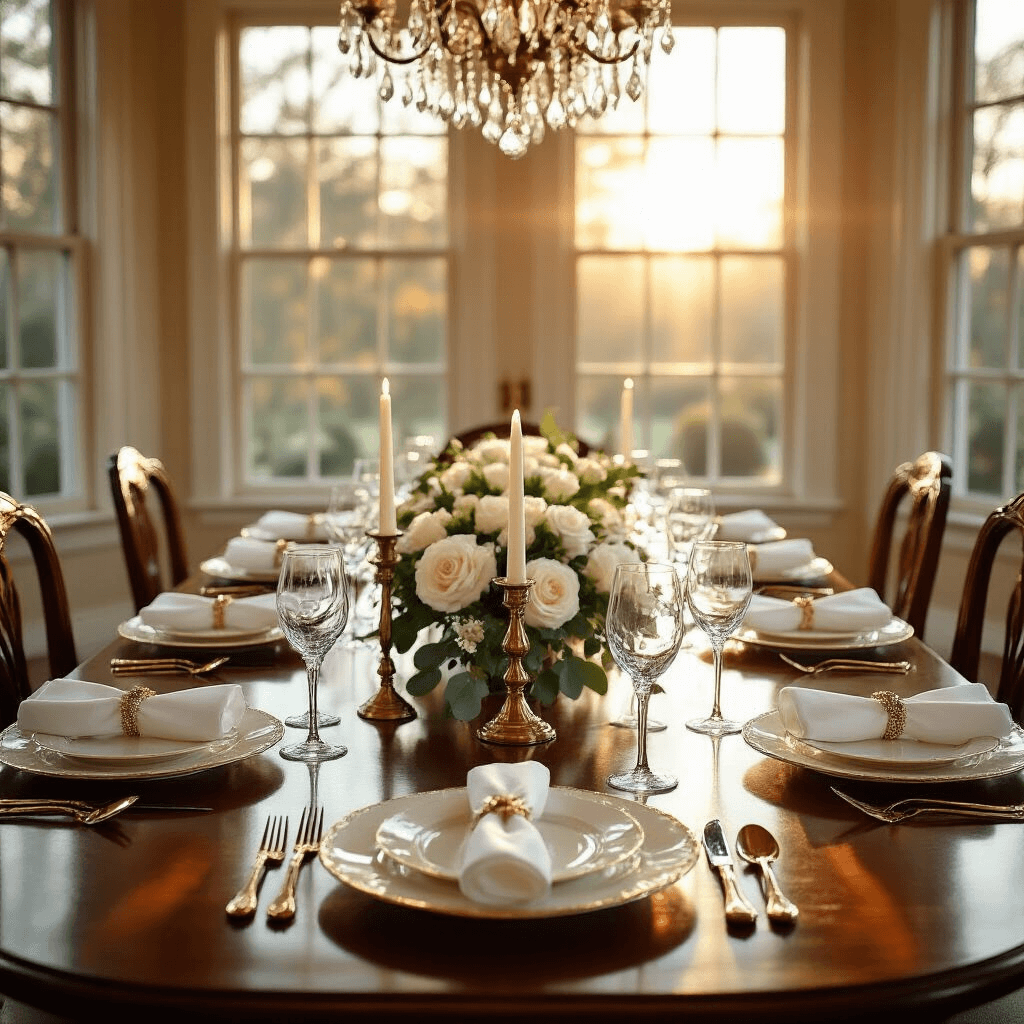
Flatware: The Supporting Cast
Your forks, knives, and spoons need to complement your plates, not compete with them.
I once bought ornate silverware that was so distracting, my guests spent more time admiring the utensils than eating. Beautiful? Yes. Functional for conversation? Not so much.
Smart choices:
- Match the weight and style to your dinnerware
- Consider the comfort factor – heavy utensils can be tiring
- Matte finishes hide water spots better than shiny ones
- Think about maintenance before you buy
A good flatware set should feel substantial in your hand without being cumbersome.
Drinkware: The Finishing Touch
Glasses can elevate your entire table or make it look like a college dorm. The key is proportion and purpose.
I used to put out every glass I owned, thinking more options meant better hospitality. Wrong. It created clutter and confusion.
Keep it simple:
- One water glass per person (always)
- Add wine glasses only if you’re serving wine
- Match the formality level to your plates
- Clean, streak-free glasses are non-negotiable
Quality wine glasses can transform even a simple meal into something special.
The Step-by-Step Setup That Never Fails
Forget complicated diagrams and confusing rules. Here’s the foolproof method I use every time:
Start with the plate:
- Center it in front of each chair
- Leave about 24 inches between place settings
- Make sure plates align with the edge of the table
Add the napkin:
- On top of the plate (casual)
- To the left of the fork (formal)
- Under the fork (when space is tight)
Position the flatware:
- Fork goes left of the plate
- Knife goes right, blade facing the plate
- Spoon goes right of the knife
- Keep everything about an inch from the plate edge
Place the glasses:
- Water glass above the knife
- Wine glass slightly to the right and forward
- Keep them close enough to reach easily
This basic arrangement works for 90% of dining situations. No stress, no confusion, just clean and functional.
Design Styles That Actually Work in Real Life
Forget Pinterest perfection. Let’s talk about styles that look good AND function for real people with real budgets.
Classic Elegance Without Breaking the Bank
You don’t need heirloom china to create sophistication.
The secret sauce:
- Crisp white plates as your base
- Add one metallic element (napkin rings, chargers, or utensils)
- Use cloth napkins in a coordinating color
- Keep centerpieces low and simple
I transformed my basic white dinnerware with gold charger plates for my last dinner party. The effect was dramatic, and guests thought I’d bought new dishes.
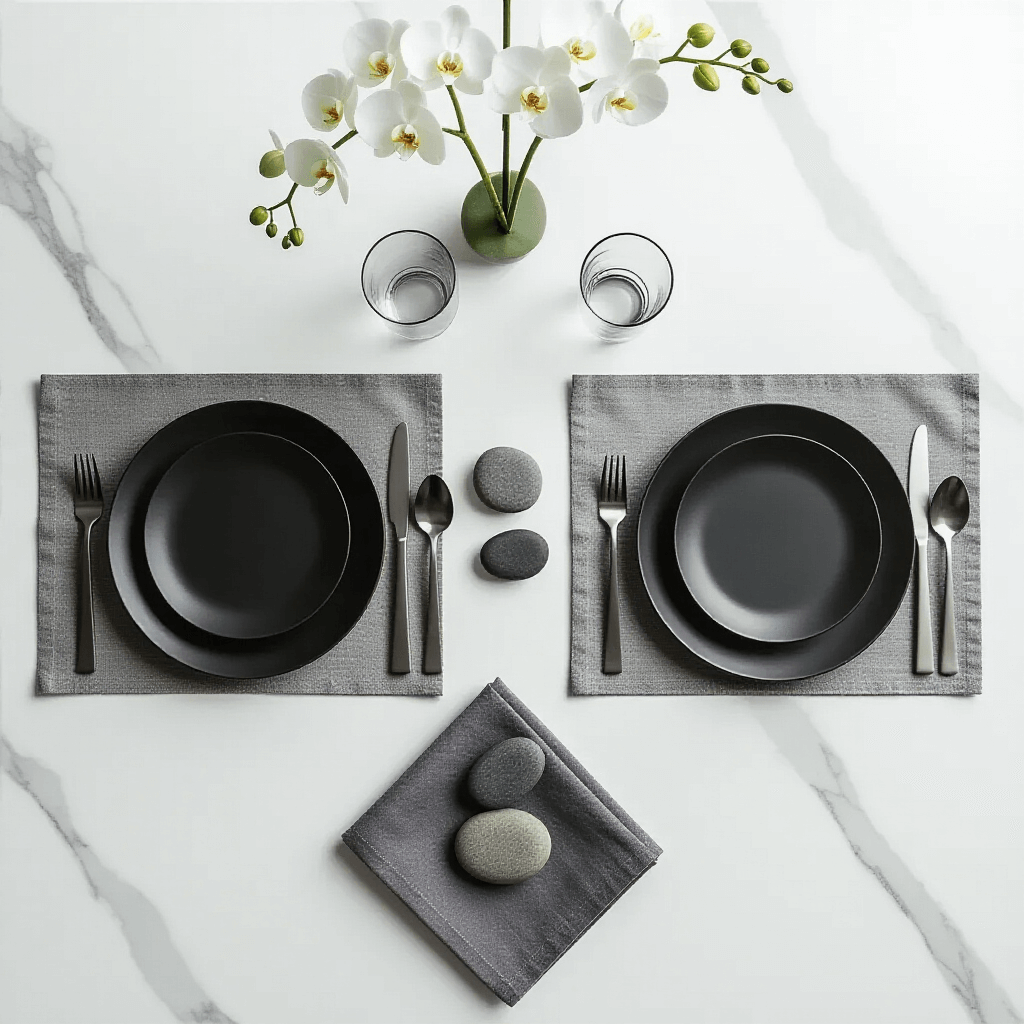
Modern Minimalism That’s Actually Livable
Clean lines don’t have to mean cold or sterile.
Make it work:
- Choose geometric shapes over ornate patterns
- Stick to a maximum of three colors
- Mix textures (smooth plates with textured placemats)
- Let negative space be part of the design
The beauty of modern style is its forgiveness. Imperfections become intentional when everything else is clean and simple.
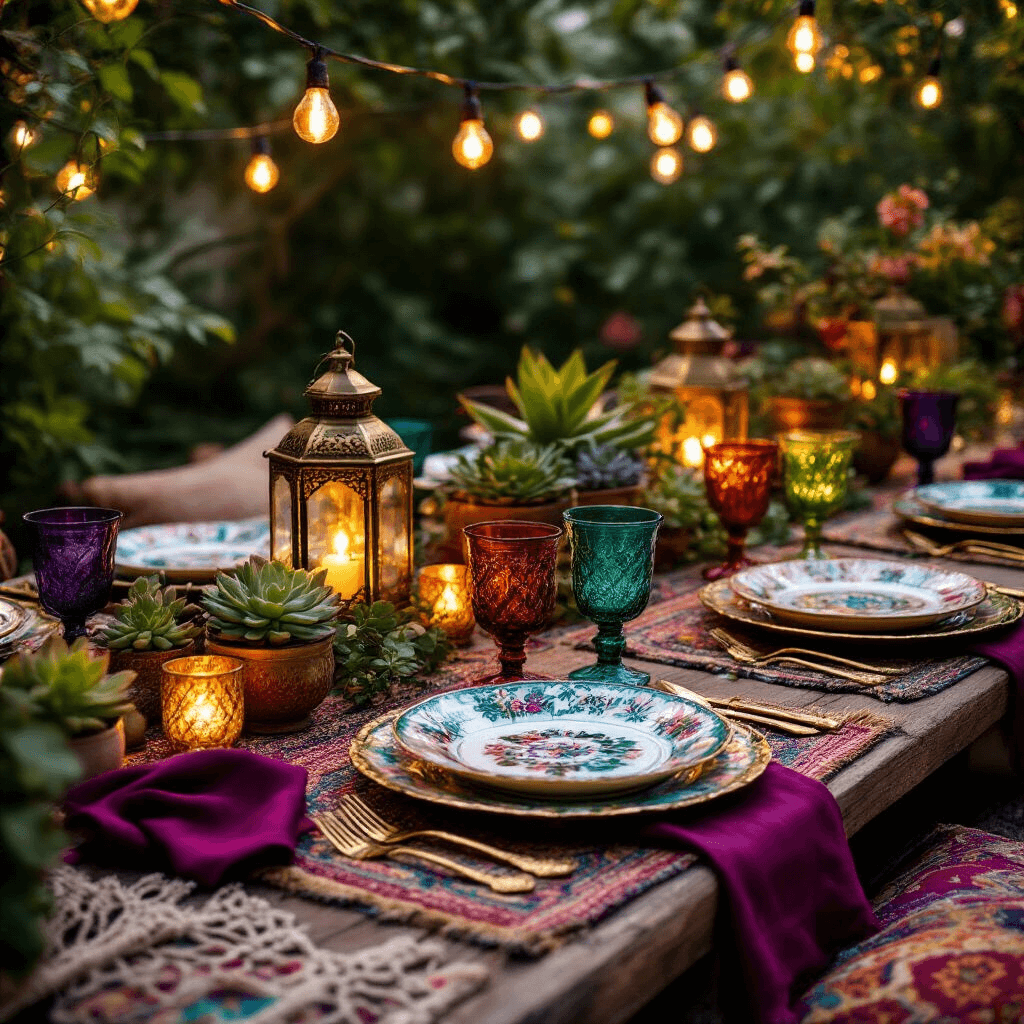
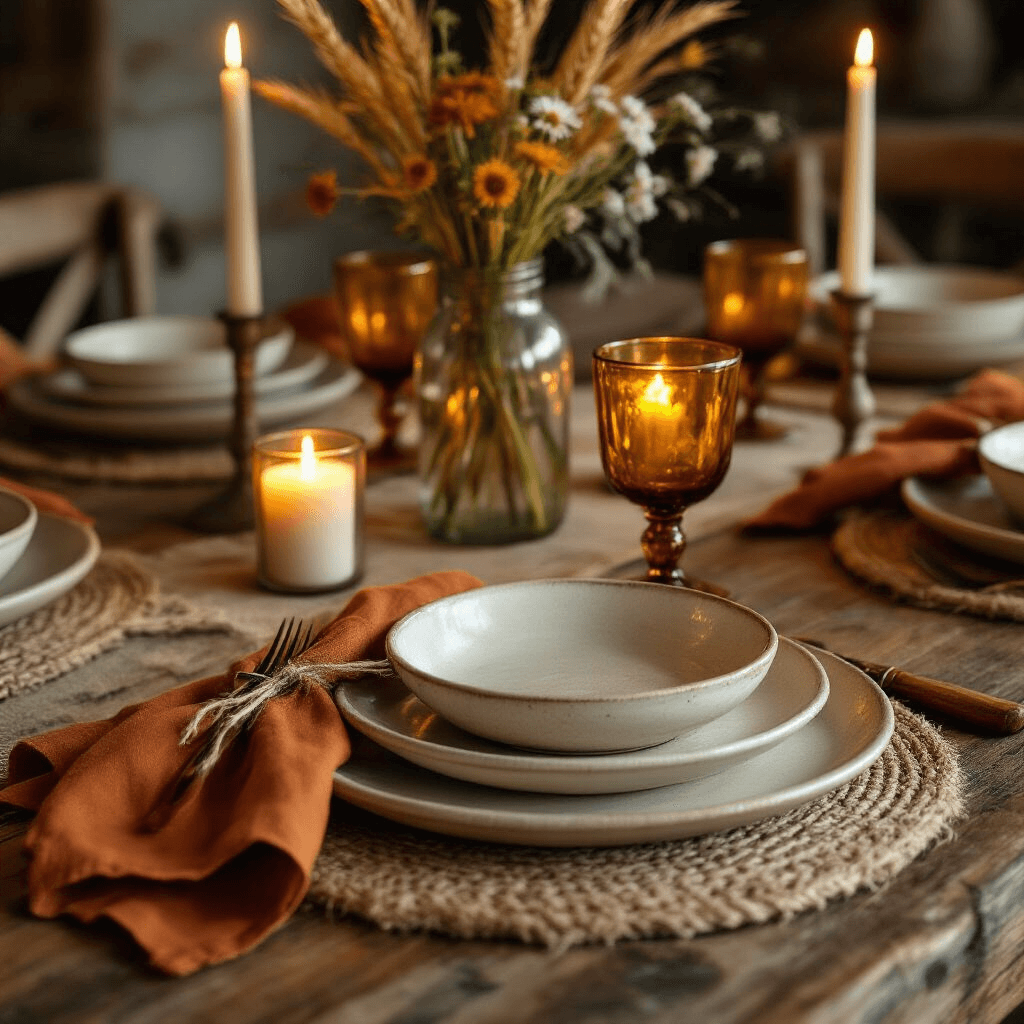
Rustic Charm Without Looking Like a Theme Restaurant
Rustic can be elegant when done right.
Key elements:
- Natural materials that feel substantial