The Complete Guide to Perfect Place Settings That Will Transform Your Dining Experience
Place Settings: The Secret Weapon for Dining Experiences
**Place settings** are the secret weapon that transforms any ordinary meal into an unforgettable dining experience, yet most of us panic when faced with more than one fork at a dinner party.
I still remember the mortifying moment when I attended my first formal dinner and spent ten minutes staring at the bewildering array of silverware, wondering if I’d accidentally wandered into a surgical instruments display. That embarrassing evening sparked my obsession with mastering the art of table setting.
After hosting hundreds of dinner parties and experimenting with everything from casual weeknight dinners to elaborate holiday feasts, I’ve learned that perfect place settings aren’t about intimidation – they’re about creating comfort and flow for your guests.
Why Your Place Setting Game Needs an Upgrade
Most people think place settings are stuffy etiquette rules from the Victorian era. **Wrong.** A thoughtfully arranged table setting is like a well-choreographed dance that guides your guests seamlessly through the meal.
Think about it – when everything has its place, your guests never have to awkwardly reach across the table or wonder which glass belongs to them. It’s hospitality in action.
The Foundation: Essential Place Setting Components
Every successful place setting starts with these four non-negotiables:
The Dinner Plate: Your Canvas
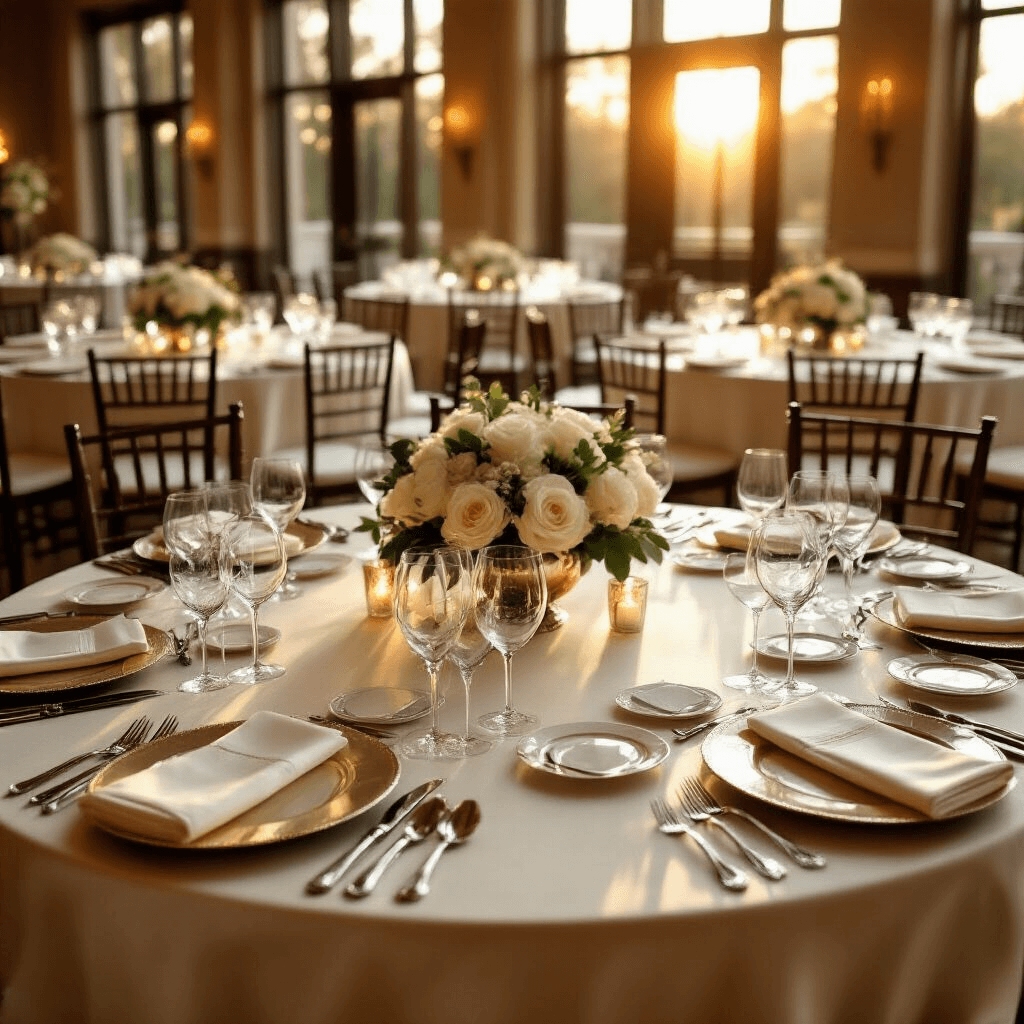
The dinner plate sits center stage, about one inch from the table edge. This becomes your anchor point for everything else.
I learned this the hard way during my sister’s wedding reception when I placed plates randomly around the table. Guests spent the entire evening playing musical chairs just trying to figure out where they belonged.
Flatware: The Supporting Cast
Here’s where most people get confused, but I’ve got a simple rule that changed everything for me: **Outside in, people. Outside in.**
- Left side: Forks arranged in order of use, starting from the outside
- Right side: Knives (blades facing the plate) and spoons, again outside to inside
When I explain this to guests, I tell them to think of it as unwrapping a present – you work your way toward the center with each course.
Napkins: The Unsung Hero
Your cloth napkins can sit three places:
- On the dinner plate (my go-to for casual meals)
- To the left of the forks
- Creatively folded as a centerpiece element
Glassware: The Finishing Touch
Position your wine glasses above and slightly to the right of the knife. Water glass goes directly above the knife tip.
Casual Place Settings: Everyday Elegance Made Simple
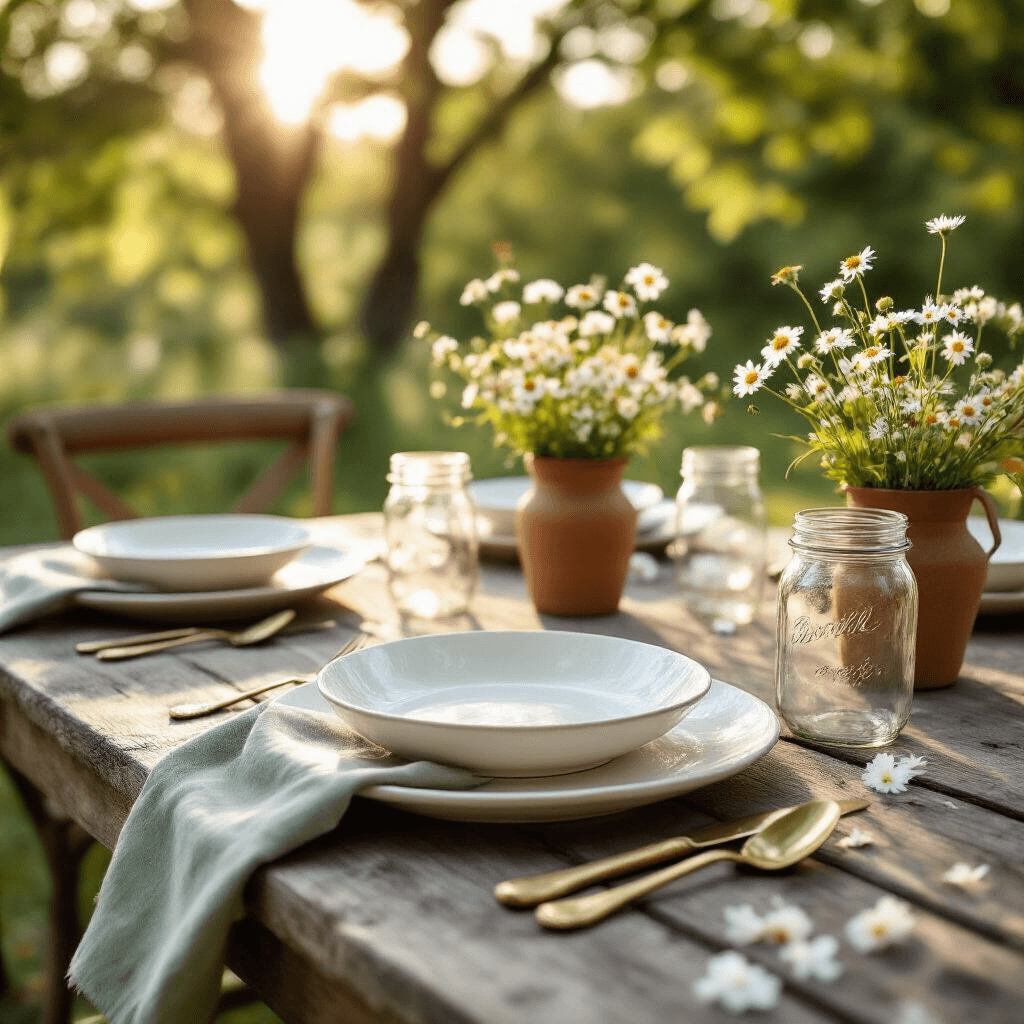
Casual doesn’t mean careless. I use this setup for family dinners, weekend brunches, and weeknight entertaining.
The Lineup:
- One dinner plate as your foundation
- One fork (left side)
- One knife (right side, blade facing in)
- One spoon (right of the knife)
- One glass for water or wine
- Napkin placed casually beside the fork or on the plate
Pro tip I learned from my grandmother: Even casual settings benefit from alignment. Keep everything about an inch from the table edge, and your “casual” table will look intentionally relaxed rather than haphazard.
Formal Place Settings: When You Want to Impress
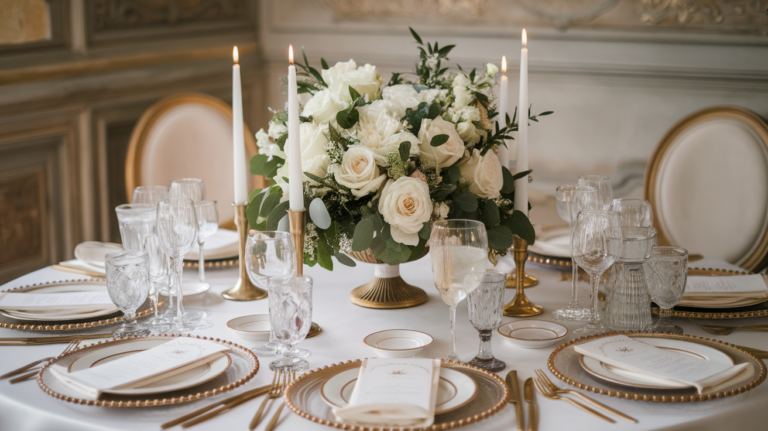
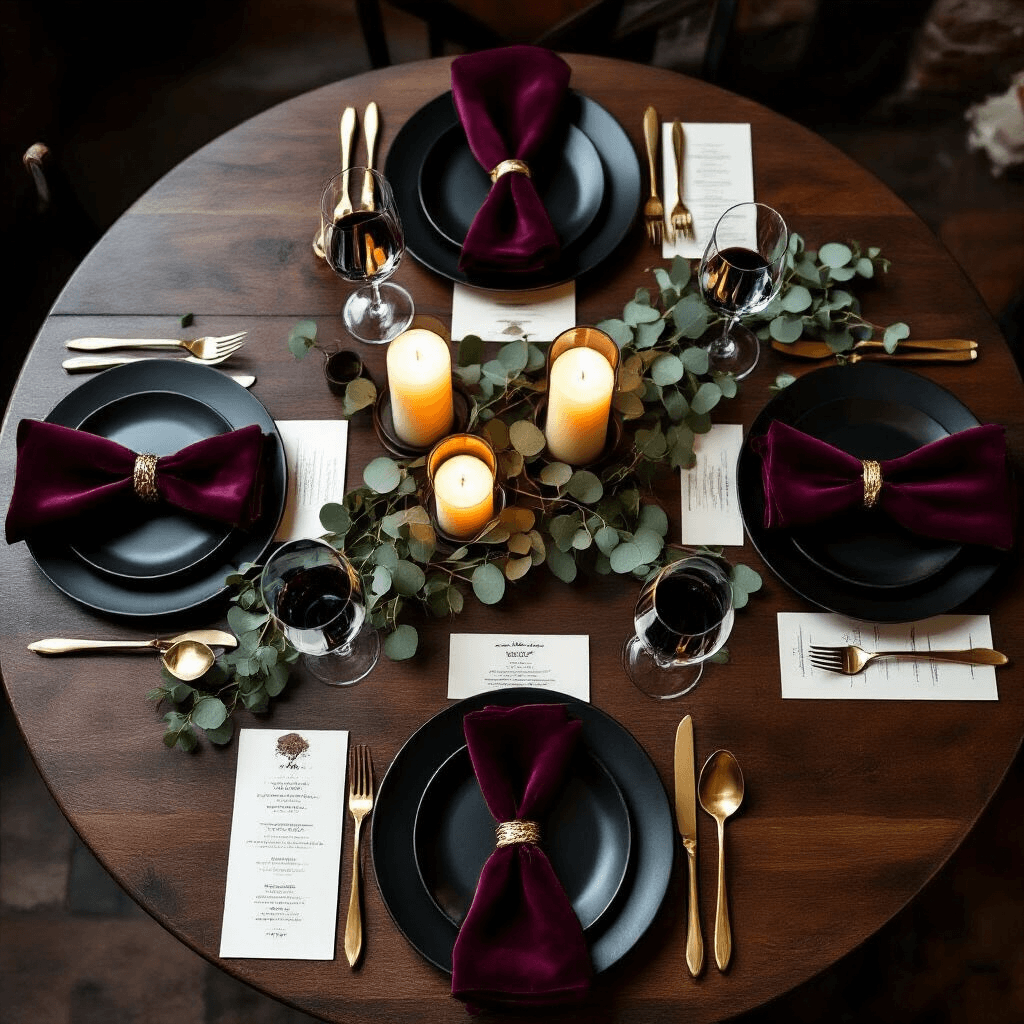
Formal place settings are where the magic happens. This is your chance to create an experience that guests will remember for years.
The Multi-Course Setup
Plates (bottom to top):
- Charger plate (stays throughout the meal)
- Dinner plate
- Salad plate (removed after the salad course)
Left Side Lineup:
- Salad fork (outermost)
- Dinner fork (closest to plate)
Right Side Arsenal:
- Dinner knife (blade facing plate)
- Soup spoon (if serving soup)
- Dessert spoon (sometimes placed horizontally above the plate)
The Upper Deck:
- Bread plate positioned above the forks
- Butter knife laid horizontally across the bread plate
- Water glass above the knife tip
- Wine glasses in order of use, creating a gentle arc
The 8-Inch Rule That Changed My Life
I discovered this gem while working with a professional event planner: everything should be positioned exactly 8 inches from the table edge and aligned on an invisible baseline.
This creates visual harmony that your guests will feel even if they can’t pinpoint why everything looks so perfect.
Advanced Arrangement Principles That Actually Matter
The Order-of-Use Logic
Western place setting tradition follows one brilliant principle: work from outside to inside as courses progress.
Your guests start with the outermost utensils and move inward with each course. It’s like leaving breadcrumbs through the meal journey.
The Knife Blade Secret
Always position knife blades facing toward the plate. This isn’t just etiquette – it’s practical safety and creates visual cohesion.
The Glassware Hierarchy
When you’re serving multiple beverages, arrange glasses in order of use:
- Water glass (essential, always present)
- White wine glass (if serving fish or lighter courses)
- Red wine glass (for meat courses or robust dishes)
- Champagne flute (for toasts or celebrations)

Post navigation
Similar Posts
Creating a Sacred Jewish Wedding Reception: Design Elements That Honor Tradition and Celebrate Love
Creating a Sacred Jewish Wedding Reception: Design Elements That Honor Tradition and Celebrate Love Jewish wedding receptions require thoughtful planning that honors ancient traditions while…
Wedding Dress Flowers: Your Ultimate Style Guide to Blooming Bridal Fashion
Wedding Dress Flowers: Your Ultimate Style Guide to Blooming Bridal Fashion Are you dreaming of a wedding dress that captures the essence of romance, nature,…
how to renew your wedding vows
So you’re thinking about renewing your wedding vows. Cute. Bold. Slightly brave. And honestly? I love that for you. Vow renewals aren’t about fixing something…
1st Anniversary Cake: A Sweet Celebration of Love’s First Chapter
1st anniversary celebration Cake: A Sweet Celebration of Love’s First Chapter Why do couples obsess over first anniversary cakes? Because they’re not just desserts –…
35 Stunning Romantic Wedding Table Settings for Your Special Day
Romantic wedding table settings create an inviting atmosphere that makes every guest feel special. Think delicate florals, soft candlelight, and charming tableware that resonate with…
Why Your Table Setting Actually Matters More Than You Think
Why Your Table Setting Actually Matters More Than You Think Here’s the thing nobody tells you about table settings. They’re not just about following some…