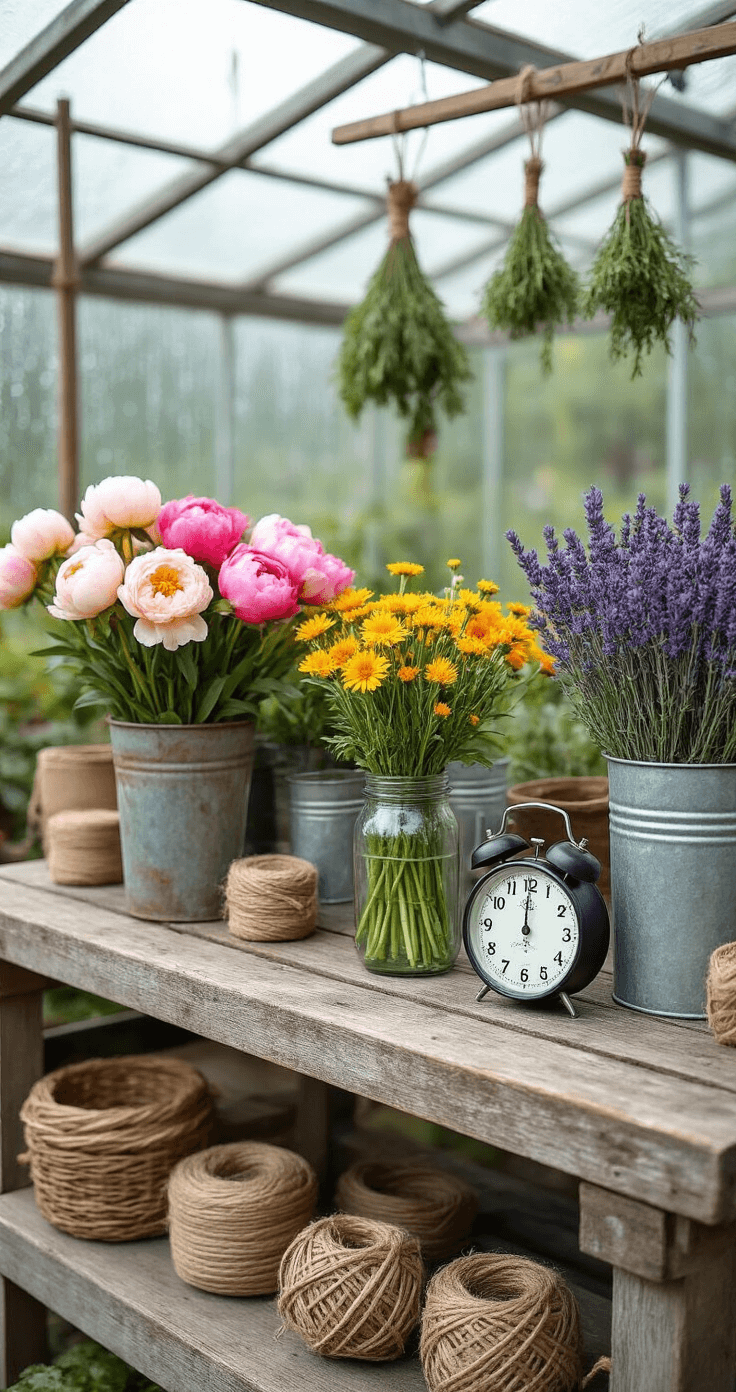
How to Make a Flower Crown That Won’t Fall Apart (Trust Me, I’ve Been There)
The Two Methods That Actually Work for Flower Crown Making
Contents
After making dozens of these beauties (some spectacular failures, some Instagram-worthy wins), I’ve narrowed it down to two foolproof approaches.
Wire-based crowns for that professional look that lasts all day. Braided daisy chains for the free-spirited, no-tools-needed vibe.
Both work brilliantly when you know the secrets.
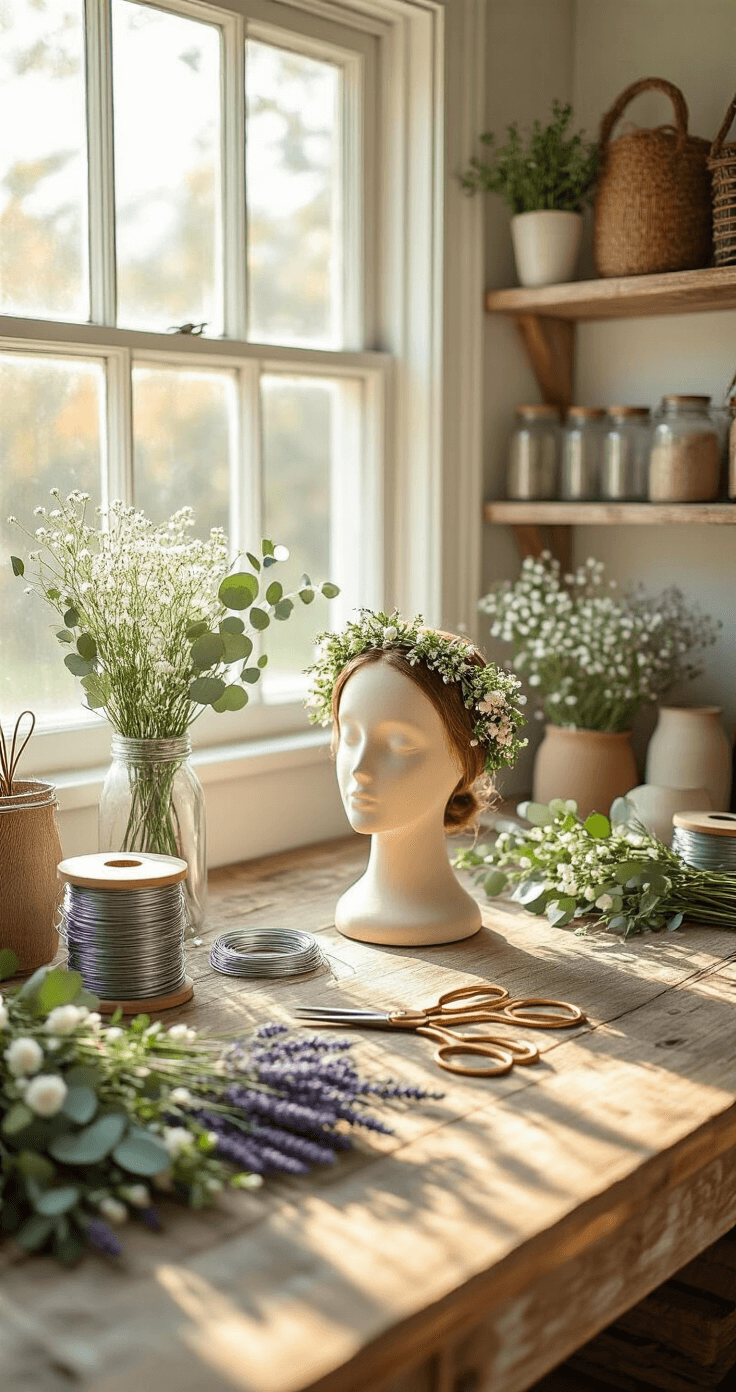
Wire-Based Method: My Go-To for Events That Matter
This is my ride-or-die method when I need a flower crown that won’t quit on me.
What You Actually Need (No Fancy Stuff)
- Floral wire or craft wire
- Floral tape (this stuff is magic)
- Fresh flowers with stems cut to 1½ to 2-3 inches
- Sharp floral scissors
- Optional: ribbon for adjustment
Step-by-Step (The Way That Actually Works)
1. Create Your Base Like a Pro
Measure around your head where you want the crown to sit. Add half an inch for comfort – nobody wants a tight flower crown giving them a headache. Cut your wire to this length.
Here’s my secret: wrap the wire around itself twice to create a thicker, more stable base. Your flowers will thank you for the extra support.
2. Make It Comfortable (Learn From My Mistakes)
Remember that wire I mentioned poking my scalp? Yeah, that’s why we wrap the entire base with floral tape.
Stretch the tape slightly as you wrap – it activates the adhesive and creates cushioning. This step separates amateur flower crowns from professional-looking ones.

3. Prep Your Flowers Right
Cut stems short but not too short. I learned the hard way that tiny stems don’t give you enough to work with.
Pro move: Create small bunches of 2-3 flowers taped together before attaching to the crown. This creates fuller, more intentional-looking clusters.
4. The Golden Rule of Flower Attachment
Here’s the game-changer that took me way too long to figure out: Bloom over stem, always.
Each new flower’s head should cover the previous stem. It’s like shingling a roof, but with petals.
Start at one end and work your way around:
- Place flowers on top of the wire
- Add some to the sides
- Tuck a few underneath for dimension
Use floral tape or thin craft wire to secure each stem. Wrap tightly but don’t strangle the poor flowers.
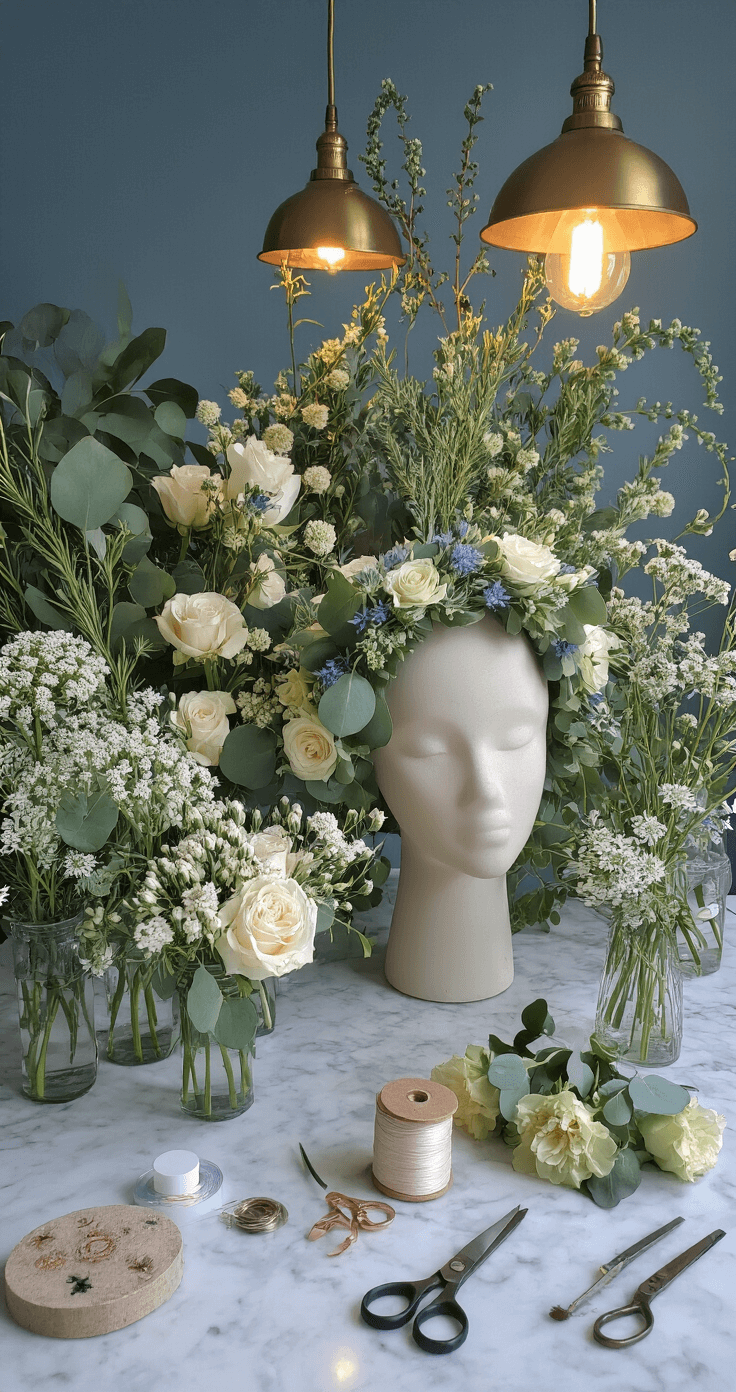
5. Finish Like a Boss
When you’ve worked your way around the entire crown, you’ll have stems meeting stems at the connection point. This is where many crowns fall apart.
Overlap the stems generously and tape the heck out of that connection. If you’re using ribbon ties, leave them loose enough to adjust the fit later.
Braided Daisy Chain: For the Wild Child in You
Sometimes you just want to channel your inner flower child without any tools or fuss.
Find a field of daisies, dandelions, or clover – anything with soft, bendable stems.
Start with three long-stemmed flowers. Braid them together like you’re doing someone’s hair. Every inch or so, weave in a new flower to keep the chain going.
When your chain is long enough to circle your head, tuck the ends together and secure by weaving the stems through each other.
It’s rustic, it’s charming, and it costs absolutely nothing.
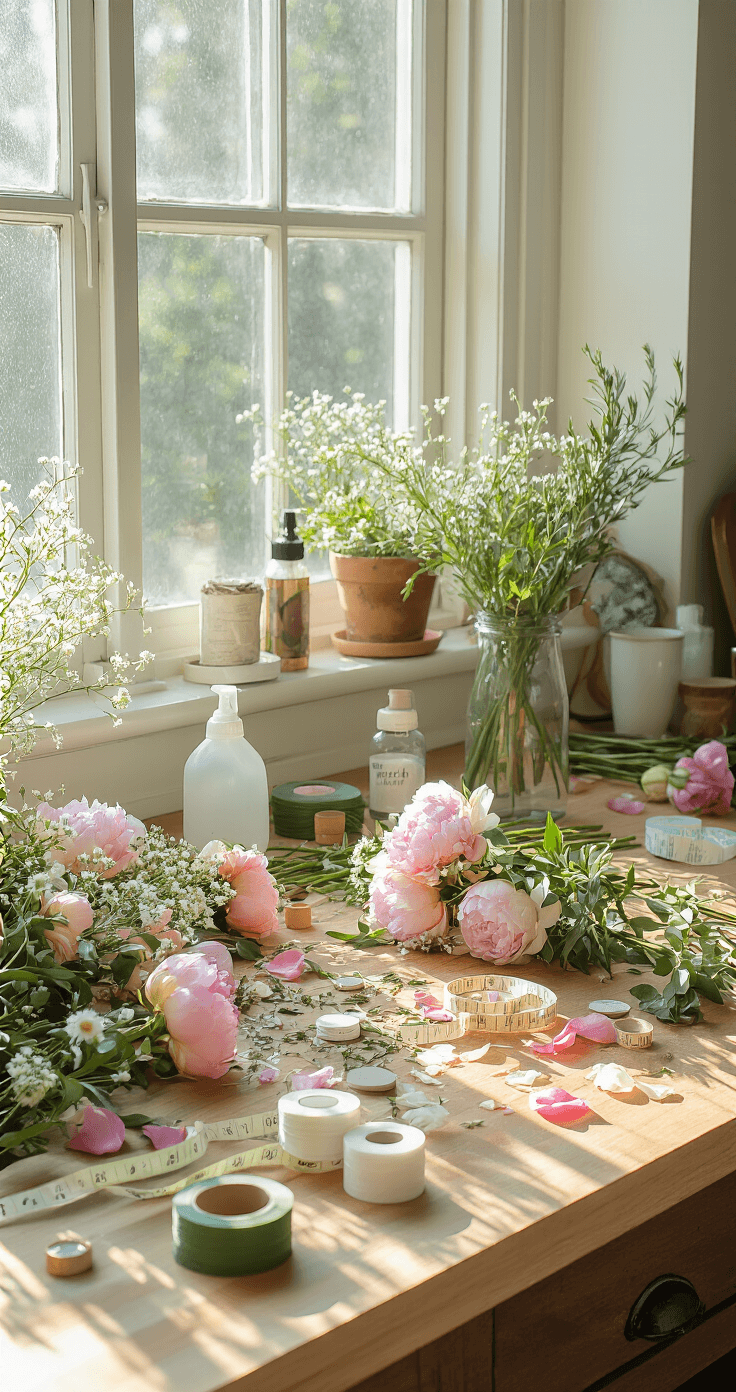
Flowers That Won’t Let You Down
After killing more flowers than I care to admit, I’ve learned which ones are actually flower crown material.
The MVPs (Most Valuable Petals)
- Rosemary and lavender – smell amazing and last forever
- Spray roses – smaller than regular roses but just as gorgeous
- Eucalyptus – the backbone of any good crown
- Strawflower – literally designed to last
- Baby chrysanthemums – tiny but mighty
Perfect Fillers That Add Magic
- Baby’s breath – classic for a reason
- Astilbe – feathery texture that photographs beautifully
- Statice – comes in amazing colors and holds up
- Feverfew – looks like tiny daisies

The Mistakes I Made So You Don’t Have To
Mistake #1: Using flowers that wilt immediately out of water. Peonies are gorgeous, but they’re drama queens that won’t last an hour.
Mistake #2: Making the crown too tight. Your head swells slightly throughout the day, especially if it’s warm. Always add that extra half-inch.
Mistake #3: Skipping the floral tape base wrap. Wire against skin equals discomfort and potential injury. Don’t skip this step.
Mistake #4: Adding too many flowers too close together. Sometimes less is more. Give your blooms room to breathe and be seen.