Indian Wedding Traditions: Everything You Need to Know About These Sacred Ceremonies
What Happens Before the Big Day: Pre-Wedding Ceremonies That Set the Tone
The Roka Ceremony: Making It Official
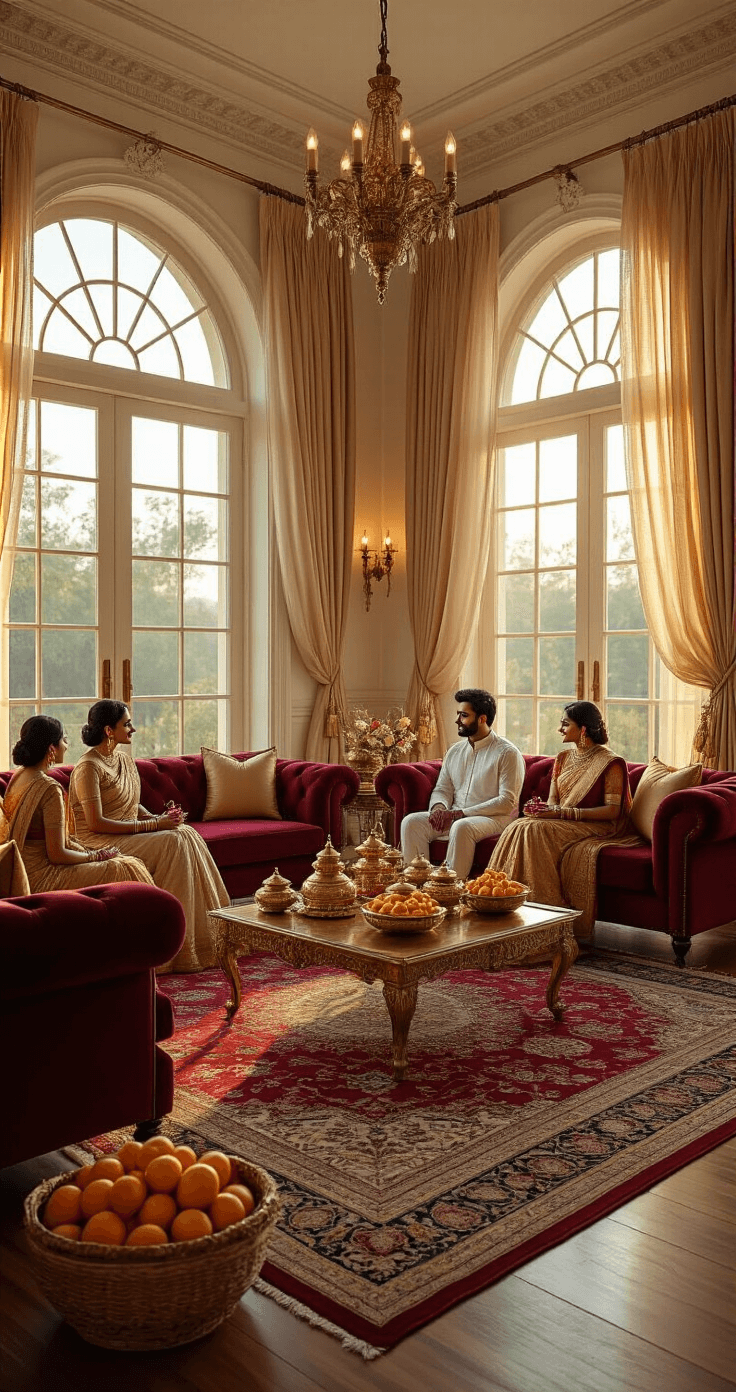
The Roka ceremony kicks off the wedding festivities. Think of it as the Indian equivalent of an engagement party, but with way more meaning.
Both families gather to formally announce the couple’s commitment. The magic happens through gift exchanges:
– Sweets (usually homemade by the bride’s family)
– Clothes for the couple and immediate family members
– Fresh fruits arranged in beautiful baskets
– Jewelry for the bride-to-be
I’ve seen families present stunning traditional Indian sweet boxes that become keepsakes long after the wedding.
Pro tip: If you’re attending a Roka ceremony, dress in bright colors but avoid red (that’s reserved for the bride).
Sangeet and Tilak: Music, Dance, and Divine Protection
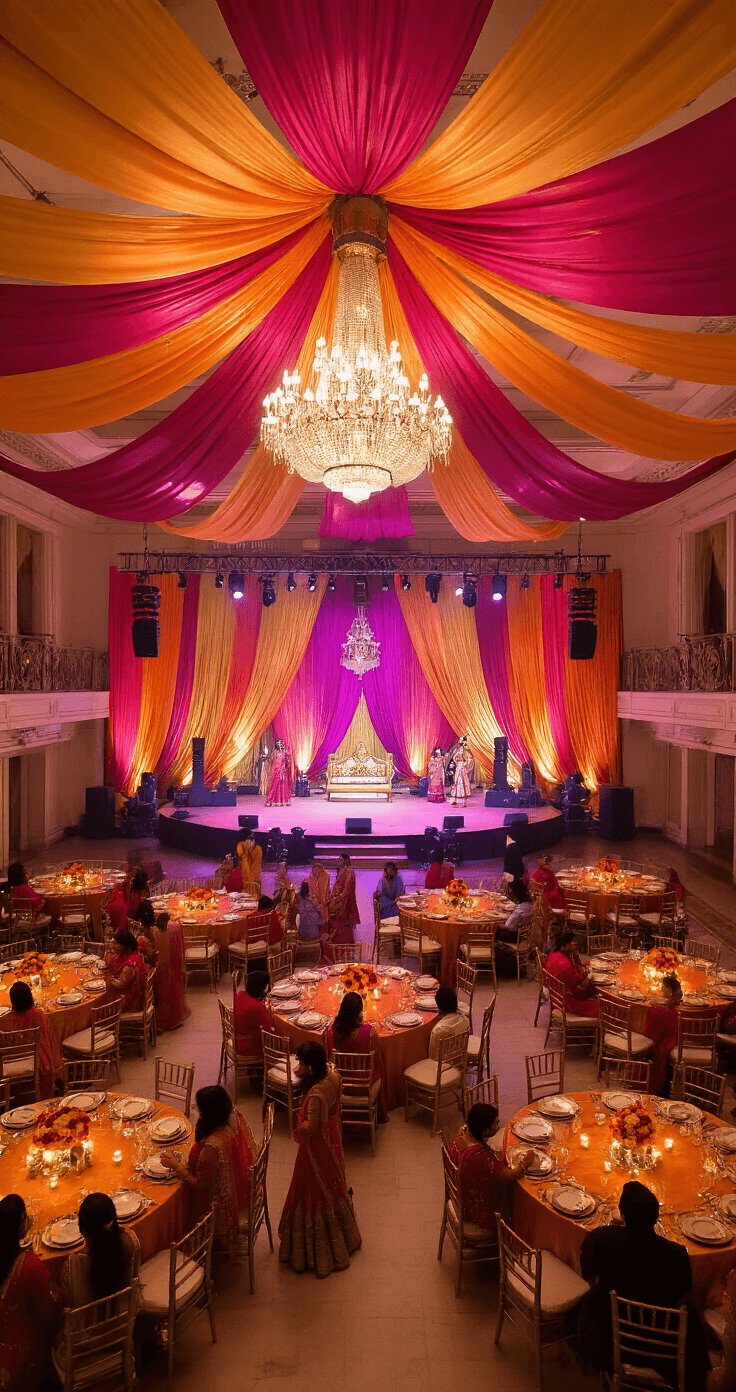
The Sangeet ceremony transforms any space into a Bollywood movie set. Families compete in dance performances, aunties show off moves they’ve been practicing for months, and everyone forgets their inhibitions.
The Tilak ceremony happens simultaneously. The groom’s forehead receives a red dot (tilka) from the bride’s family members. This isn’t just decoration – it’s spiritual protection against evil spirits during the vulnerable wedding period.
What you’ll need for hosting:
– Professional sound system for the music
– Comfortable seating arrangements for elderly relatives
– Traditional tilak accessories including kumkum and rice
Mehendi: The Art of Henna and Celebration
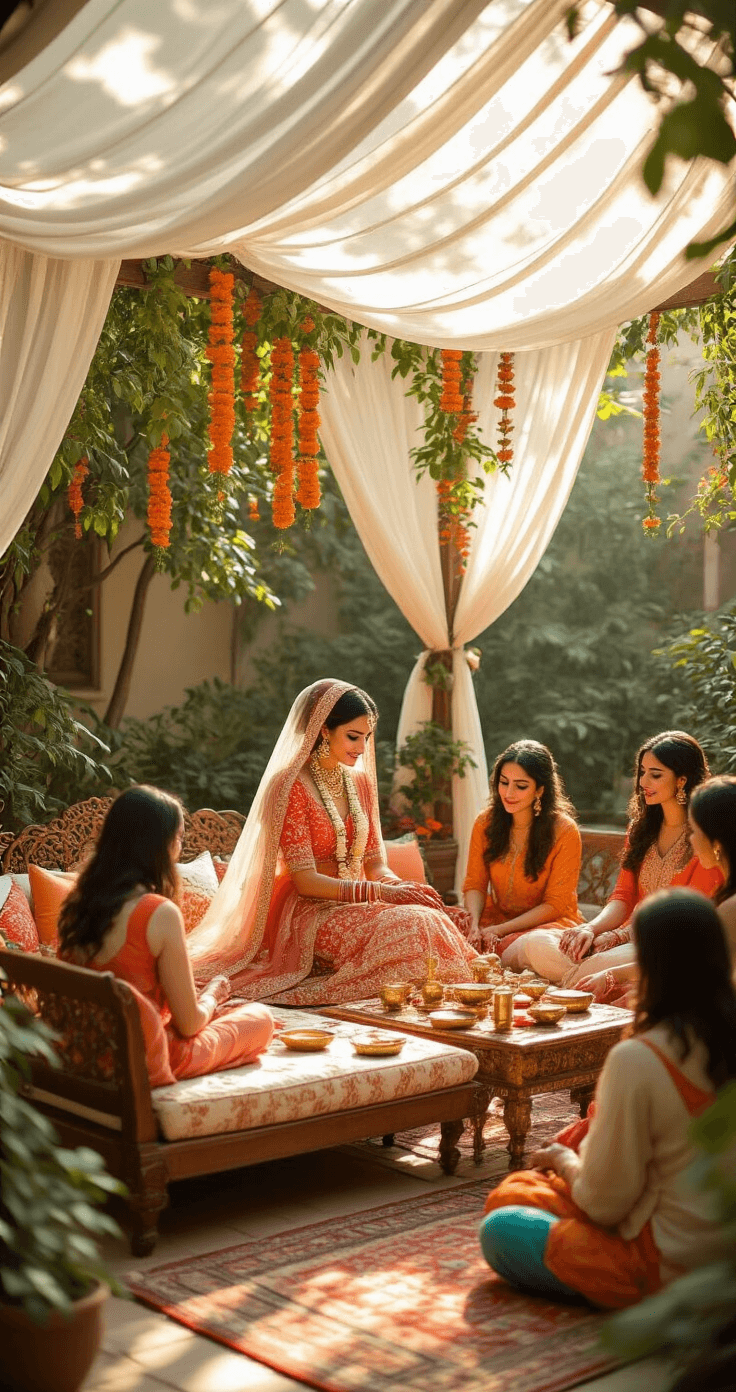
The Mehendi ceremony deserves its own spotlight. The bride sits patiently for hours while skilled artists create intricate henna designs on her hands and feet.
Meanwhile, guests dance, sing, and share stories about the couple. The darker the henna stains, the stronger the love between husband and wife (according to tradition).
Essential supplies for a successful Mehendi:
– High-quality henna cones
– Comfortable cushions for the bride
– Lemon and sugar mixture to darken the stain
– Mehendi design books for inspiration
Wedding Day Magic: When Sacred Meets Spectacular
Baraat: The Groom’s Grand Entrance
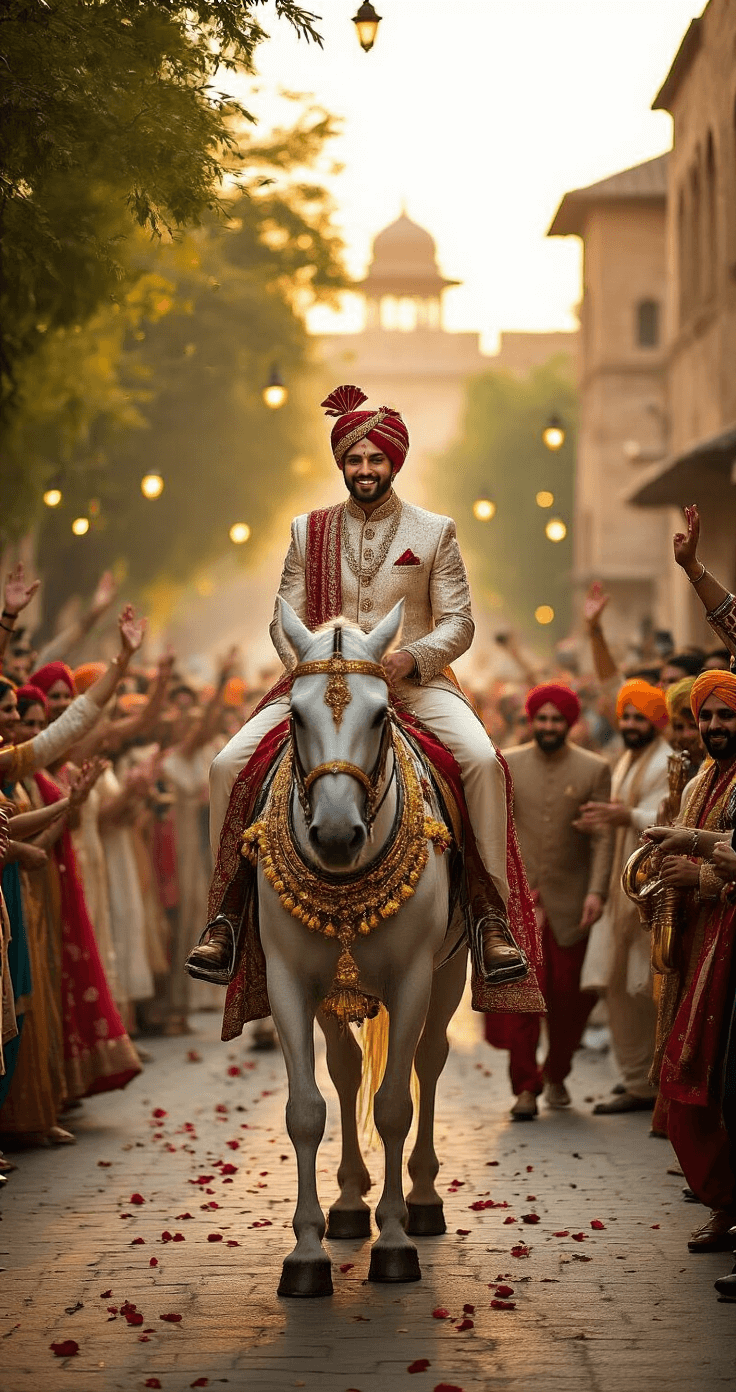
Picture this: drums beating, relatives dancing in the streets, and the groom arriving on a decorated horse. That’s the Baraat, and it’s exactly as amazing as it sounds.
Modern grooms might choose:
– Decorated cars instead of horses
– Elephants (where legally permitted)
– Horse-drawn carriages
– Even motorcycles for the unconventional couple
The bride’s family waits at the venue entrance, ready for the next beautiful ritual.
Var Satkar and Madhu Parka: Welcoming the Groom as Family
The bride’s mother performs the **Var Satkar ceremony**. She welcomes the groom with aarti (a lamp ceremony) and treats him like her own son.
Then comes Madhu Parka. The bride’s father feeds the groom Panchamrita – a sacred mixture of yogurt, honey, sugar, ghee, and milk. It’s symbolic nourishment before the spiritual ceremonies begin.
The Sacred Heart: Central Wedding Rituals That Bind Two Souls
Jaimala: The First Promise
The Jaimala ceremony always brings tears to my eyes. The bride and groom exchange flower garlands, publicly accepting each other as life partners.
The flower garlands represent:
– Acceptance of each other’s flaws and strengths
– Promise to support one another
– Beginning of their journey as equals
Friends often lift the groom on their shoulders, making him “unreachable” while the bride tries to garland him. It’s playful competition before the serious vows begin.
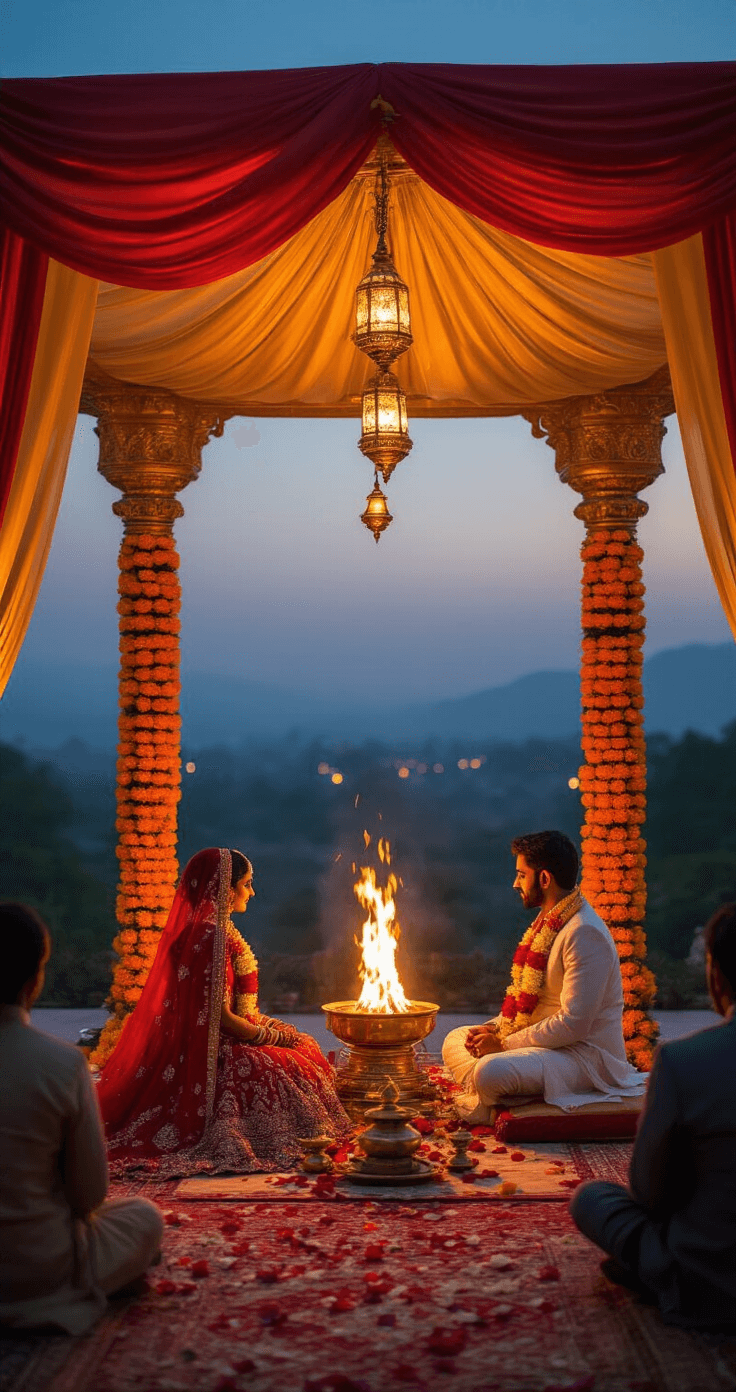
Mandap: Sacred Space Under the Stars
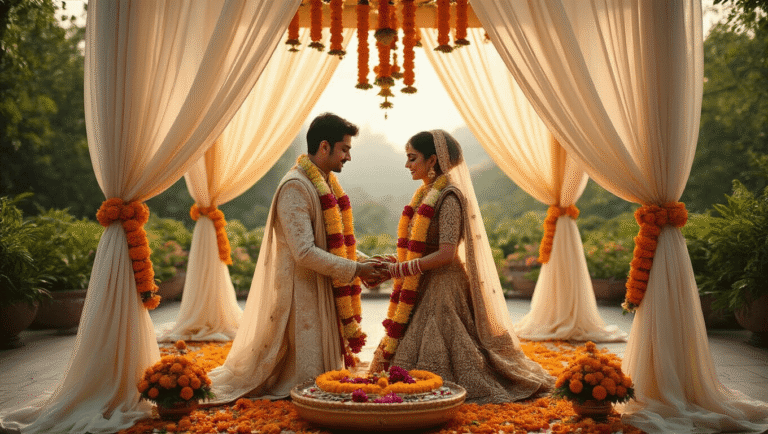
The Mandap ceremony takes place under a decorated canopy representing the universe. Four pillars symbolize the four parents supporting the new couple.
At the center burns the sacred fire (Agni), witness to all promises made. The couple sits facing the flame while priests chant ancient Sanskrit verses.
Traditional Mandap elements:
– Marigold flowers (for prosperity)
– Mango leaves (for fertility)
– Coconuts (for purity)
– [Beautiful fabric draping](https://www.amazon.com/s?k=beautiful+fabric+draping&tag=ceremonyminister-20) in auspicious colors
Mangalsutra and Sindoor: Symbols That Transform
Two rituals mark the bride’s transformation from single to married woman.
The Mangalsutra: A black and gold necklace representing:
– Good luck in marriage
– Love between husband and wife
– Friendship that will endure all challenges
The Sindoor: Red vermillion powder applied to the bride’s forehead. Only married women wear sindoor, making this moment deeply significant.
Saptapadi: Seven Steps to Forever
The Saptapadi represents the most sacred part of any Indian wedding. The couple takes seven complete circles around the sacred fire. After the seventh step, they’re legally married according to Hindu custom.
Each step represents specific vows:
1. Mutual nourishment and care for each other’s needs
2. Strength to face life’s challenges together
3. Prosperity through shared efforts and resources
4. Happiness in both good times and difficult periods
5. Progeny and raising children with strong values
6. Self-restraint and loyalty throughout their lives
7. Friendship that transcends romantic love
The groom leads the first four rounds, then the bride leads the final three. This symbolizes the balance they’ll maintain in marriage – sometimes one leads, sometimes the other.
Beautiful Symbolic Elements That Add Deeper Meaning
Traditional Attire That Tells a Story
North Indian brides typically wear lehengas – embellished skirts with fitted blouses. Red and gold dominate because red symbolizes fertility and new beginnings while gold represents prosperity.
Grooms wear sherwanis – formal embroidered coats paired with fitted pants. The intricate embroidery often includes family symbols or regional patterns.
Modern couples sometimes choose alternative colors:
– Deep maroon or burgundy
– Royal blue with gold accents
– Even soft pastels for contemporary celebrations