How to Choose the Perfect Wedding Flowers Without Losing Your Mind (Or Your Budget)
How to Choose the Perfect Wedding Flowers Without Losing Your Mind (Or Your Budget)
Contents
Choosing wedding flowers feels overwhelming when you’re staring at hundreds of blooms and wondering which ones won’t wilt before you say “I do.”
I remember standing in a flower shop three months before my own wedding, completely paralyzed by choices.
The florist kept throwing around names like “ranunculus” and “garden roses” while I nodded like I knew the difference.
Spoiler alert: I didn’t.
But here’s what I learned after planning my wedding and helping countless friends plan theirs—choosing flowers doesn’t have to be complicated.
You just need to know what questions to ask and which decisions actually matter.
Start With Your Budget (Seriously, Do This First)
Listen, I get it.
Nobody wants to talk about money when they’re dreaming about beautiful bouquets.
But ignoring your budget is like ignoring a leaking pipe—it’s only going to cause bigger problems later.
Here’s the reality check you need:
- Most couples spend between $3,500-$7,500 on wedding flowers
- Standard advice says allocate 10-15% of your total wedding budget to flowers
- Want those Pinterest-worthy, overflowing arrangements? Budget 20-25% instead
- Wedding budget planner notebooks help you track every dollar
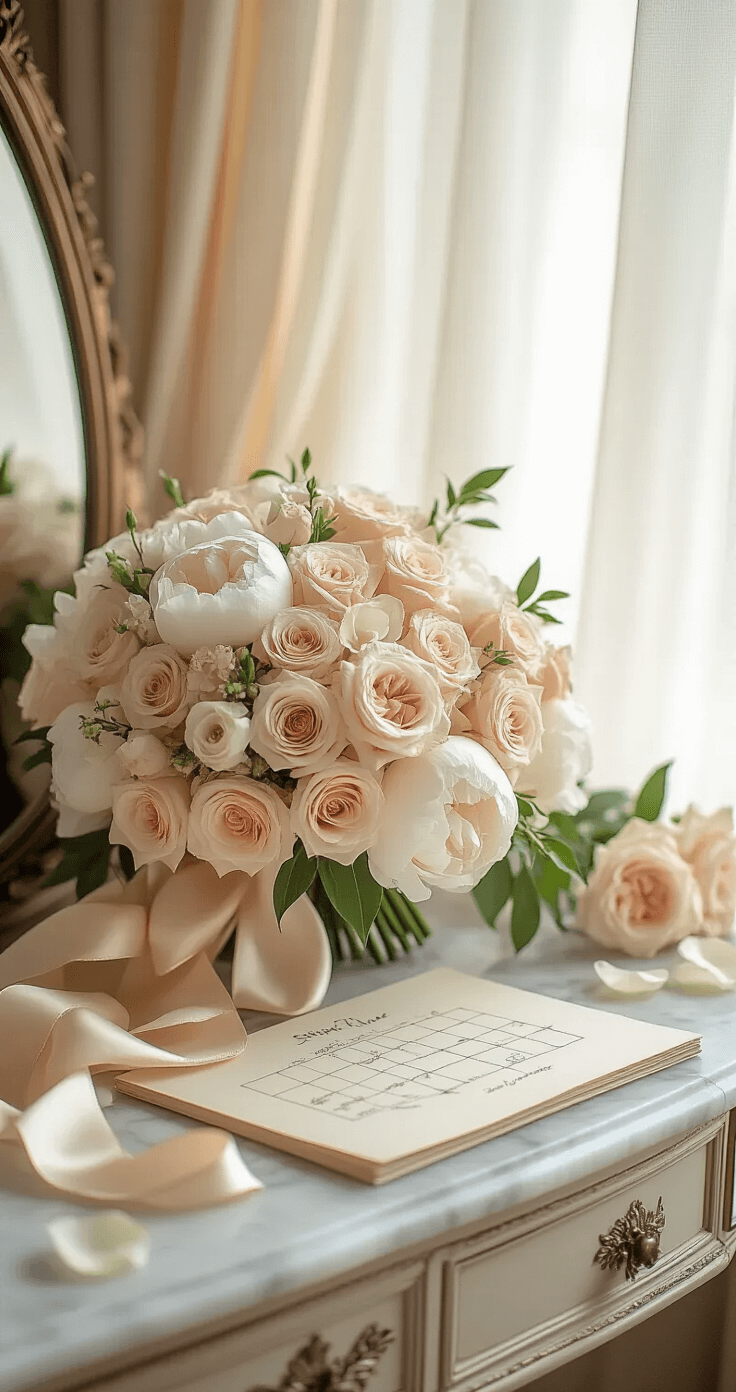
I made the mistake of falling in love with peonies before asking the price.
When the florist quoted me $200 per bridesmaid bouquet, I nearly fell off my chair.
Figure Out Your Vibe Before You Pick a Single Petal
You wouldn’t buy paint before deciding on a color scheme, right?
Same logic applies to flowers.
Ask yourself these questions:
- What’s the overall feeling I want? Romantic? Modern? Rustic? Dramatic?
- What colors are in my wedding palette?
- What season is my wedding?
- What’s my venue like—formal ballroom or outdoor garden?
I learned this the hard way when I picked bright sunflowers for what ended up being an elegant evening reception.
They looked completely out of place against the crystal chandeliers.
Pull out your wedding planning binder and gather inspiration photos that show the exact mood you’re after.
Don’t just show your florist pictures of flowers—show them your venue, your dress, your invitations.
These details tell the real story of your wedding style.
The Flowers Everyone Loves (And Why They Work)
Let me break down the most popular wedding flowers without the fancy botanical jargon.
Roses: The Reliable Workhorse
Why I love them:
- Available year-round (no seasonal stress)
- Come in every color imaginable
- Budget-friendly compared to other options
- Nobody ever complains about roses
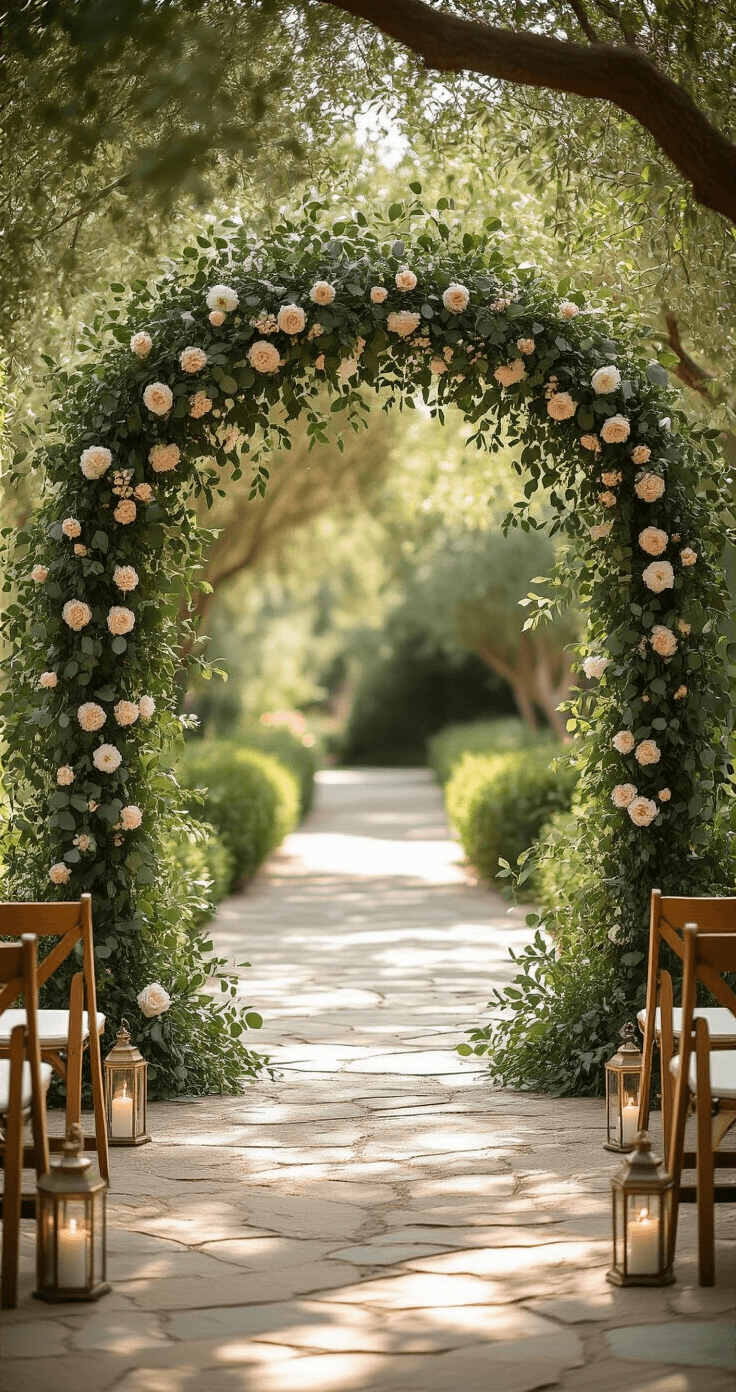
Garden roses give you that luxurious, vintage look without the drama of more temperamental flowers.
Standard roses are your best friend when you’re trying to stretch a tight budget.
Peonies: The Instagram Star
These fluffy, romantic blooms are gorgeous.
They’re also ridiculously expensive.
Real talk about peonies:
- They symbolize prosperity and good fortune
- They only bloom in late spring/early summer
- They cost 3-4 times more than roses
- They wilt faster than other flowers
If you love the peony look but hate the price tag, carnations give you similar ruffled layers for a fraction of the cost.
I know carnations get a bad rap, but modern varieties look nothing like your grandma’s funeral arrangements.
Hydrangeas: The Space Filler
Want big, lush arrangements without buying hundreds of stems?
Hydrangea stems are your answer.
One hydrangea head equals the visual impact of dozens of smaller flowers.
They’re perfect for:
- Large centerpieces
- Ceremony backdrops
- Filling out bouquets
- Creating volume on a budget
Orchids: The Modern Showstopper
Orchids scream sophistication and contemporary style.
Phalaenopsis orchids (the ones that look like butterflies) create dramatic statements without requiring many stems.
They’re perfect for minimalist weddings or modern venues.

Baby’s Breath: The Comeback Kid
Once dismissed as filler, baby’s breath is now having a major moment.
Why it’s genius for budget-conscious brides:
- Insanely affordable when bought in bulk
- Creates that dreamy, romantic cloud effect
- Photographs beautifully
- Surprisingly elegant when used as the main flower
I’ve seen entire weddings done with just baby’s breath and greenery that looked more expensive than arrangements with fancy imported flowers.
The Seasonal Smart Guide
Using in-season flowers is the single biggest money-saver in wedding florals.
When flowers aren’t in season, florists order from specialty growers or import them, which skyrockets costs.
Spring weddings (March-May):
- Tulips
- Peonies (late spring only)
- Ranunculus
- Daffodils
- Sweet peas
- Lilacs
Summer weddings (June-August):
- Roses (peak season)
- Sunflowers
- Zinnias
- Dahlias (late summer)
- Lavender
- Lisianthus
Fall weddings (September-November):
- Dahlias
- Chrysanthemums
- Marigolds
- Asters
- Roses (second peak)
Winter weddings (December-February):
- Amaryllis
- Holly berries
- Evergreen branches
- White roses
- Orchids
Grab a seasonal flower guide book and keep it handy during planning meetings.
Similar Posts
Crafting the Perfect Crochet Leaf Garland: Your Ultimate Guide to Seasonal Home Decor
Crafting the Perfect Crochet Leaf Garland: Your Ultimate Guide to Seasonal Home DecorContentsCrafting the Perfect Crochet Leaf Garland: Your Ultimate Guide to Seasonal Home DecorWhy…
Flower Garlands: The Ultimate Guide to Creating Stunning Decor for Any Occasion
Flower Garlands: The Ultimate Guide to Creating Stunning Decor for Any OccasionContentsFlower Garlands: The Ultimate Guide to Creating Stunning Decor for Any OccasionWhat Exactly is…
How to Drape Christmas Tree Garland Like a Pro: The Ultimate Guide to Picture-Perfect Holiday Trees
How to Drape Christmas Tree Garland Like a Pro: The Ultimate Guide to Picture-Perfect Holiday TreesContentsHow to Drape Christmas Tree Garland Like a Pro: The…
Maid of Honor Speech Quotes That Actually Work: 25 Lines That Won’t Make You Cringe
Maid of honor speech quotes can make or break your moment at the microphone. You’re standing there, sweating bullets, wondering if your best friend will…
Beach Wedding Centerpieces: Creating Coastal Magic for Your Special Day
Hey there, beach wedding dreamers!ContentsHey there, beach wedding dreamers!Why Beach Wedding Centerpieces MatterTop 5 Beach Wedding Centerpiece Styles1. Nautical Elegance2. Tropical Paradise3. Minimalist Coastal ChicPro…
Wedding Garlands: The Ultimate Guide to Creating Stunning Floral Displays for Your Special Day
elegant wedding ideas Garlands: The Ultimate Guide to Creating Stunning Floral Displays for Your Special DayContentselegant wedding ideas Garlands: The Ultimate Guide to Creating Stunning…