How I Learned to Transform Spaces Without Breaking the Bank (And You Can Too)
How I Learned to Transform Spaces Without Breaking the Bank (And You Can Too)
Creating a beautiful home shouldn’t require a designer’s budget or a degree in interior design.
I remember staring at my living room three years ago, wondering why it felt so… blah. Everything matched, technically. But the space had zero personality. It looked like a furniture showroom floor with all the warmth of a dentist’s waiting room.
Sound familiar?
You scroll through Instagram, see those perfectly styled rooms, and think you need to spend thousands to get that look. Wrong.
The truth is, most design “rules” are actually guidelines, and the best spaces break them constantly.
Why Your Room Feels Off (Even When Everything “Matches”)
I used to think matching furniture sets were the answer. Bought the whole bedroom collection from one store. Navy bedspread, navy curtains, navy everything. It looked like a showroom display that forgot to go home.
Here’s what nobody tells you: perfect coordination kills personality.
Your space feels flat because it needs:
- Texture variation (smooth against rough, soft against hard)
- Visual weight distribution (not everything clustered on one side)
- A focal point that draws your eye immediately
- Layered lighting instead of one overhead fixture doing all the work
- Personal elements that actually mean something to you
I learned this the hard way after my sister walked in and said, “Did you rob a hotel?” Ouch. But she wasn’t wrong.
The One Thing That Changed Everything
Want to know the single change that transformed my space?
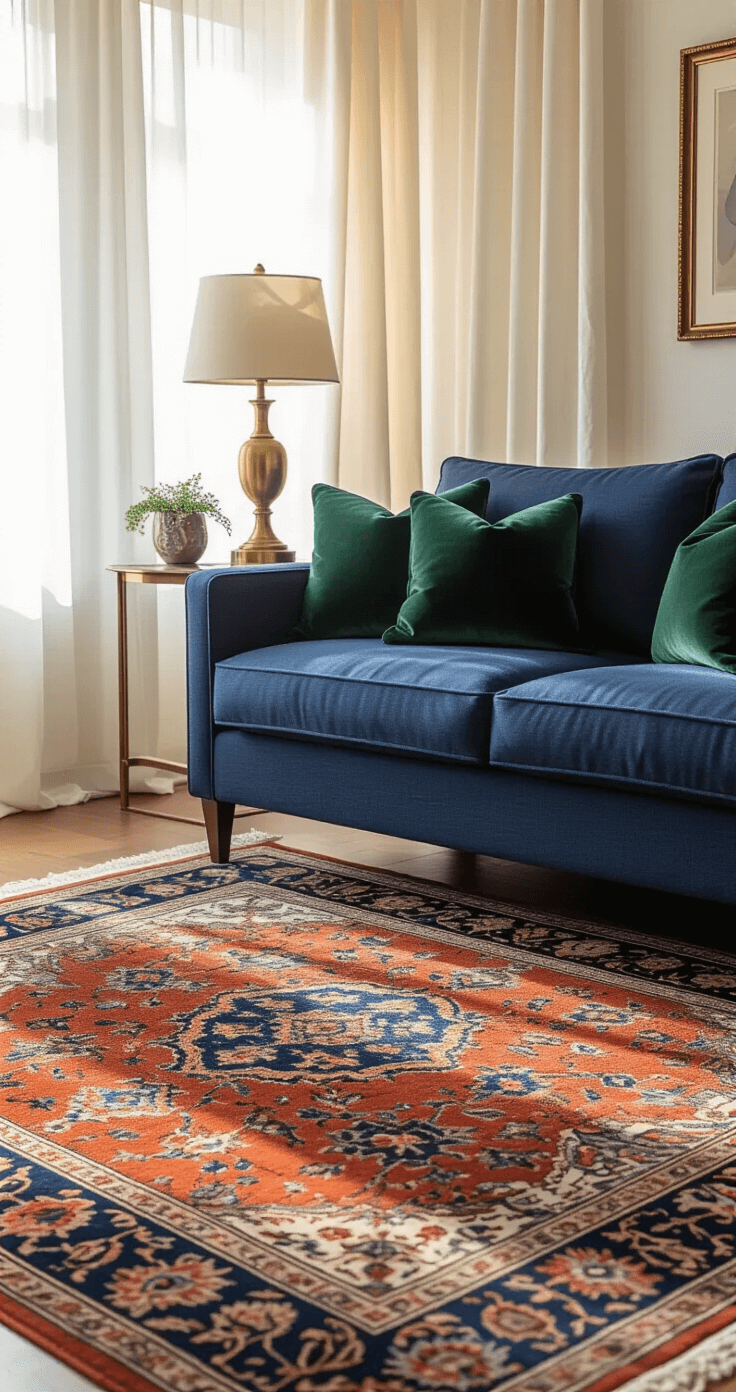
I added a vintage Persian-style area rug under my coffee table.
That’s it.
Suddenly the room had a foundation. The colors in the rug gave me a palette to work with. It anchored the furniture and made the whole space feel intentional instead of accidental.
Rugs are magic because they:
- Define separate zones in open spaces
- Add instant warmth and texture
- Introduce multiple colors without commitment
- Cover ugly flooring (hello, apartment dwellers)
- Absorb sound in echoey rooms
I paid $180 for that rug. Best design investment I ever made.
Real Talk About Color (Forget What You’ve Heard)
Everyone’s terrified of color. I get it. Paint feels permanent. What if you choose wrong?
Here’s my approach: start small and build confidence.
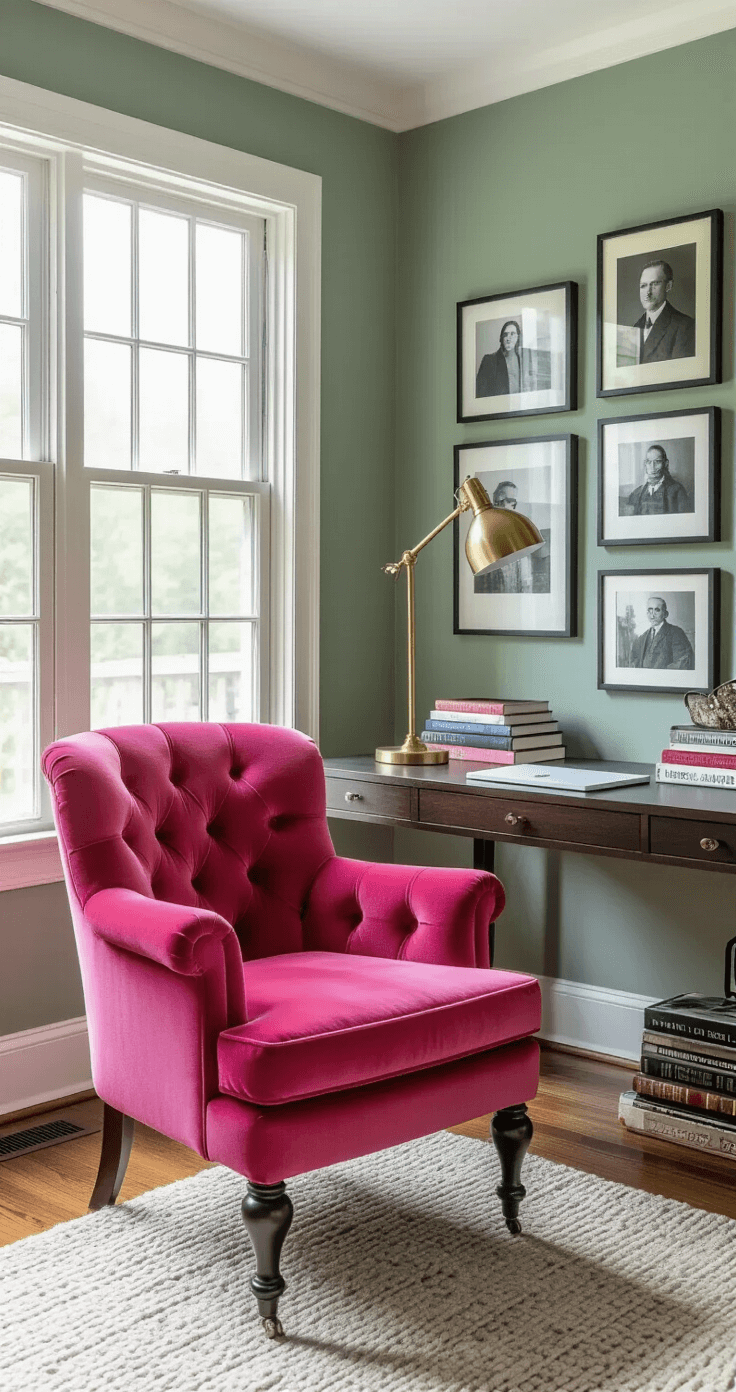
I didn’t paint whole walls at first. I bought a set of velvet throw pillows in a deep emerald green. Cost me $35 for two.
Loved them.
Then I added a brass table lamp with a warm gold finish. The green and gold combination suddenly made my neutral sofa look expensive instead of boring.
My color confidence-building system:
- Add color through pillows first (easy to swap out)
- Layer in artwork or prints (temporary wall damage)
- Introduce accent furniture pieces (chairs, ottomans)
- Paint an accent wall (one wall, not four)
- Commit to full room color (only after living with step 4)
The whole “neutral walls only” advice? Total nonsense for most people.
My bedroom is painted a dusty sage green. It’s calming, sophisticated, and gets compliments constantly. Would I have had the guts to do it without testing color elsewhere first? Absolutely not.
The Furniture Arrangement Mistake Everyone Makes
Push everything against the walls. That’s what most people do. Maximum floor space, right?
Actually, it makes rooms feel cold and disconnected.
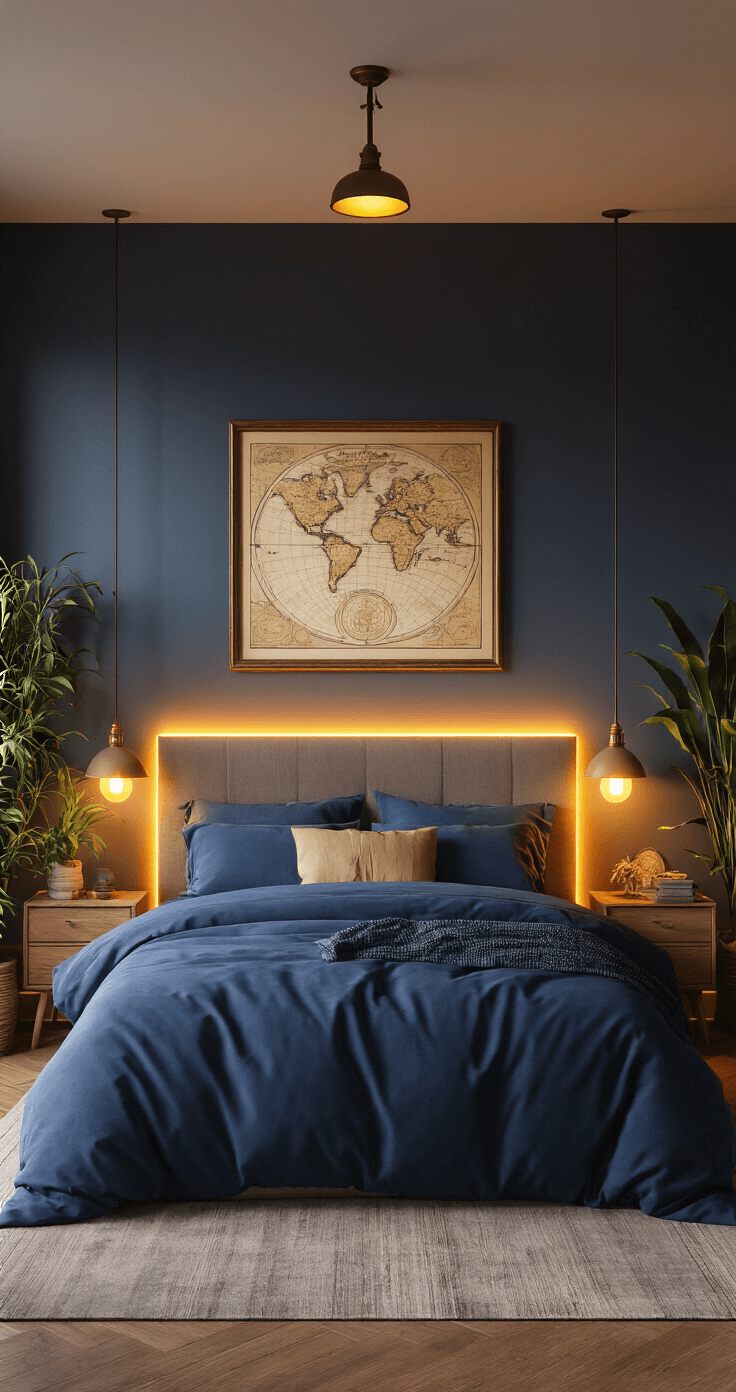
I rearranged my living room by pulling furniture away from walls and creating a conversation area. The sofa sits three feet from the back wall now. Two chairs face it. A round coffee table sits in the middle.
The room instantly felt 50% cozier.
Furniture arrangement principles that actually work:
- Create pathways at least 30 inches wide for traffic flow
- Angle pieces slightly instead of perfect parallel lines
- Anchor seating areas with rugs that fit under the front legs of all furniture
- Leave breathing room between furniture and walls
- Balance visual weight so one side doesn’t feel heavier than the other
I used painter’s tape on the floor to map out arrangements before moving heavy furniture. Saved my back and my temper.
Lighting: The Thing Nobody Gets Right
Overhead lighting makes everyone look terrible and rooms feel harsh. Yet that’s what most people rely on exclusively.
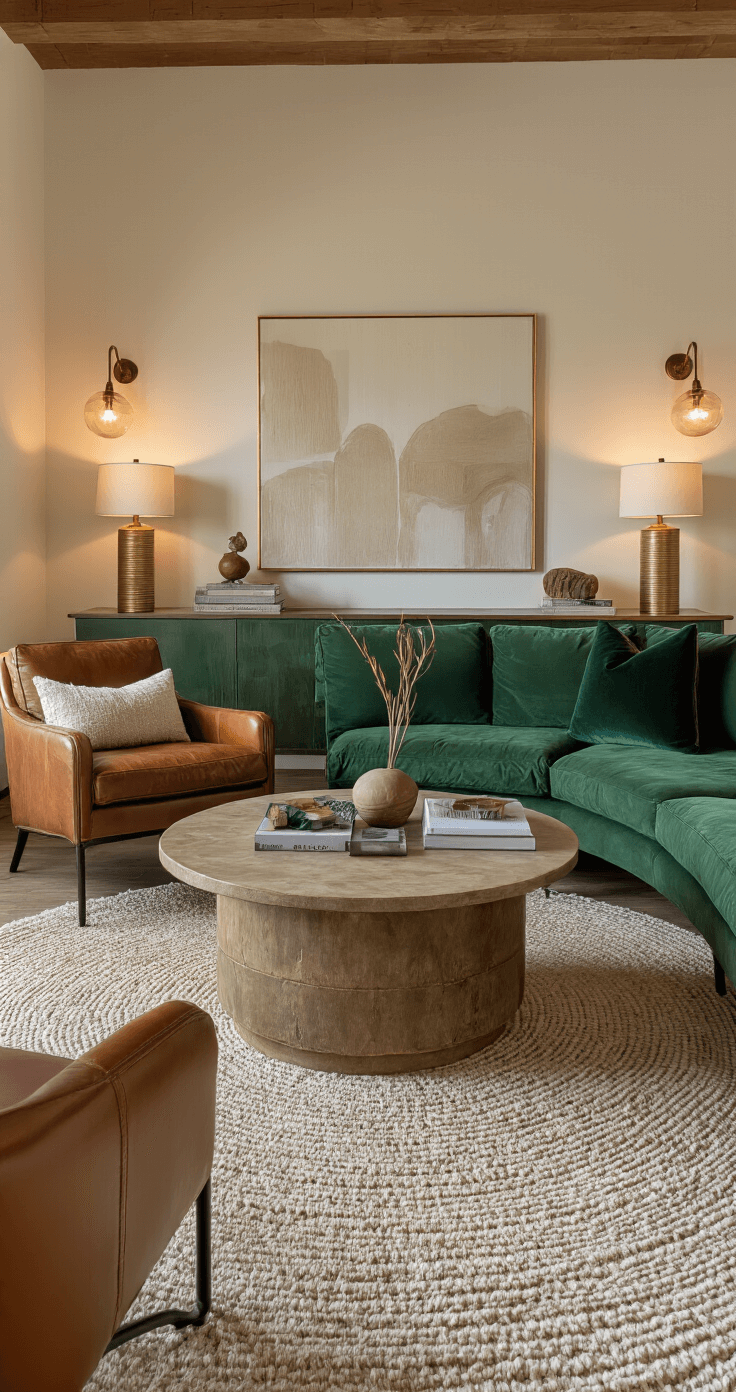
I replaced my overhead-only situation with layered lighting:
Ambient lighting (overall illumination):
- Ceiling fixtures on dimmers
- Wall sconces
Task lighting (specific activities):
- Reading lamps next to chairs
- Under-cabinet lights in the kitchen
Accent lighting (drama and mood):
- LED strip lights behind the TV
- Uplights in corners
- Picture lights above artwork
My living room has seven different light sources now. On different circuits and switches. I can create completely different moods depending on what I turn on.
Movie night? TV backlights and one corner lamp. Dinner elegant party ideas? Scon
Conclusion
Transforming your living space doesn’t require a massive budget or professional interior designer—just creativity, patience, and smart shopping strategies. By focusing on high-impact changes like paint, lighting, and strategic wedding decorations pieces, you can completely alter the feel of a room without breaking the bank. The satisfaction of creating a beautiful home through your own efforts is incredibly rewarding and allows you to express your personal style authentically. Remember that great design is about how a space makes you feel, not how much you spent. Start with one room and discover the joy of budget-friendly transformation.