How Many People Should I Really Invite to My Wedding?
The Reality Check: What Are Other Couples Actually Doing?
Recent data shows the average wedding hosts around 116 to 145 guests.
But here’s what really matters:
- 13% of couples keep it super intimate with 1-50 guests
- 33% invite 51-100 people
- 50% go bigger with 101+ guests
I’ve noticed Gen Z couples tend to go larger (averaging 131 guests), while Gen X keeps things tighter at around 88 guests.
Your parents’ generation probably had massive weddings. Times have changed. You get to decide what feels right for you.
Breaking Down Wedding Sizes (And What They Actually Feel Like)
Micro/Small Weddings: Under 50 Guests
This is your nearest and dearest only.
I’m talking immediate family, best friends, and maybe a handful of close relatives who’d genuinely be heartbroken if they weren’t there.
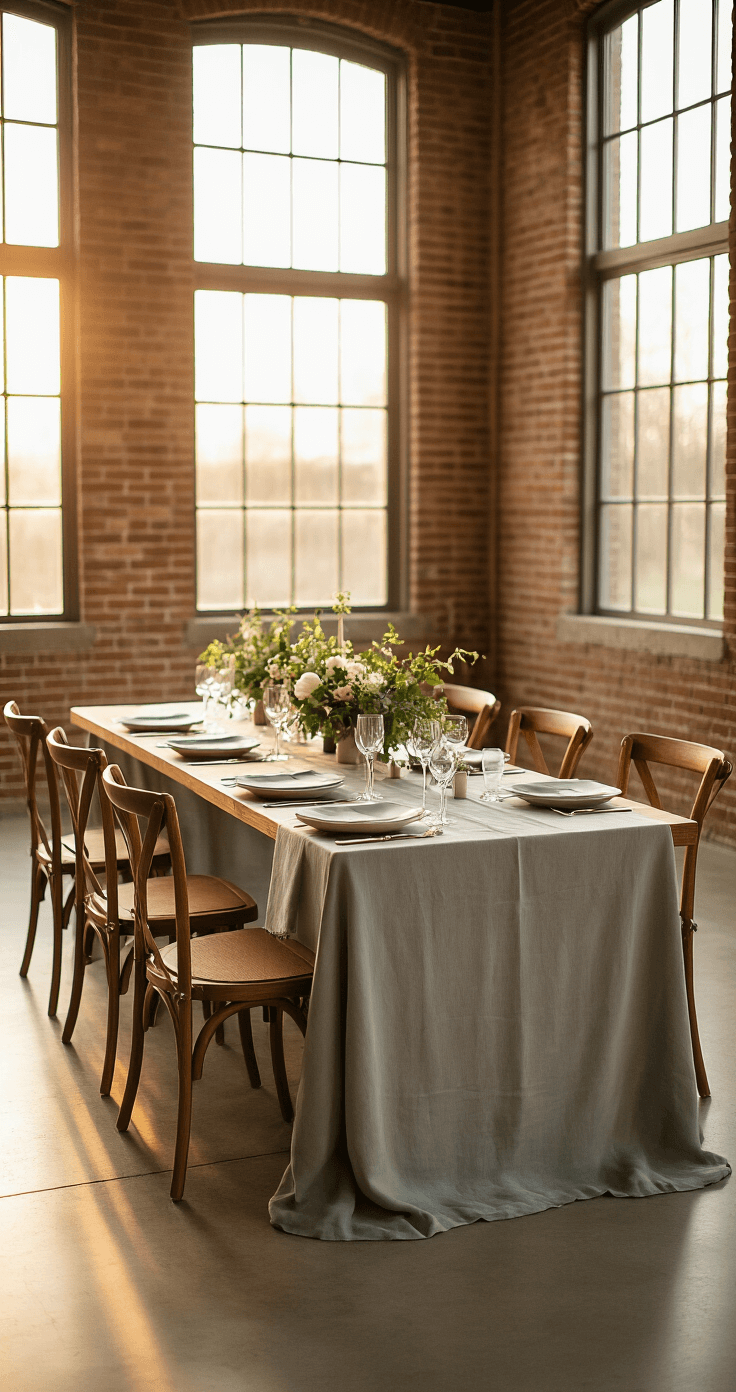
These feel more like an elevated dinner party than a traditional wedding. Everyone knows everyone. Conversations flow naturally. You’ll actually remember talking to each person.
Consider setting up your space with elegant table linens and intimate centerpiece arrangements to create that warm, personal atmosphere.

Medium-Sized Weddings: 51-150 Guests
This is the sweet spot for most couples.
- Enough people to create real energy and celebration
- Manageable logistics that won’t drive you crazy
- The ability to actually greet everyone
- Flexibility with venue choices
- Room for both family obligations and personal preferences
I’ve found this size lets you have traditional elements like a seated dinner, dancing, and all those classic wedding moments without feeling overwhelmed.
You can create stunning tablescapes with assorted votive candle holders that won’t break the bank when you’re decorating multiple tables.

Large Weddings: 150+ Guests
These create that buzzing, high-energy party atmosphere.
The dance floor stays packed. The room feels electric. Multiple conversations happen simultaneously.
But let me be straight with you: these require serious planning chops, a bigger budget, and venues that can actually handle the crowd comfortably.
The Four Non-Negotiable Factors You Must Consider
Your Budget (Start Here, Not Last)
Every single guest costs money.
I’m talking:
- Food and drinks (usually $50-150+ per person)
- Rentals and place settings
- Invitations and favors
- Space requirements
Do this calculation right now: Take your total wedding budget, subtract fixed costs (venue, photographer, flowers, attire), then divide what’s left by your estimated per-guest cost.
That number? That’s your realistic capacity.
Don’t fool yourself into thinking you’ll magically find extra money. You won’t. I’ve watched too many couples stress themselves into debt by inviting more people than they could afford.
Venue Capacity (This Sets Your Hard Limit)
Your dream venue might only hold 80 people comfortably.
Or maybe it’s a massive barn that feels empty with fewer than 150 guests.
Visit venues with realistic numbers in mind. Ask about maximum capacity for seated dinners versus cocktail receptions. Factor in space for dancing, a bar area, and mingling.
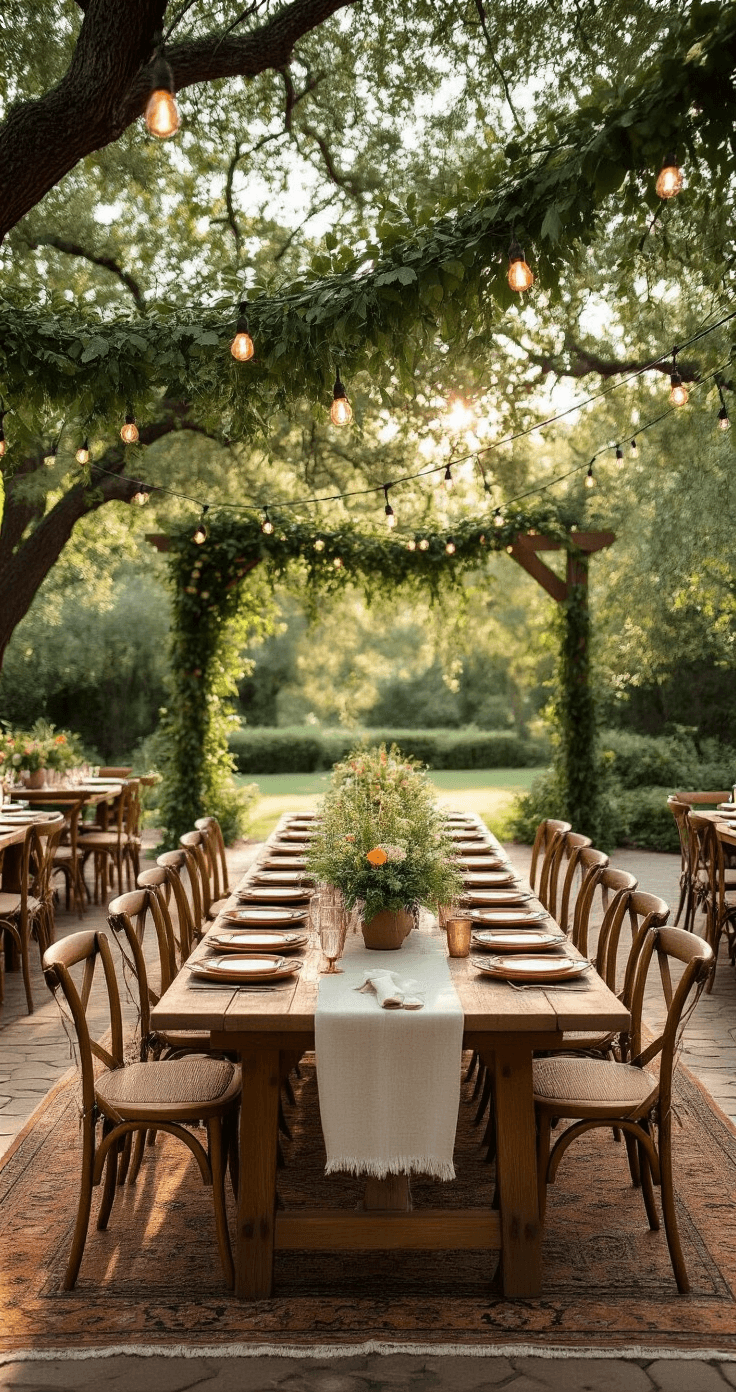
A cramped wedding feels awful for everyone. So does a cavernous space with too few people.
Your Actual Social Circle (Be Honest)
I’ve developed what I call the “one-year rule” and it’s never steered me wrong.
If you haven’t spoken to someone in over a year, they probably shouldn’t make your guest list.
Sounds harsh? Maybe. But your wedding isn’t a Facebook friends reunion.
Start with your non-negotiables:
- Immediate family
- The friends you genuinely talk to regularly
- People whose weddings you attended (or would attend)
- Anyone whose absence would genuinely hurt your feelings on the day
This core group usually represents about 20-30% of a larger wedding’s final count.
Family Expectations (The Complicated One)
Some families have expectations. Strong ones.
Maybe your parents are paying and expect certain relatives to be invited. Perhaps your culture traditionally includes extended family and community members.
Have these conversations early. Be clear about limitations. Compromise where it matters, stand firm where it doesn’t.
I’ve seen couples split their list 50-50 between families to keep things balanced. Others give each set of parents a specific number of “spots” they can allocate.
Find a system that respects relationships without sacrificing your vision entirely.

Regional Differences That Actually Matter
Wedding sizes vary wildly depending on where you live:
- Midwest: 141 guests (largest on average)
- Mid-Atlantic/Southwest: 124 guests
- Northeast: 107 guests
- South/Southeast: 103 guests
- West: 102 guests (smallest)
Destination weddings typically run smaller at 70-77 guests, while hometown celebrations average 123 guests.
This isn’t about following trends. It’s about understanding what’s normal in your area so you’re not accidentally planning something wildly out of sync with local expectations.
The Math Nobody Talks About: The Decline Rate
Here’s something crucial: not everyone you invite will actually come.
Expect 10-20% of invitees to decline. Some experts say it’s closer to
Conclusion
Determining your wedding guest list requires balancing your vision, budget, venue capacity, and family expectations—a challenging but crucial planning step. Remember that each guest adds significant cost and complexity, so quality of experience should guide your decisions over quantity. Open communication with your partner and families about priorities helps navigate this potentially sensitive process. The guests who truly matter will understand constraints and celebrate with you regardless. Ultimately, your wedding should include the people who support your marriage, creating an intimate, meaningful celebration you’ll genuinely enjoy.