Why Purple and Green Together Transform Any Room Into a Garden Paradise
Why Purple and Green Together Transform Any Room Into a Garden Paradise
Contents
Purple and green create different results depending on how they’re combined, and I’ve spent the last decade discovering exactly what makes this color pairing so magical in home decor.
You’re probably wondering if these two colors actually work together. Maybe you’ve fallen in love with a gorgeous purple throw pillow but can’t figure out if it’ll clash with your green sofa. Or perhaps you’re staring at paint swatches, trying to decide if that lavender accent wall will complement your plant-filled living room.
I get it. Purple and green might seem like an odd couple at first glance.
The Science Behind Purple and Green Magic
Here’s what most people don’t realize: purple and green aren’t complementary colors in the traditional sense, which is exactly why they work so beautifully together.
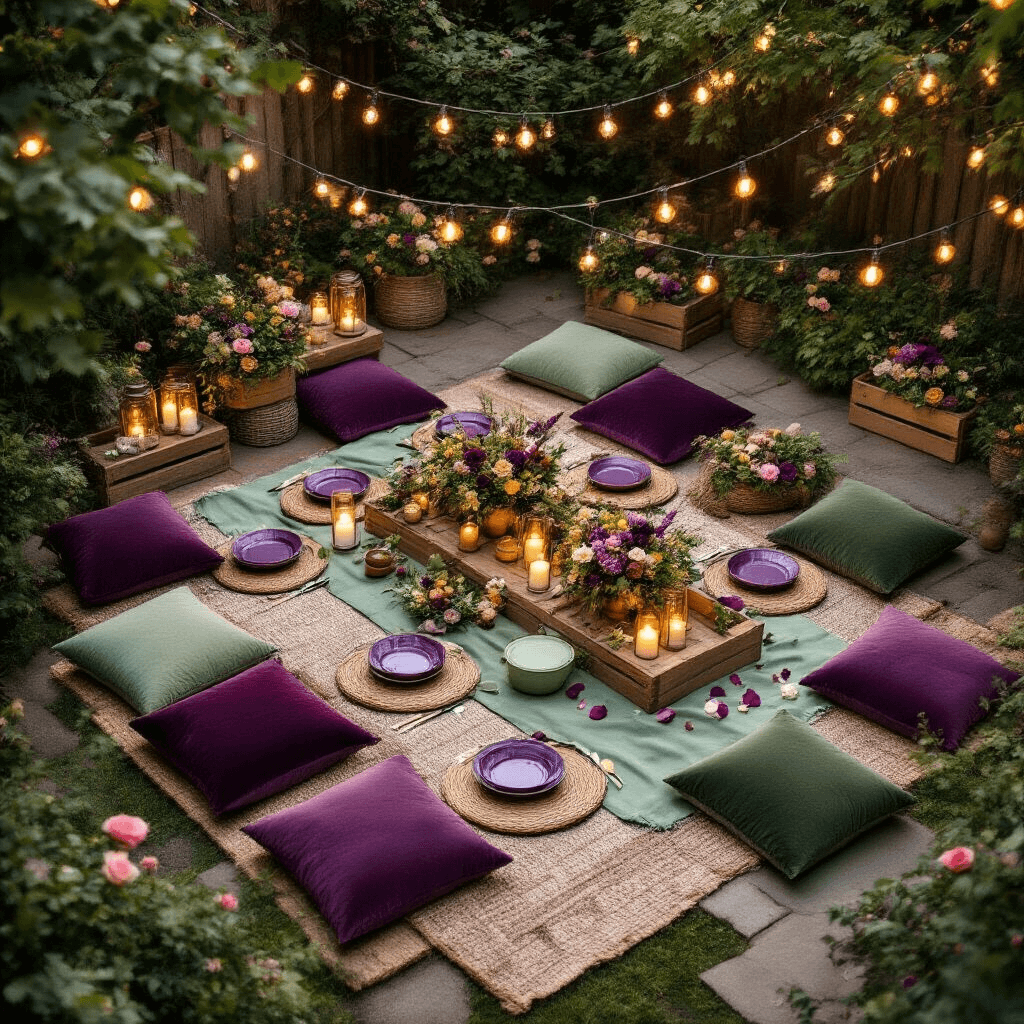
Unlike harsh complementary pairs that scream for attention, purple and green create what I call “garden harmony.” Think about it – when did you last see a flower garden that looked wrong?
In the traditional color wheel:
- Yellow and purple are true complements
- Red and green are opposites
- Purple and green sit peacefully nearby, creating gentle tension without the drama
This means when you combine purple and green in your home, you get sophistication instead of competition.
I learned this the hard way when I first paired a deep eggplant accent wall with sage green curtains in my dining room. Instead of the clash I feared, guests kept asking where I got my “interior designer eye.”
What Happens When You Actually Mix Purple and Green
Now, if you’re thinking about literally mixing these colors – say, for custom paint or art projects – purple and green typically create a dusty blue-gray to black color.
The exact result depends on:
- Saturation levels of each color
- Specific hues you’re working with (forest green vs. mint, royal purple vs. lavender)
- Mixing technique and ratios
I discovered this when attempting to create a custom wall color by mixing purple paint with green paint. The result was a muddy mess that looked nothing like the vibrant combination I imagined.
Pro tip: Keep purple and green separate for maximum impact. Mix them through decor, not pigment.
Garden-Inspired Purple and Green Combinations That Actually Work
The secret to nailing purple and green lies in selecting the right tones and proportions.
I’ve tested countless combinations in my own home and client spaces. Here’s what creates magic versus what creates mayhem:
Muted Elegance: The Vintage Garden Approach
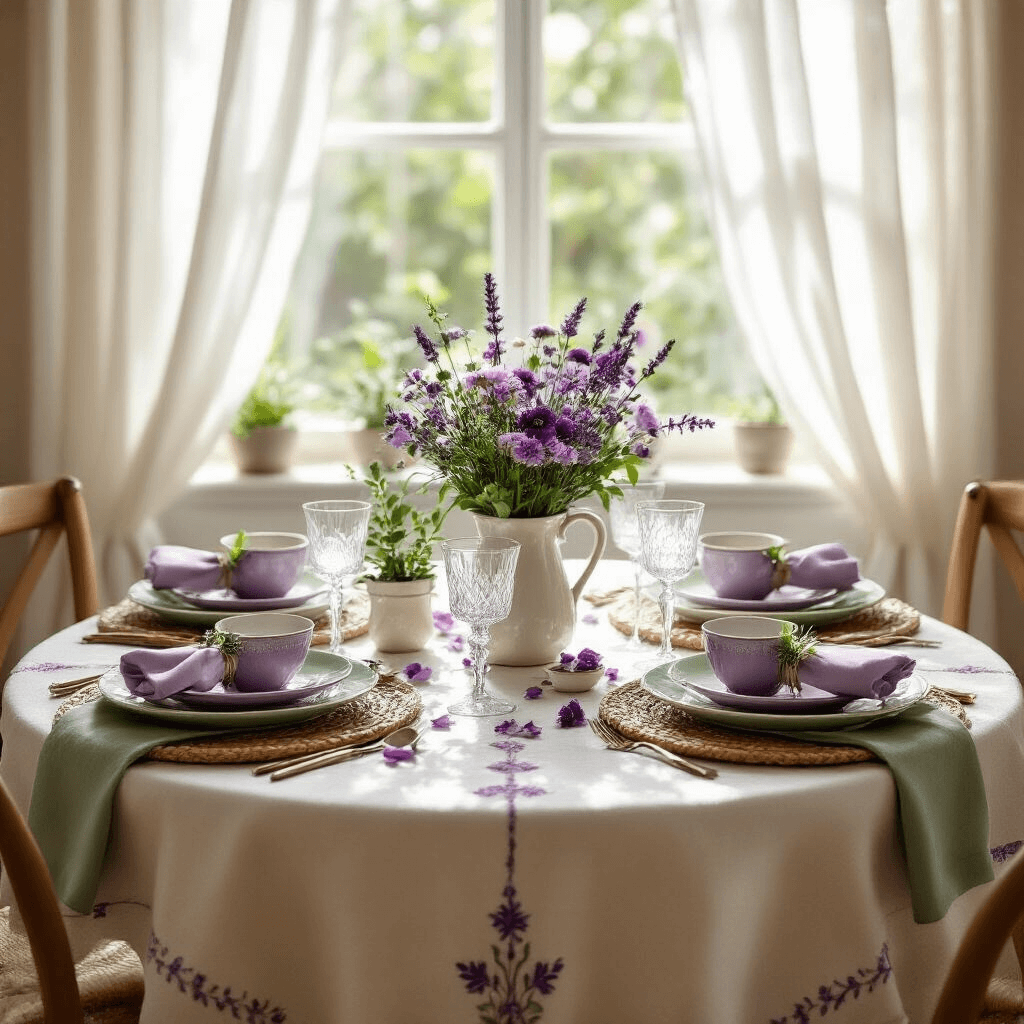
Light purple shades paired with soft sage green transport you straight into an English cottage garden.
This combination works because:
- Neither color overpowers the other
- Both have similar saturation levels
- The undertones complement rather than compete
Perfect for:
- Bedrooms seeking tranquil vibes
- Bathrooms with spa-like goals
- Reading nooks that need calm energy
I used this palette in my guest bedroom with lilac throw pillows against sage green bedding. Every visitor comments on how restful the space feels.
High-Impact Drama: The Bold Garden Statement
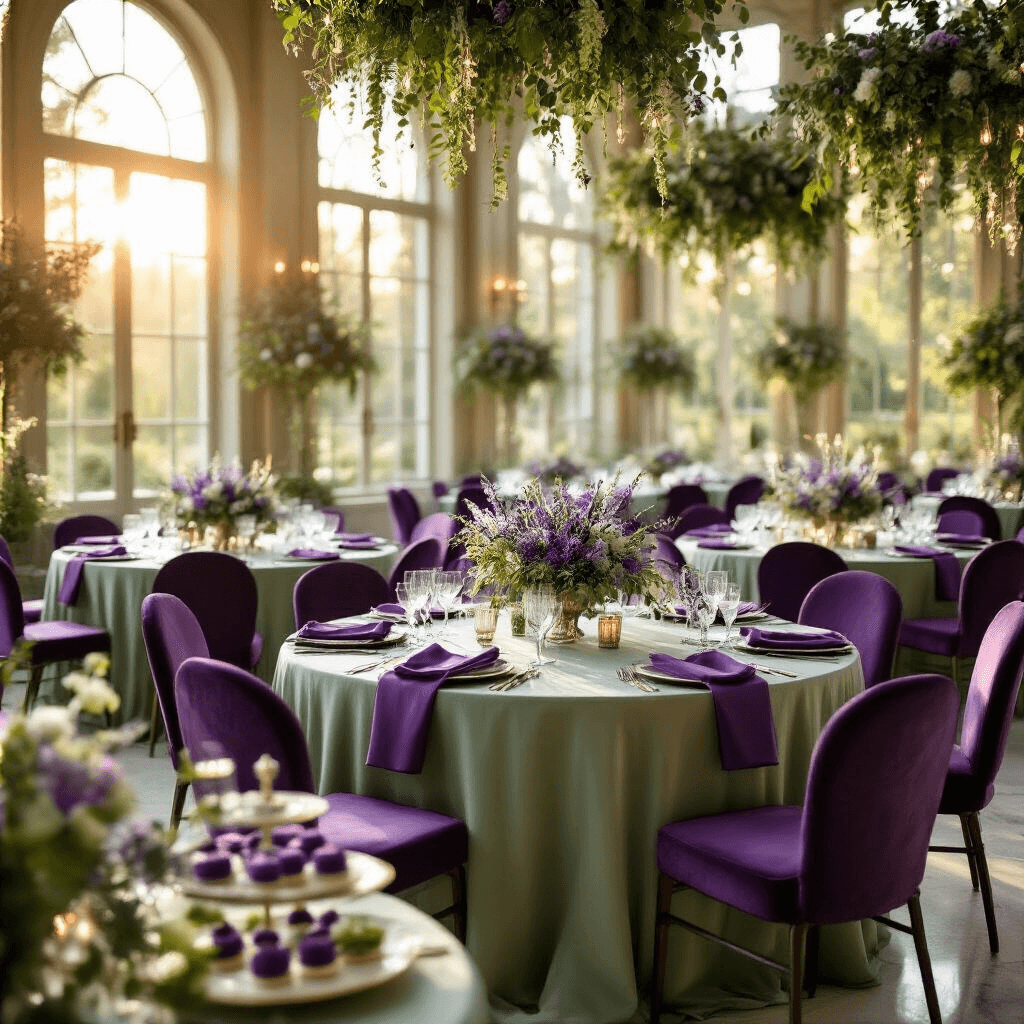
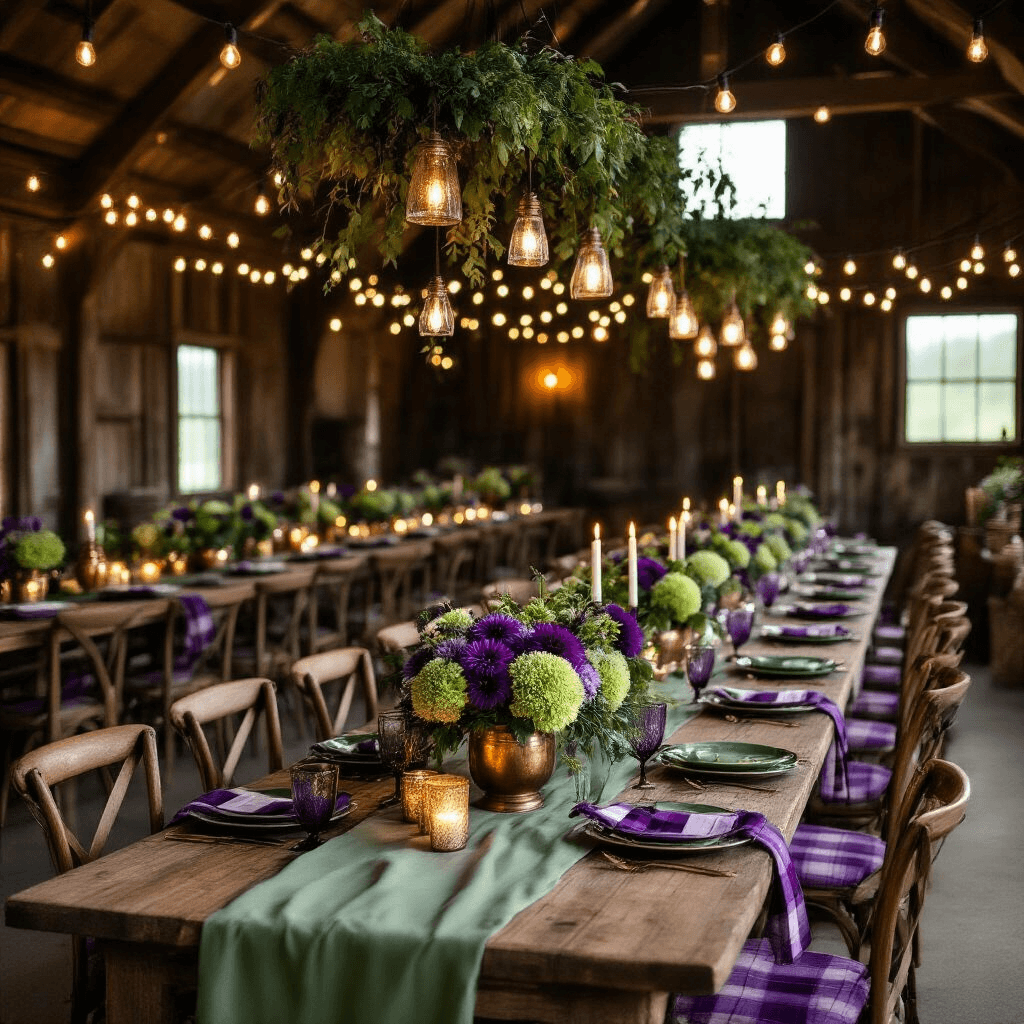
Deeper purples like plum combined with mid-toned greens create rooms that whisper luxury while maintaining perfect balance.
This approach delivers:
- Sophisticated depth without darkness
- Rich texture opportunities
- Instagram-worthy contrast
Perfect for:
- Living rooms that need personality
- Dining spaces craving conversation starters
- Home offices requiring creative inspiration
My favorite example: a client’s living room featuring a deep purple velvet sofa anchored by forest green walls and brass accents. The room feels both regal and welcoming.
Modern Garden Chic: The Contemporary Twist
Mauve accents paired with earthy greens and crisp white brings purple-green combinations into the 21st century.
This palette offers:
- Fresh, uncluttered aesthetics
- Easy integration with existing neutral schemes
- Flexibility for seasonal updates
Perfect for:
- Open-concept spaces
- Minimalist homes with personality goals
- Anyone afraid of “too much color”
Room-by-Room Purple and Green Success Stories
Living Rooms: Creating Conversation Spaces
Your living room is where purple and green combinations truly shine.
The foundation approach:
- Start with neutral walls (whites, creams, warm grays)
- Add green area rugs as anchors
- Layer in purple through pillows, throws, artwork
- Include plants for natural green elements
The bold wall approach:
- Choose one accent wall in soft sage or deep forest
- Balance with purple furniture pieces
- Add white elements to prevent overwhelming
- Include natural textures through wood and metal
I’ve watched this combination transform boring beige living rooms into spaces where people actually want to spend time.
Bedrooms: Designing for Dream-Worthy Sleep
Purple and green bedrooms feel like sleeping in a secret garden.
Calming combinations:
- Lavender walls with sage green bedding
- Green accent wall behind white headboard with purple pillows
- All-white base with purple and green through
Post navigation
Similar Posts
35 Breathtaking Romantic Wedding Dresses for Your Dream Day
Romantic wedding dresses capture the essence of love and beauty, offering an enchanting blend of elegance and charm for your special day. Featuring soft fabrics,…
Yellow Wedding Guest Dress: Your Ultimate Style Guide & Shopping Secrets
Yellow Wedding Guest Dress: Your Ultimate Style Guide & Shopping SecretsContentsYellow Wedding Guest Dress: Your Ultimate Style Guide & Shopping SecretsWhy Yellow? Trust Me, It’s…
The Real Deal About Personalized Gifts That Actually Matter
Why Personalized Gifts Hit DifferentContentsWhy Personalized Gifts Hit DifferentStore-Bought Personalized Treasures (No Judgment Here)Home Décor That Doesn’t Scream “Grandma’s Attic”Jewelry and Accessories They’ll Actually WearSpecialty…
White Wedding Cakes with Flowers: Your Ultimate Guide to Timeless Elegance
Why White Floral Wedding Cakes Are Absolutely StunningContentsWhy White Floral Wedding Cakes Are Absolutely StunningClassic Elegance Meets Modern RomanceFlower Options That Will Make Your Cake…
DIY Anniversary Gifts for Him: Heartfelt Creativity That Speaks Volumes
Hey there, love-struck gift-giver!ContentsHey there, love-struck gift-giver!Why DIY Gifts are Relationship Gold5 Quick & Killer DIY Gift Ideas1. The Memory Explosion Box2. The “I Love…
Why Your Living Room Still Feels Like a Furniture Showroom (And How to Actually Make It Yours)
Why Your Living Room Still Feels Like a Furniture Showroom (And How to Actually Make It Yours)ContentsWhy Your Living Room Still Feels Like a Furniture…