Choosing a Summer Wedding Guest Dress That Actually Works
Summer wedding guest dress shopping always throws up the same question in my inbox: “What am I actually allowed to wear?” Usually it arrives with a photo of an invitation attached and a slightly panicked tone. Fair enough — summer weddings come with more variables than any other season. Heat, sun, grass, gravel, marquees that turn into saunas by 4pm. Getting the dress right isn’t vanity. It’s survival, dressed nicely.
I’ve married couples in July heatwaves where guests were visibly wilting by the vows, and I’ve stood at October-warm September weddings where a light dress left people shivering by the first dance. The brief is always the same though: work out your climate, your venue, and your dress code before you fall in love with something on a screen.
Understanding the Summer Wedding Context
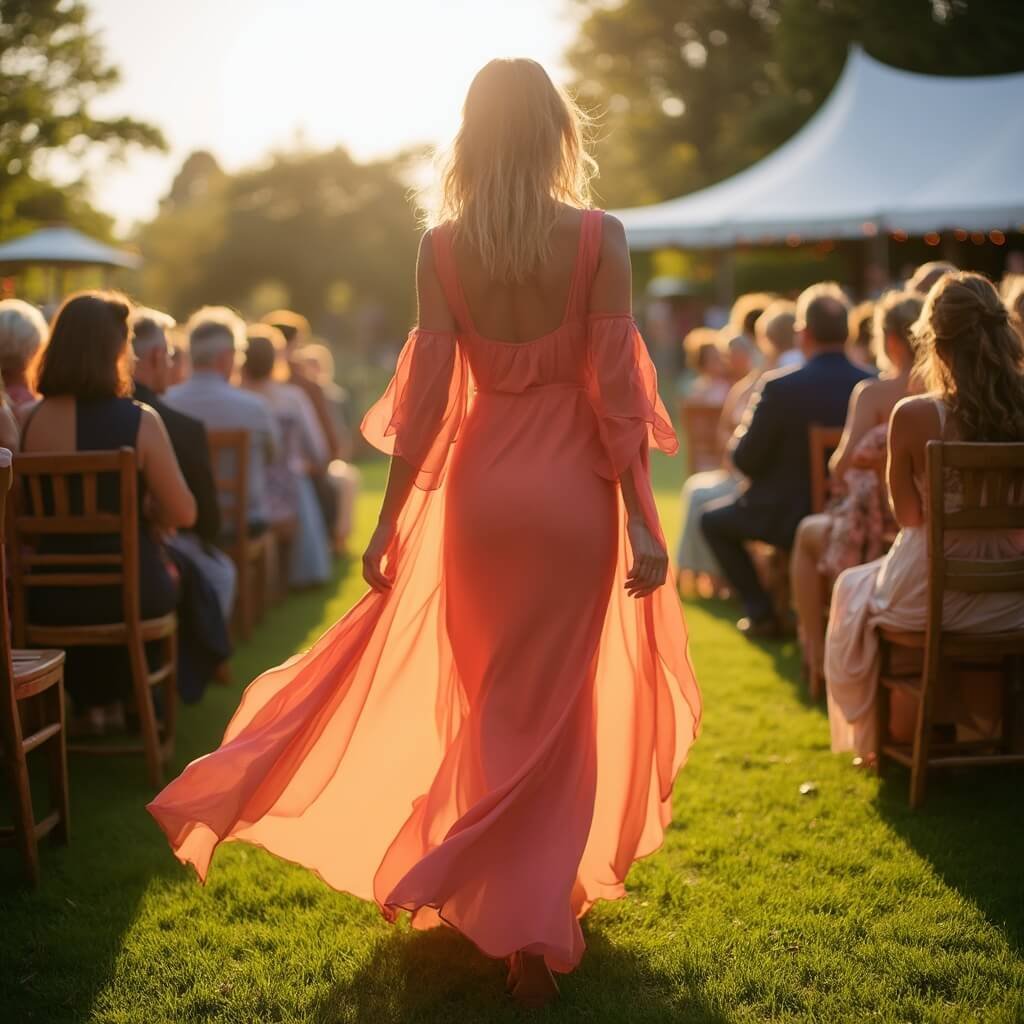
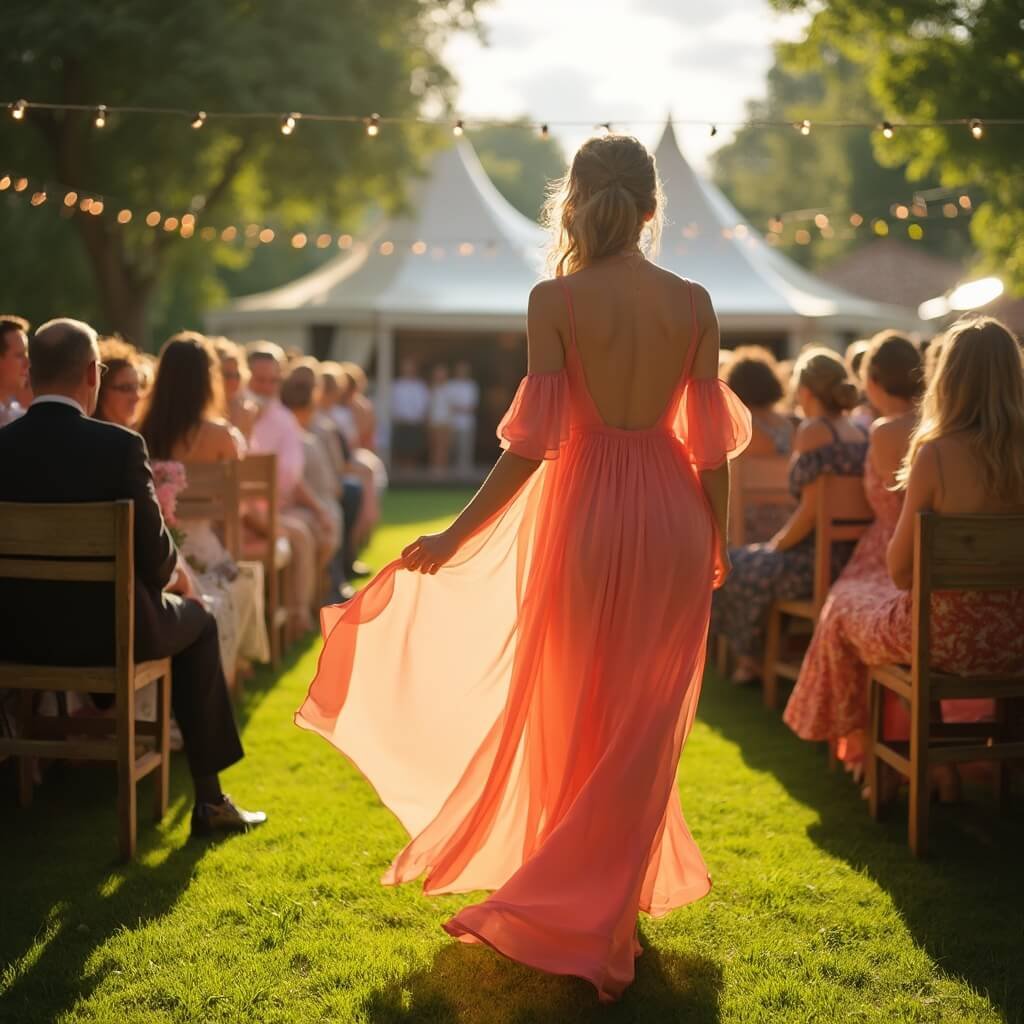
Heat changes everything about how a dress behaves. Humidity clings fabric to skin, sun bleaches colour, and three hours standing on a lawn in the wrong material will ruin an otherwise lovely outfit. Fabric choice and fit matter more here than at any winter wedding — you need airflow, not just style. Open backs, flutter sleeves, flowing skirts: these aren’t just aesthetic choices, they’re functional ones for anyone standing through a long outdoor ceremony in June sun.
Venue changes the equation again. A beach wedding at 4pm asks something completely different of a dress than a hotel ballroom reception at 8pm. Daytime generally wants lighter colours and shorter hems; evening allows richer tones and more formal shapes. I always tell guests to think about the arc of the day, not just the ceremony — you’ll likely be in the same dress for six or seven hours, through changing light and temperature.
Reading the Dress Code (and What to Do When There Isn’t One)
Summer weddings tend to specify one of a handful of dress codes: black-tie, formal, semi-formal or cocktail, dressy casual, or beach-chic. Each implies a different silhouette and fabric weight, and getting this wrong is the single most common source of guest anxiety I hear about.
When the invitation says nothing useful — and plenty don’t — look at the venue, the time, and what you know of the couple. A stately home at 3pm suggests something more polished than a orchard marquee at noon, even without an explicit dress code printed anywhere.
A few etiquette rules stay constant regardless of code:
- Avoid white, ivory, cream, and very pale blush tones close to bridal territory — this one isn’t outdated, it’s still very much alive.
- Respect religious or cultural settings with appropriate coverage: shoulders, necklines, and hemlines suited to a church or temple rather than a beach bar.
I once had a guest turn up to a Church of England ceremony in a stunning backless dress — gorgeous, entirely wrong for the setting. She spent the service holding a cardigan clenched around her shoulders like a hostage. Nobody said anything, but I noticed, and I suspect she did too. A five-minute think about venue would have saved her the discomfort.
Planning Before You Shop
Before browsing anything, ask yourself honestly how much walking, standing in sun, and dancing you’re in for. A cobbled courtyard wedding demands different shoes and hem length than a soft lawn one. Comfort-first isn’t a compromise on style — it’s the foundation good style sits on.
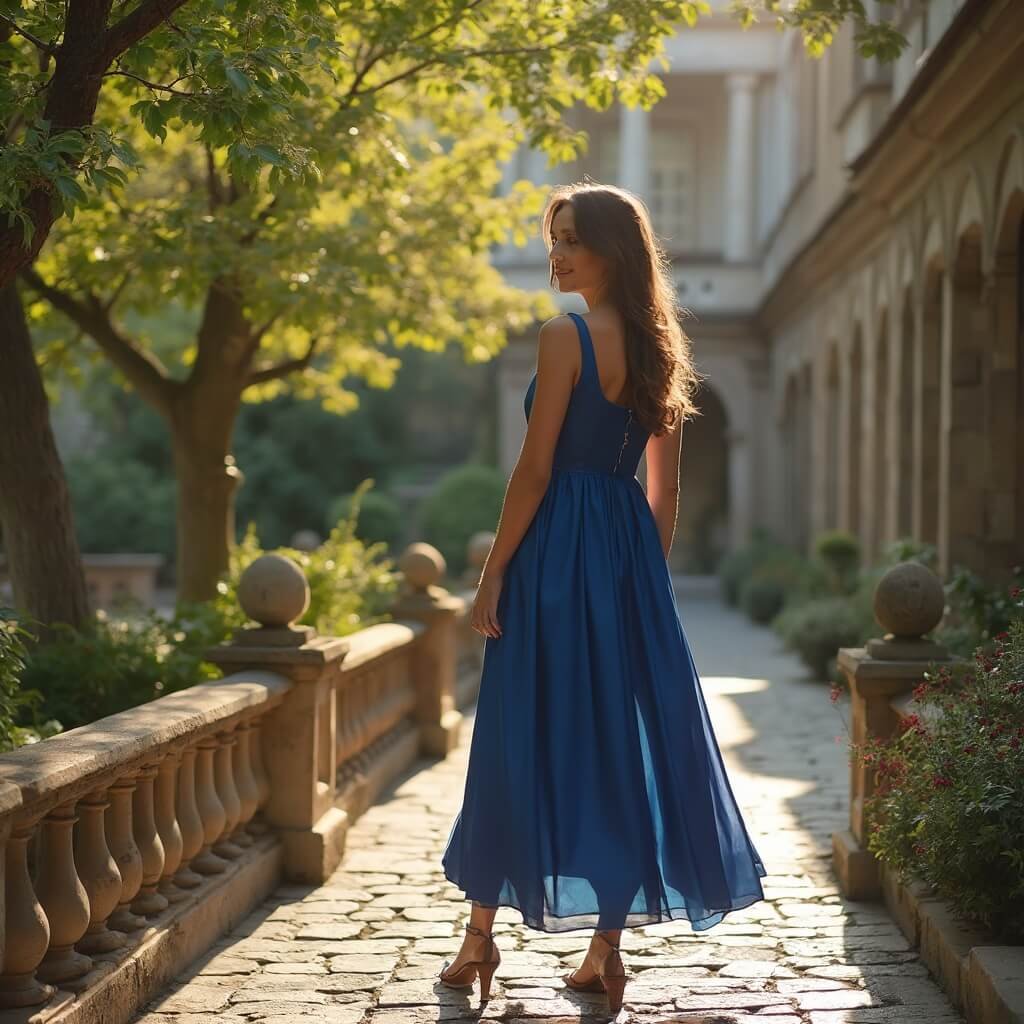
Think too about cost-per-wear. A dress that only works for one very specific beach wedding is a harder sell than one you could rewear to a summer garden party or a smarter dinner later in the year. Building a flexible outfit — one solid dress plus interchangeable accessories like a shawl, different jewellery, or a change of shoes — lets you shift formality without buying three separate outfits for three separate weddings.
Fabrics: What Breathes and What Doesn’t
This is where most poor decisions get made, usually because a dress looked beautiful under shop lighting and turned punishing after twenty minutes outdoors. Chiffon, cotton, linen, lightweight crepe, organza, and rayon are the fabrics that consistently perform well in heat — they move air, they don’t cling, and they photograph beautifully in natural light. Tencel and other moisture-wicking blends are increasingly common too, and worth seeking out if you know you run warm.
Lightweight satin has its place for evening events without tipping into winter-weight heaviness — the trick is checking whether it’s a proper light satin or a heavier polyester mimicking one.
Fabrics to be wary of in a heatwave:
- Heavy satin and polyester blends that trap heat against skin
- Thick jersey, velvet, and brocade — all lovely, all wrong for July
- Densely beaded fabrics, which add both weight and warmth
Fully lined chiffon deserves a mention here — it gives you opacity in bright sun without the bulk of a heavier fabric underneath, which is the detail a lot of cheaper dresses skip and you notice the moment you’re standing with the sun behind you. And a small tip that surprises people: darker shades and busy prints hide perspiration far better than pale solids, which is worth remembering if you’re prone to running warm in a marquee.
Silhouettes That Move With You, Not Against You
The overall aim in summer is airy and relaxed rather than fitted and structured. Dresses that skim the body — rather than cling to it — genuinely keep you cooler, and they photograph just as well, if not better, in outdoor light. Billowy maxis, sleek slip dresses, wrap styles, and A-line midis are the shapes that keep coming back season after season because they simply work, across body types and venues alike.
Necklines and sleeves matter more than people expect. Sleeveless, strapless, halter, and one-shoulder cuts all offer real heat relief and are appropriate for most secular settings. If you want some coverage without trapping warmth, look at flutter sleeves, short puff sleeves, or kimono-style cuts — they give a little sun protection and still let air through, which a fitted long sleeve simply won’t.
On length: maxi dresses remain the most versatile choice, working from a countryside marquee to a beach ceremony to an evening reception without missing a beat. Midi is the practical middle ground for cocktail and semi-formal events, and genuinely easier to dance in than people assume before they try. Mini has its place at very casual or beach weddings, but it needs elevating — through fabric quality or detailing — or it can read as underdressed rather than relaxed.
Colour: What’s Right for the Season, and What to Skip
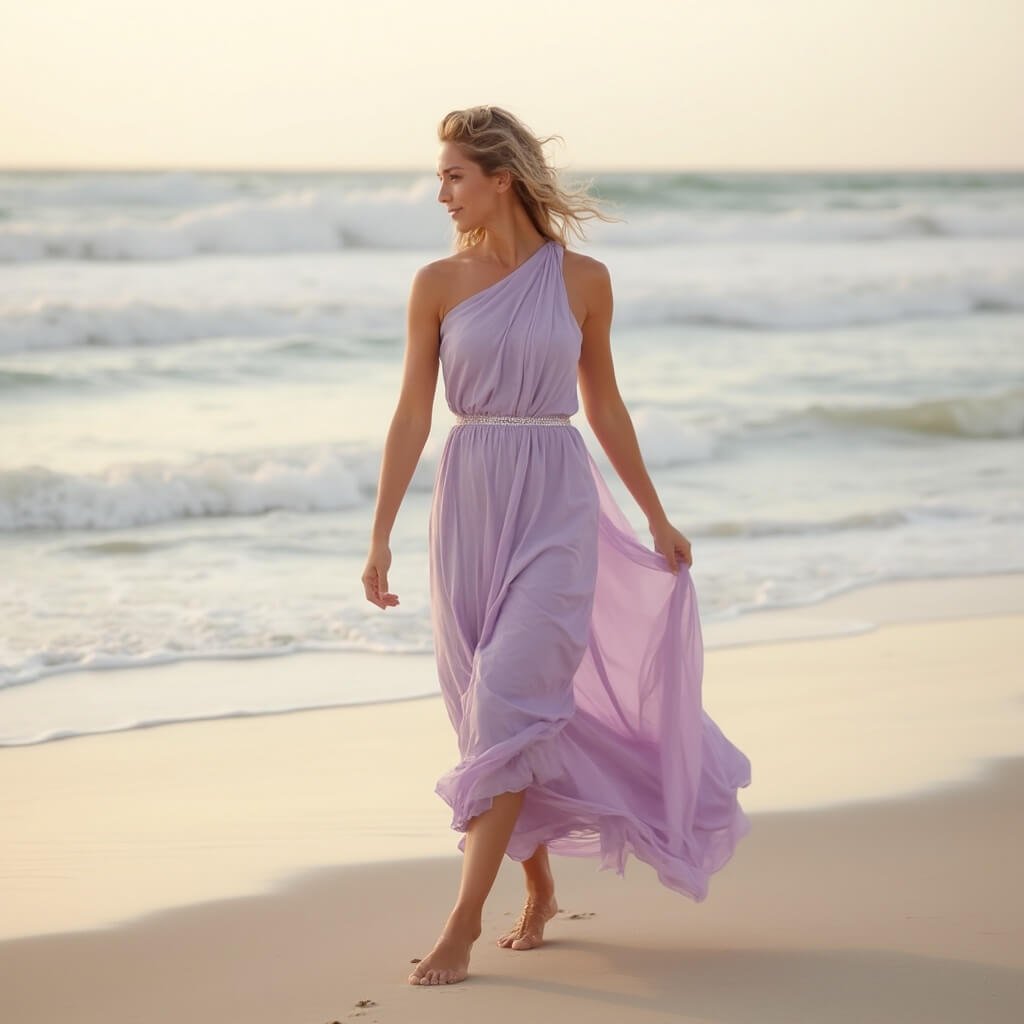
Summer gives you licence for colour that other seasons don’t. Bright, saturated shades — coral, turquoise, cobalt, fuchsia, emerald — are the hallmark palette of a summer guest wardrobe, and they read beautifully in daylight photography. Soft pastels are the other main lane: blush, lavender, mint, sage, and butter yellow all suit daytime romantic ceremonies particularly well.
For 2026, I’d flag butter yellow, pale blue, and pistachio green as the shades turning up again and again in what brides and stylists are gravitating toward — alongside a slightly punchier addition of fire-engine red for guests wanting something with more presence. Blush pink and dusty blue continue to hold their ground as safe, elegant defaults.
Black remains acceptable, particularly for evening or more formal events, provided the fabric is light rather than heavy — a black cotton or chiffon dress reads completely differently to black wool crepe. Deep jewel tones like emerald or sapphire work well after sunset too, again assuming breathable material.
What to avoid: white, ivory, and cream sit firmly off-limits regardless of how “not really white” you think your shade is — brides notice, and so do photos. Neon and very loud shades need judgement calls based on context; they can look wonderful at a relaxed outdoor party and jarring in wedding photographs meant to centre the couple.
For more inspiration on wedding guest dresses, check out our articles on October Wedding Guest Dress Ideas and Barn Wedding Guest Outfit Inspiration.
👇Shop the Look Here👇
Save this article
Enter your email and we'll send it straight to your inbox.
Prints and Details Worth Paying Attention To
Polka dots are everywhere again this season, along with vintage-inspired florals and rose motifs that feel a bit more grown-up than the ditsy florals of a few summers back. There’s also a boho thread running through many 2026 collections — voluminous sleeves, floaty tiered skirts, and the occasional ruffle — which suits garden and countryside weddings particularly well.
One thing worth knowing if you’re petite: scale matters more than people think. A large, bold print can genuinely swamp a smaller frame, whereas the same print in miniature reads as considered rather than overwhelming. I’ve watched friends try on the same dress in two print sizes and look like two different heights.
Texture does a lot of the work that heavy embellishment used to do. Light ruching, soft pleating, and subtle ruffles add visual interest and movement without adding weight or warmth — which is really the whole game in summer dressing. If you want sparkle for an evening reception, look for beading or metallic thread limited to the bodice or neckline rather than scattered across the whole dress. You get the effect of dressing up without the discomfort of wearing something that behaves like light armour by 9pm.
Small Design Features That Make a Real Difference
A few practical details separate a dress that survives a long day from one that becomes a battle by the speeches. Open backs, side slits, and flutter sleeves all encourage airflow in ways that aren’t obvious from a hanger but become very obvious after two hours in the sun. Light boning or structured seams in the bodice help a dress hold its shape in humidity — without it, some fabrics start to droop and lose their line by the time the cake’s cut.
And going back to that earlier point on colour: if you know you run warm, choose something darker or patterned over a pale solid. It’s not glamorous advice, but it’s the kind that actually gets used.
Matching the Dress to the Dress Code
For black-tie or formal summer weddings, floor-length is still the expectation, but the fabric can and should be lighter than you’d choose for a winter black-tie event — think silk, chiffon, organza, or a lightweight satin rather than anything with real weight to it. Soft pastels or rich jewel tones in airy fabric strike the right note, and detailing should lean toward refined draping rather than heavy beading. A chiffon ballgown with an open back and flutter sleeves works beautifully for a garden black-tie do; a structured satin jersey gown suits an evening city wedding better.
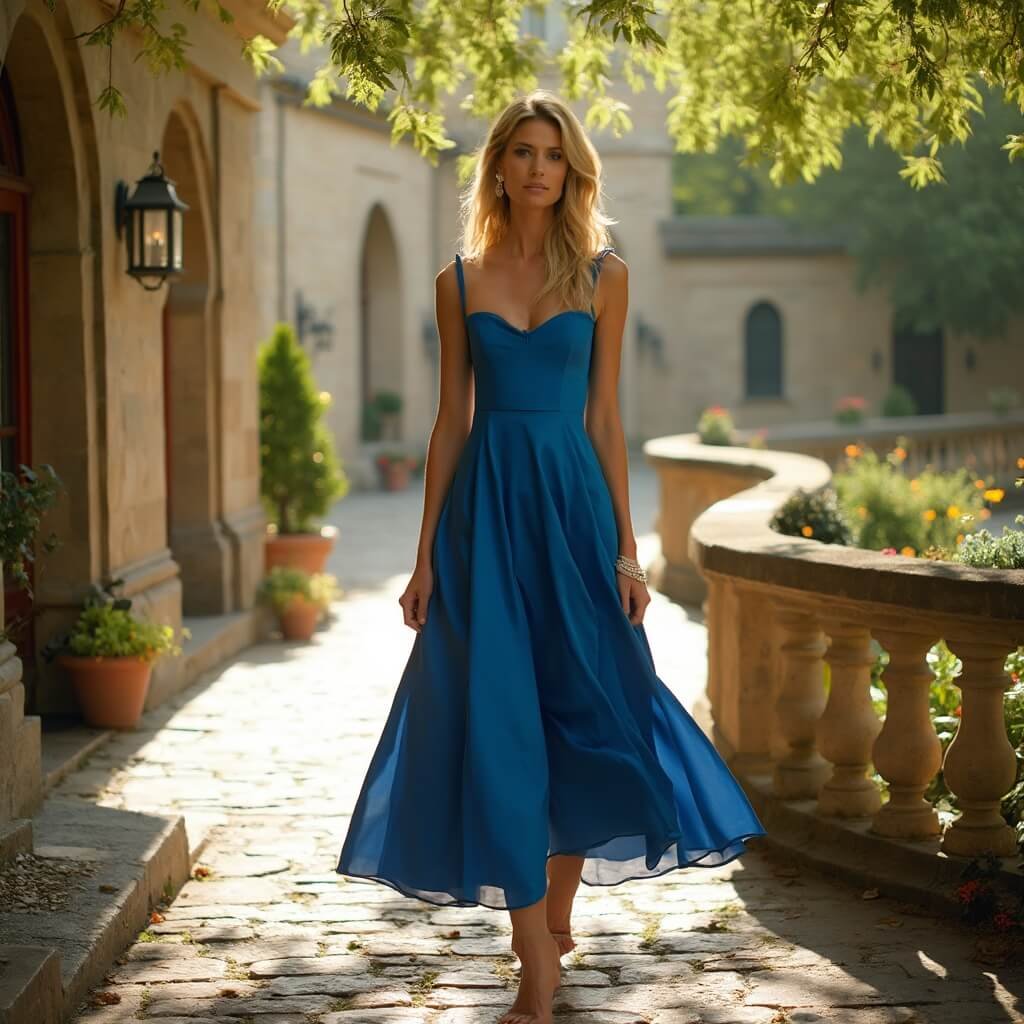
Semi-formal or cocktail dress codes give you the most room to play. Knee-length or midi dresses in chiffon, linen blends, crepe, or cotton — in florals, polka dots, or a confident solid colour — hit the mark. A pleated midi with a strong colour and a ruffled neckline is about as reliable a cocktail choice as exists right now.
Dressy casual and daytime garden weddings call for breezy midis, wrap dresses, and elevated sundresses. Soft pastels and light florals in cotton or linen do the job without trying too hard — this is not the moment for anything heavily structured.
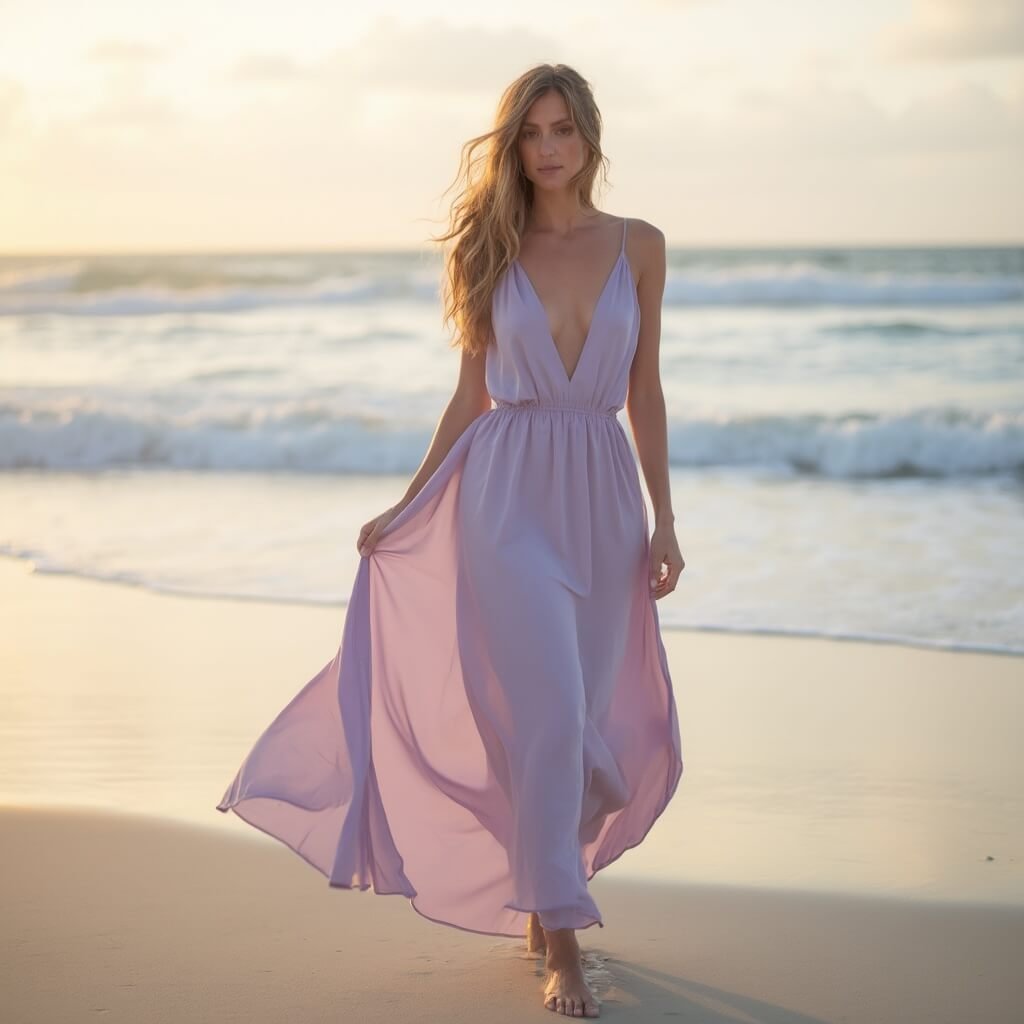
For beach and destination weddings, think breezy maxis, slip dresses, and halter necks that move easily and won’t cling in the heat. Keep hemlines off the sand — literally, practically — and lean into colours that suit a seaside setting: turquoise, coral, soft blue, tropical florals.
Religious or culturally conservative ceremonies need a bit more thought. Sleeveless and strapless are usually fine, but covered shoulders may be expected inside a church, synagogue, or temple. This is where a light shawl, bolero, or chiffon wrap earns its place in your bag — you can cover up for the service and remove it the moment you’re outside for photos and drinks.
Matching the Dress to the Venue
Outdoor countryside and garden venues suit floaty maxis or midis in pastel shades during the day, shifting to deeper jewel tones and slightly more formal shapes once the sun goes down. Beach and coastal venues want cotton or linen midis and maxis for daytime, moving into slip dresses or chiffon gowns in brighter, tropical colours for a sunset ceremony.
Urban rooftop weddings suit a silky slip dress or a structured-but-light cocktail dress — something that fits the modern, slightly harder edge of a city skyline setting. Hotel ballrooms, by contrast, reward classic formal or semi-formal silhouettes in satin, chiffon, or crepe; the setting itself is doing a lot of the atmosphere, so the dress can stay relatively traditional.
Indoor religious spaces and historic venues bring their own quiet challenge: air-conditioning. I’ve seen more than one guest freezing in a sleeveless dress inside a stone church in the height of summer, so a light layer — a pashmina, a kimono-style wrap, a fine-knit cardigan — is worth carrying even when the forecast says thirty degrees. Higher necklines and midi or maxi lengths also suit these spaces, and you can still keep things feeling summery through colour and fabric rather than skin on show.
Fit and Personal Style Matter More Than Trends
However convincing a trend looks online, don’t buy a silhouette you know you dislike on yourself. If halter necks have never worked for you, a wedding isn’t the place to test that theory for the first time — I’ve seen too many guests tugging at straps all evening, visibly uncomfortable in photos they’ll be tagged in for years. Stick with lengths and cuts you already trust, then let colour and fabric do the seasonal updating.
Proportion matters as much as cut. Smaller prints suit petite frames, and balancing volume — a fuller sleeve against a slimmer skirt, or vice versa — keeps a dress looking considered rather than shapeless.
Above everything, make sure you can actually move in the dress. Sit down in it before you buy it if you can. Walk up a few stairs. Lift your arms above your head, because you will be dancing, or at least attempting to. I made this mistake myself a few years ago at a friend’s wedding — bought a beautiful fitted midi with a walking slit that turned out to be about four inches too short for actual walking, and spent the reception taking small, careful steps like I was on a boat. Nobody else probably noticed, but I certainly did, and I’ve bought a size up or a looser cut ever since for anything with a hem near the knee.
For plus-size and curvier figures, a structured bodice with light boning offers support without needing anything heavy, paired with a flowing skirt that keeps things cool. Maternity dressing benefits from empire waists and wrap styles with a bit of give, since your shape may well change between buying the dress and wearing it. And classic cuts — wrap dresses, A-line midis — tend to work well across a wide age range, which matters if you’re shopping for something you’ll wear to more than one wedding this year.
If you take one thing away from all this, let it be that comfort and fabric choice will serve you better than chasing every micro-trend going into 2026. Try the dress on, sit in it, raise your arms, imagine three hours of standing and dancing in July heat — if it survives that test, you’ve found your summer wedding guest dress.
For more inspiration, check out these Best Summer Wedding Guest Dresses for Women and Chic Summer Wedding Guest Dress Ideas.
Browse more ideas for Engagement Party Guest Outfit Ideas, Graduation Party Outfit Ideas for Guests, and discover the latest in Summer Wedding Bridesmaid Dresses. Don’t forget to consider your Wedding Guest Hairstyles or explore some Easy Wedding Guest Hairstyles to complete your look.
👇Shop the Look here 👇
Want to keep this one?
We'll email you the link so you can find it again later.