Oval Engagement Rings: Everything You Need to Know Before You Buy
What Exactly Is an Oval Engagement Ring?
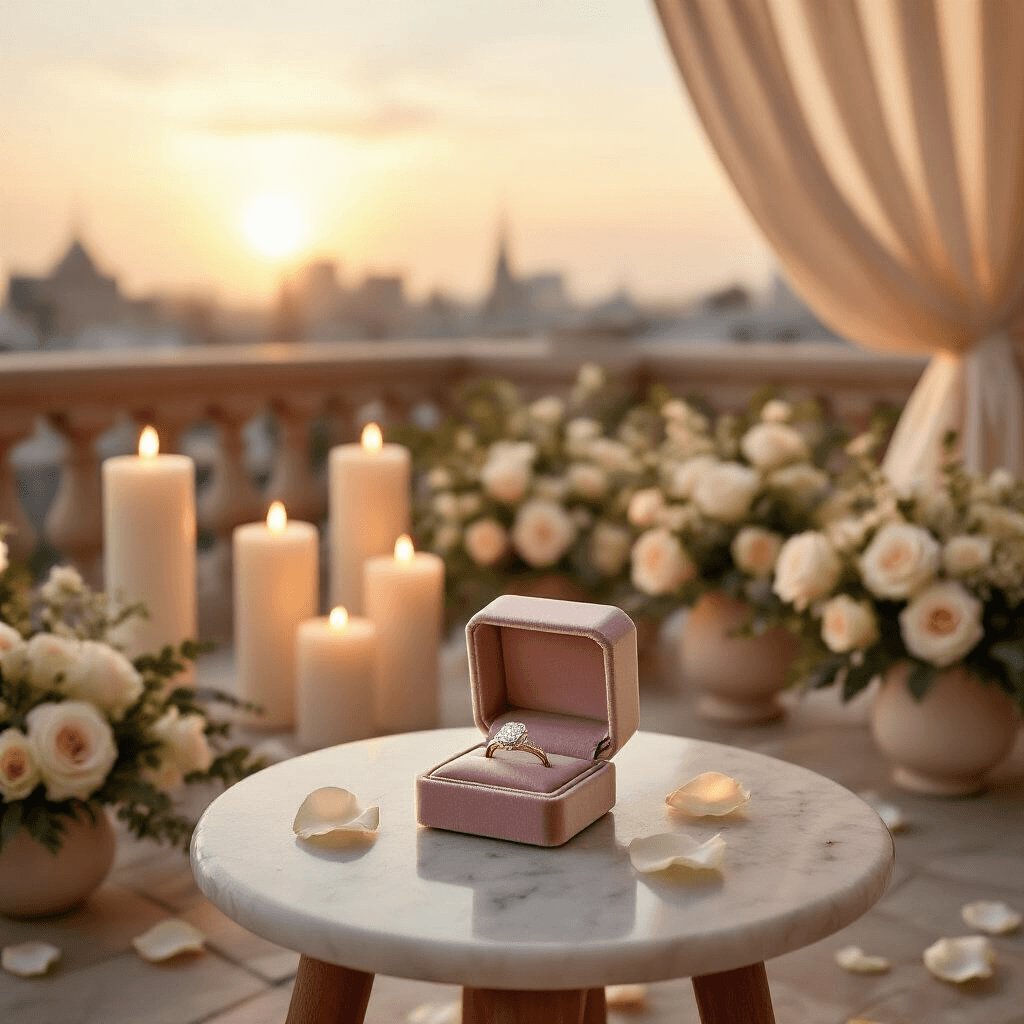
An oval engagement ring features a center stone — usually a diamond — that’s been cut into a rounded, elongated shape. Think of it as a round diamond that’s been gently stretched. The faceting style is actually very similar to a classic round brilliant cut, which means you get that same deep, flashy sparkle — just in a silhouette that feels a little more distinctive and modern.
The modern oval cut we know today was actually perfected in the late 1950s by a master diamond cutter named Lazare Kaplan. He developed a specific faceting pattern that gave the oval its signature brilliance, and the shape has been turning heads ever since.
Here’s what makes it different from other shapes:
- It’s not a new trend — it’s a cut with serious history and staying power
- The facets are arranged to maximize light return, just like a round diamond
- The elongated shape creates a visual effect that most other cuts simply can’t match
Why Are So Many People Choosing Oval Engagement Rings Right Now?
Honestly? Because they tick almost every box.
I’ve seen a lot of ring trends come and go, and when a shape starts showing up on celebrity hands and in jewelry designer collections and in every other “top engagement ring trends” list simultaneously — that usually means something real is happening.
They Look Bigger Than They Actually Are
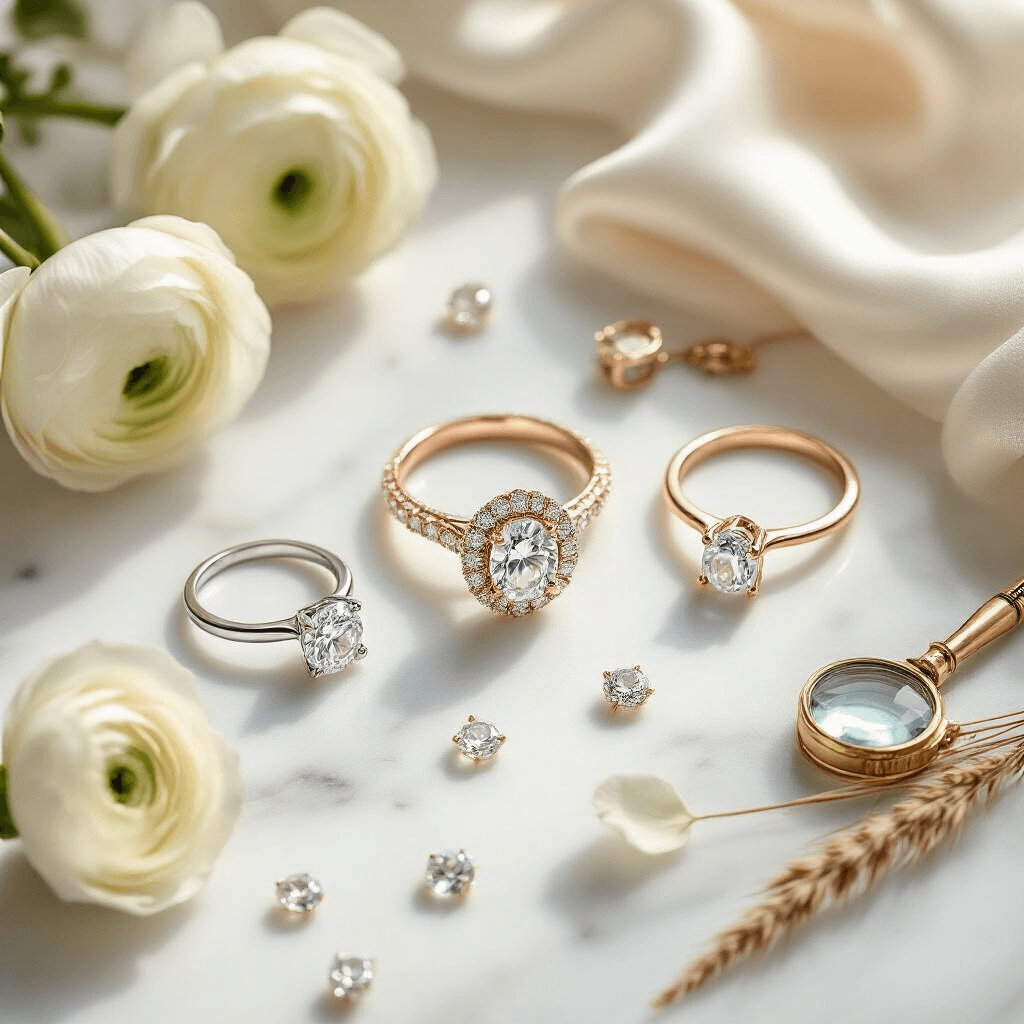
This is probably the number one reason people fall for oval cuts. Because the stone is elongated, it covers more surface area on your finger than a round diamond of the same carat weight. That means you get a more impressive-looking ring without necessarily paying for a bigger diamond. A well-cut 1 carat oval can easily look like a 1.3 or even 1.4 carat round — and when you’re shopping with a real-world budget, that difference matters.
They Make Your Fingers Look Longer and Slimmer
The lengthening effect of an oval cut is something you have to see in person to fully appreciate. When the stone sits vertically on the finger, it draws the eye up and down rather than across, which creates a natural slimming and elongating illusion. This is especially flattering if you have shorter fingers or smaller hands — though honestly, it looks great on every hand type.
They Sparkle Like Crazy
Because ovals use a brilliant faceting style, they have serious fire and brilliance. We’re not talking about the more subtle, geometric flash of an emerald cut or the directional sparkle of a princess cut. Ovals have that all-over, in-every-direction sparkle that catches light constantly — even in low-light situations like a restaurant or candlelit dinner.
They Work with Almost Every Setting Style
This is something a lot of buyers don’t think about upfront, but it matters. An oval center stone is incredibly versatile, which means if you want to upgrade your setting someday — or if your taste evolves — you’ve got options. More on settings in a bit.
Save this article
Enter your email and we'll send it straight to your inbox.
The Key Things to Look For When Choosing an Oval Diamond
This is where I see people make the most mistakes. Buying an oval diamond isn’t as simple as picking a carat weight and moving on. There are a few specific things you need to evaluate — and if you miss them, you can end up with a stone that looks dull, oddly proportioned, or just off.
1. The Length-to-Width Ratio
This is the single most important measurement for an oval diamond. It tells you how elongated the stone is — and it comes down to personal preference. Here’s a simple breakdown:
| Ratio | Look |
|---|---|
| 1.2–1.3 | Softer, more rounded, almost egg-shaped |
| 1.35–1.45 | Classic oval shape — the sweet spot for most buyers |
| 1.5+ | Very elongated, dramatic, slender silhouette |
Most buyers land in the 1.35 to 1.5 range because it gives you that unmistakably oval look without going too extreme in either direction. If you go too low, the stone starts to look like a round diamond that didn’t quite make it. If you go too high, it can look unexpectedly narrow on the finger.
2. The Bow-Tie Effect — and Why You Need to See It Before You Buy
Here’s the thing nobody warns you about when you first start looking at oval diamonds. Almost every oval diamond has a bow-tie. A bow-tie is a darker shadow that runs across the middle of the stone — it looks like, well, a bow tie — and it’s caused by areas of the diamond where light isn’t reflecting back evenly.
Some bow-tie is completely normal and even part of the oval’s character. The problem is when the bow-tie is:
- Very dark and covers a large portion of the stone
- Distracting — visible from a normal viewing distance
- Killing the brilliance of an otherwise beautiful diamond
The only way to evaluate a bow-tie properly is to look at the stone in person, or watch a video of it moving in light. A GIA grading report won’t tell you how strong the bow-tie is — this is purely a visual judgment call. My honest advice: don’t buy an oval diamond based solely on photos. Always request a video or, even better, see it in person before committing.
3. Carat Weight vs. Finger Coverage
Because ovals spread out more than round diamonds, the visual impact at each carat weight is different. Here’s a rough guide to help you think about sizing:
- 0.75–1 ct — Elegant and refined, visible but not flashy, great for minimalist styles
- 1–1.5 ct — The most popular range, a noticeable stone with strong presence
- 2 ct+ — Statement-making, dramatic coverage, particularly stunning in a solitaire setting
Your hand size matters here too. A 2 carat oval on a size 4 finger looks very different from the same stone on a size 7 finger. If you’re buying online without trying rings on, look at size comparison tools or ask the jeweler for a wax mock-up.
Want to keep this one? We'll email you the link so you can find it again later.