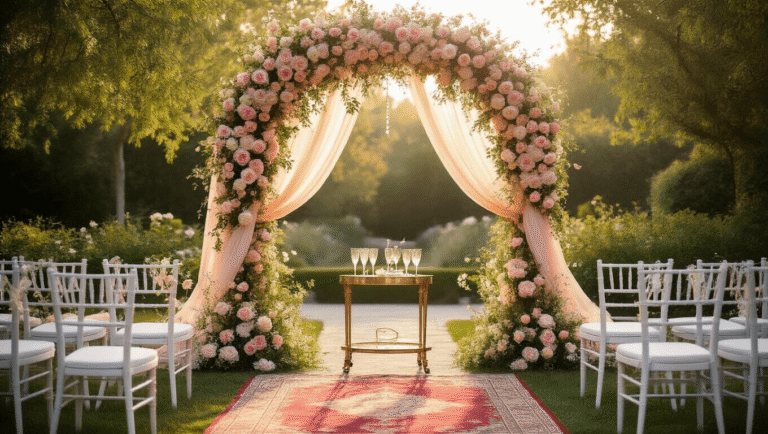
Creating Your First DIY Flower Garland: A Complete Beginner’s Guide
Creating Your First DIY Flower Garland: A Complete Beginner’s Guide
DIY flower garlands have completely transformed how I approach home decorating, and I’m about to show you exactly how to create stunning arrangements that’ll make your guests think you hired a professional florist.
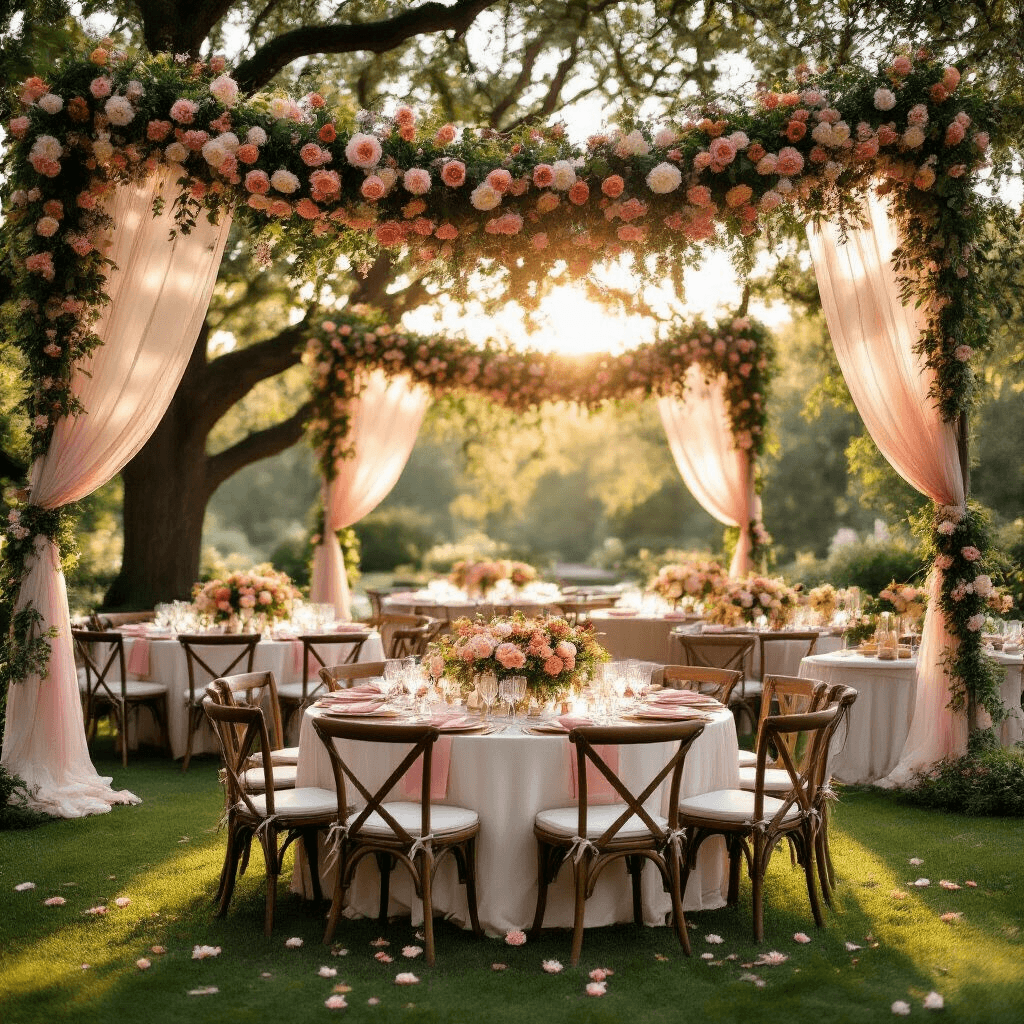
Why Your First Garland Attempt Might Feel Overwhelming (And How I Fixed That)
I’ll be honest with you. My first garland looked like a sad string of dying flowers held together by sheer hope and too much wire. The stems kept slipping, the flowers faced random directions, and the whole thing fell apart before I even hung it up.
Sound familiar?
Here’s what I learned the hard way: most people fail because they try to attach individual stems instead of creating structured bundles. This mistake leads to:
- Flowers that won’t stay in place
- Gaps that expose ugly mechanics
- Garlands that look thin and pathetic
- Complete structural failure within hours
But once I discovered the bundle method, everything changed.
The Essential Materials That Actually Matter
Forget those flimsy craft store suggestions. After ruining three garlands, I figured out exactly what you need for success.
Your Foundation (The Make-or-Break Moment)
Start with thick jute rope that’s approximately 1 inch in diameter. This isn’t negotiable. Thin string or fishing line will buckle under the weight of full flower bundles.
I learned this lesson when my sister’s wedding garland snapped in half during the ceremony. Talk about embarrassing.
Wire That Won’t Give Up on You
You need two types:
- Heavy-gauge floral wire for the main attachment points
- Paddle wire cut into 4-inch lengths for bundle wrapping
Essential Tools That Save Your Sanity
- Wire cutters (not scissors – they’ll dull immediately)
- Hot glue gun for emergency gap-filling
- Sharp floral scissors
- Your favorite playlist (trust me on this one)
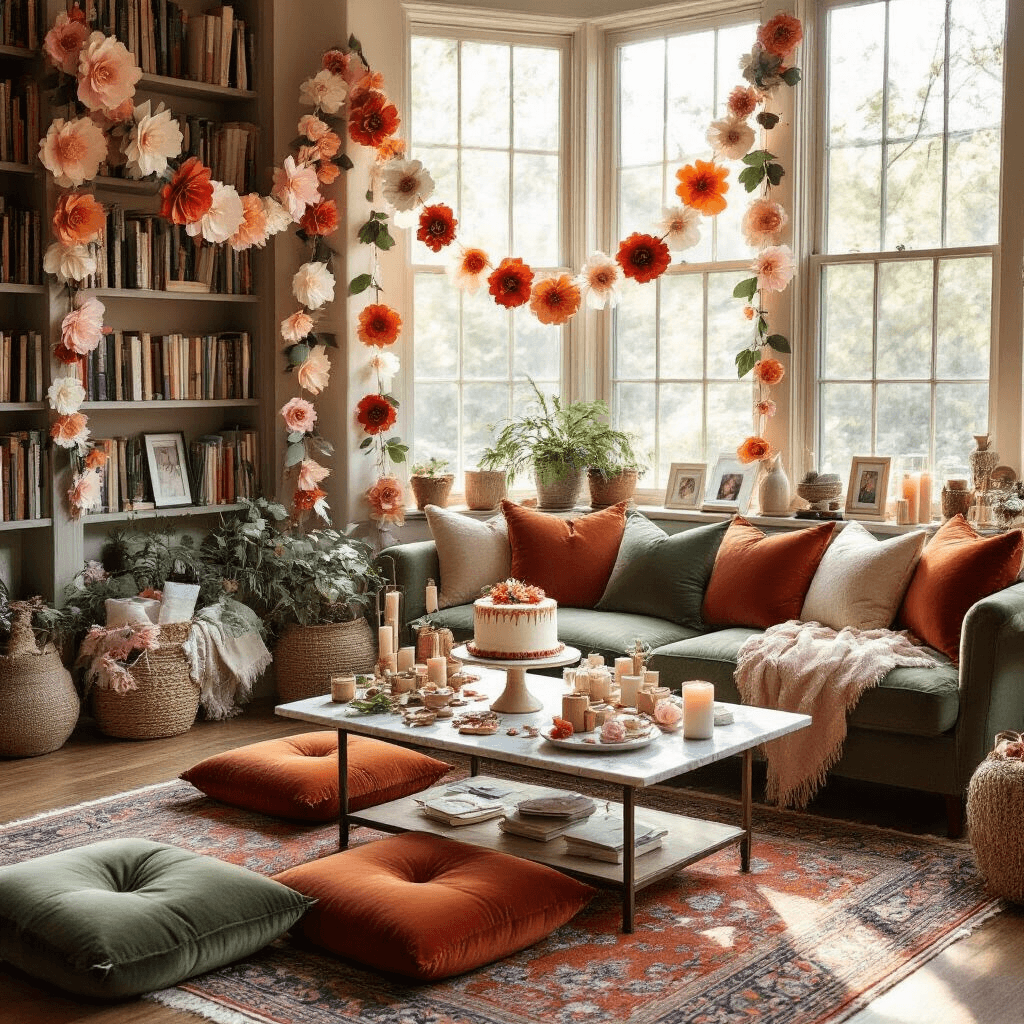
Flower Selection Strategy
Here’s where I see people waste the most money.
For fresh flower garlands:
- 4 dozen carnations OR roses (your focal flowers)
- 5 dozen marigolds (for texture and bulk)
- Multiple types of greenery for natural variation
For long-lasting garlands:
- Synthetic greenery in different textures
- High-quality silk flowers
- Mixed foliage for depth
I personally prefer the synthetic route for most home projects. They last indefinitely, work out cheaper long-term, and won’t trigger anyone’s allergies.
The Bundle Method That Changed Everything
This is the secret sauce that separates amateur attempts from professional-looking garlands.
Step 1: Create Your Mini-Bouquets
Cut all greenery into 6-8 inch pieces. No longer, no shorter.
Group 3-4 stems of greenery with 1-2 focal flowers positioned slightly forward. The flowers should peek out naturally, not stick up like they’re trying to escape.
Save this article
Enter your email and we'll send it straight to your inbox.
Wrap paddle wire around the stems about 2-3 inches from the bottom. Wrap it tightly – loose wrapping leads to slipping bundles and swear words.
Step 2: Calculate Your Bundle Needs
For a 6-foot garland, prepare 20-30 bundles before you start assembly. This seems like a lot, but it’s what creates that lush, professional fullness.
I made the mistake of trying to create bundles as I went along. The rhythm gets completely thrown off, and you’ll end up with inconsistent sizing.
Step 3: The Assembly Dance
Start at one end of your rope base. Lay the first bundle flat against it with flowers pointing in your chosen direction.
Wrap paddle wire around both the bundle stems and the rope base 3-4 times. Pull tight. No mercy.
Place your second bundle overlapping the first by about half the bundle length. This overlap hides all the mechanics and creates seamless flow.
Continue this overlapping pattern down the entire length, keeping all flowers pointing in the same direction.
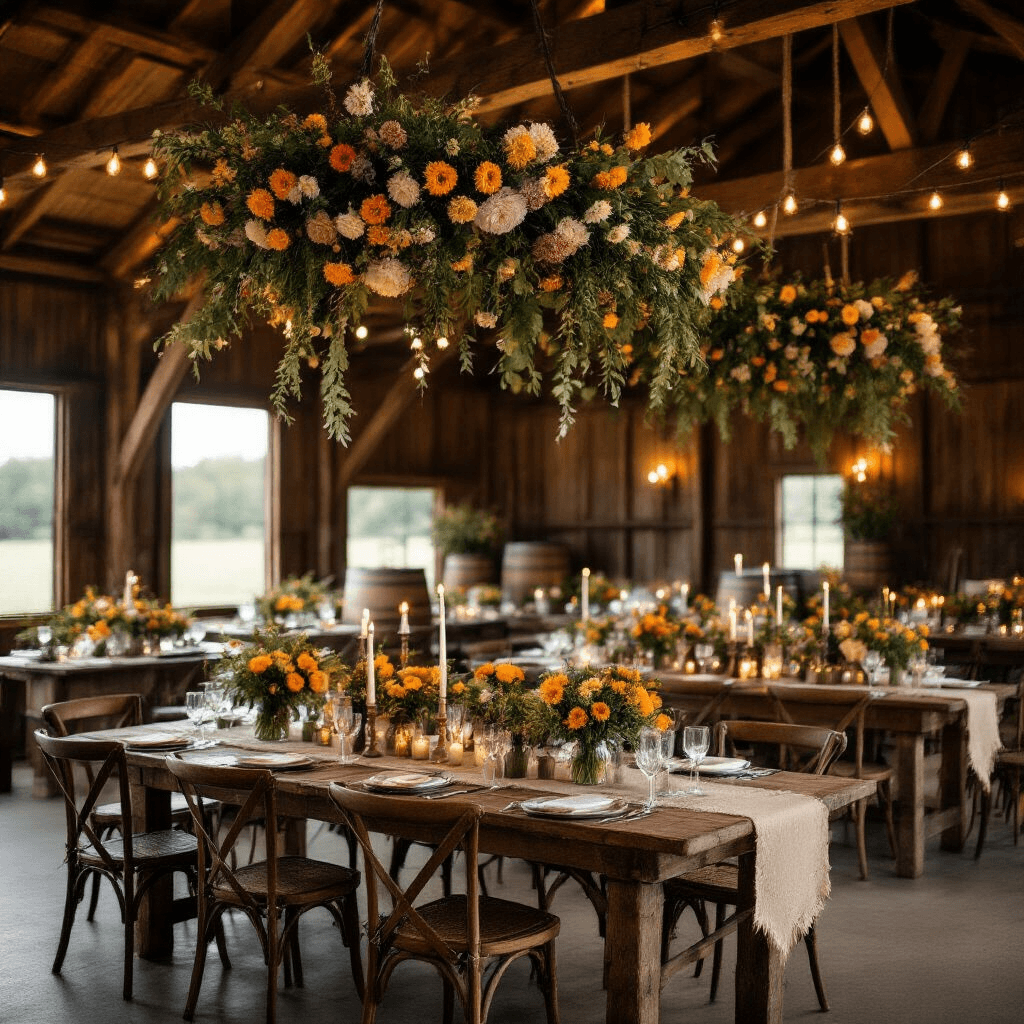
Pro Styling Secrets I Wish Someone Had Told Me
Build Density Like Your Life Depends on It
Thick, full garlands age gracefully. Thin garlands expose their mechanics the moment they start drying.
I use this trick: mix beautiful focal flowers with less attractive filler pieces inside each bundle. The gorgeous stuff goes on top, the bulk builders hide underneath. Nobody sees them, but they create the foundation for that lush look.
Work Both Sides (The Detail Most People Miss)
Your garland needs to look amazing from every angle. I’ve seen too many garlands that look stunning from the front and terrible from the back.
Every few bundles, flip your garland and check the reverse side. Add small tufts of greenery or individual flowers to balance any thin spots.
Embrace Beautiful Imperfection
Stop trying to make every flower perfectly spaced. The charm comes from organic variation and interesting composition.
Nature doesn’t create symmetrical arrangements, and neither should you.
Master the Gap-Fill Technique
Even with perfect bundle overlap, you’ll sometimes spot gaps. Use floral pins or hot glue to tuck small flower bundles into these spaces.
The key: work with your existing structure rather than disrupting it.
Want to keep this one?
We'll email you the link so you can find it again later.