Indian Wedding Garlands: Creating Your Perfect Varmala for an Unforgettable Ceremony
Indian Wedding Garlands: Creating Your Perfect Varmala for an Unforgettable Ceremony
I remember walking into my first Indian wedding ceremony and being absolutely mesmerized by the gorgeous flower garlands draped around the couple’s necks. The vibrant marigolds and fragrant jasmine created such a magical moment that I knew I had to learn everything about these stunning Indian wedding garlands.
Are you planning an Indian wedding and feeling overwhelmed by all the traditions? Wondering how to choose the perfect flowers or whether to make your own garlands? Trust me, I’ve been there, and I’m here to walk you through everything you need to know about varmalas.
What Exactly Are Indian Wedding Garlands?
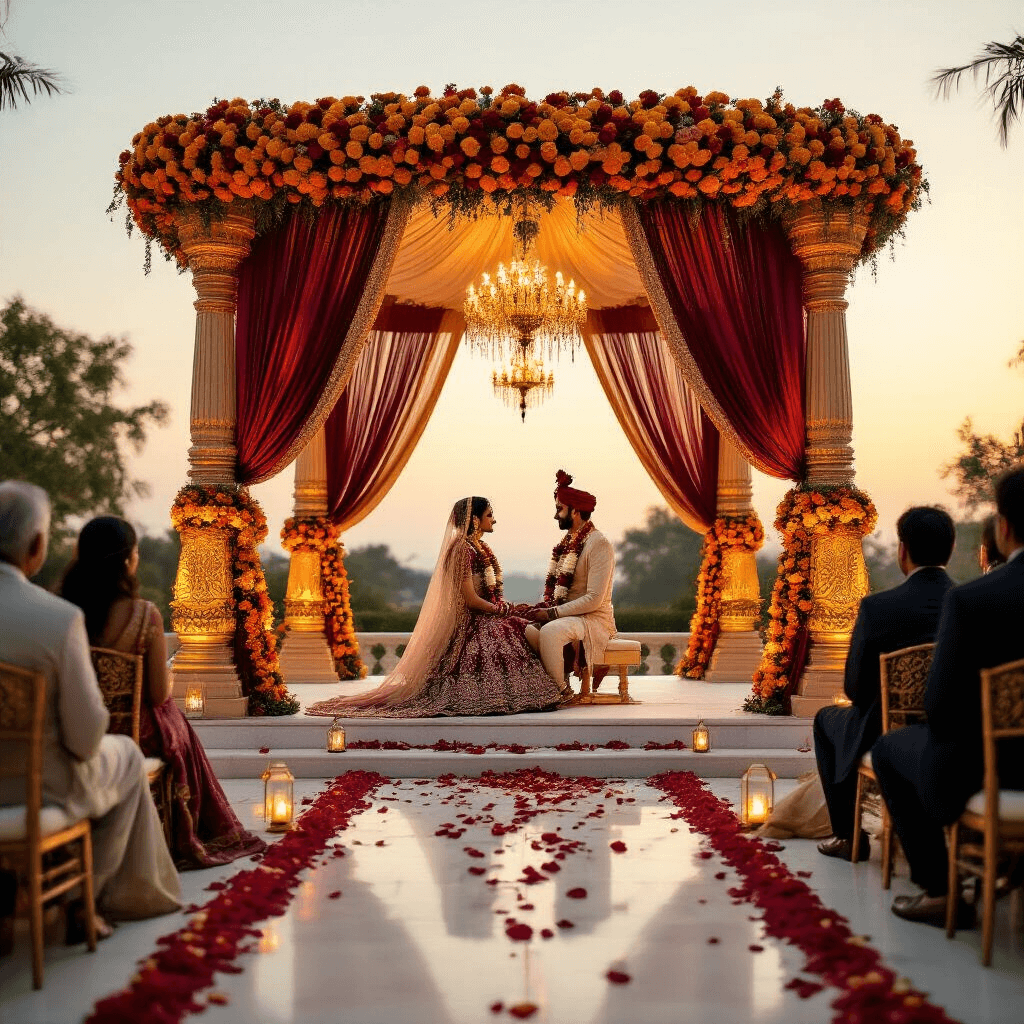
Indian wedding garlands, traditionally called varmalas, are those breathtaking wreath-like necklaces that steal the show during Hindu wedding ceremonies.
Made with either fresh or artificial flowers, these aren’t just pretty decorations. They’re the heart of one of the most meaningful moments in an Indian wedding.
I’ve watched countless couples exchange these garlands, and each time, the room fills with this incredible energy of love and anticipation.
The Magic Behind the Varmala Ceremony
Picture this: the couple stands face-to-face, surrounded by family and friends, ready to place these beautiful garlands on each other’s necks.
This isn’t just a simple exchange. The varmala ceremony (also called jai mala) has roots that go way back to Hindu mythology.
Here’s the fascinating backstory:
- It comes from the ancient swayamvar tradition
- Princesses would choose their husbands by garlanding them
- The chosen suitor received the garland as a symbol of acceptance
But here’s where it gets fun – and trust me, this part always makes me laugh. Friends and family often lift the couple up during the exchange, making it playfully challenging to place the garlands.
I’ve seen groomsmen hoisting the groom so high that the bride can barely reach! It creates these wonderfully candid moments that photographers absolutely love.
Why These Garlands Mean Everything
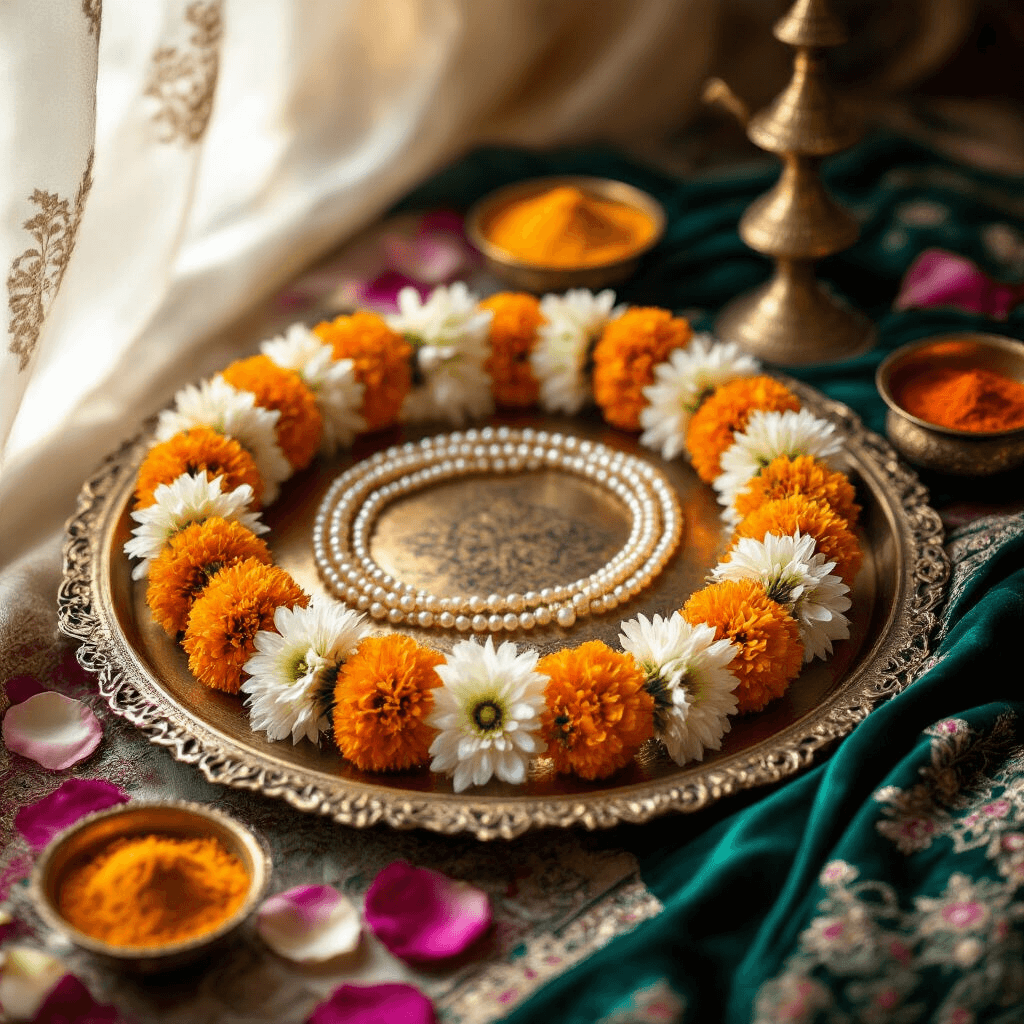
The symbolism behind varmalas runs much deeper than their stunning appearance.
The meaning packed into these flower circles:
- Union of two souls – representing the joining of two lives
- Mutual acceptance – both partners choosing each other
- Eternal commitment – the circular shape symbolizes infinity
- Auspicious beginnings – flowers are considered blessed in Hindu culture
- Equal partnership – the simultaneous exchange shows mutual respect
Every time I witness this ceremony, I’m struck by how such a simple act carries so much profound meaning.
Choosing Your Perfect Flowers: Regional Traditions That Matter
Different regions across India have their own gorgeous flower preferences, and honestly, each style has its own unique charm.
Save this article
Enter your email and we'll send it straight to your inbox.
North Indian Wedding Style
North Indian weddings go bold and colorful with:
- Vibrant roses in deep reds and soft pinks
- Cheerful marigolds in orange and yellow
- Fragrant jasmine for that heavenly scent
- Decorative touches like pearl strings and ribbons
South Indian Elegance
South Indian ceremonies focus on spiritual significance with:
- Pure white jasmine (my personal favorite for fragrance)
- Sacred lotus flowers
- Bright firecracker flowers
- Holy tulsi (basil) leaves for blessing
East Indian (Bengali) Romance
Bengali weddings create romantic combinations using:
- Classic red roses for passion
- Pure white roses for new beginnings
- Golden marigolds for prosperity
- Sweet-scented tuberoses
Decoding Flower Meanings: Choose Wisely
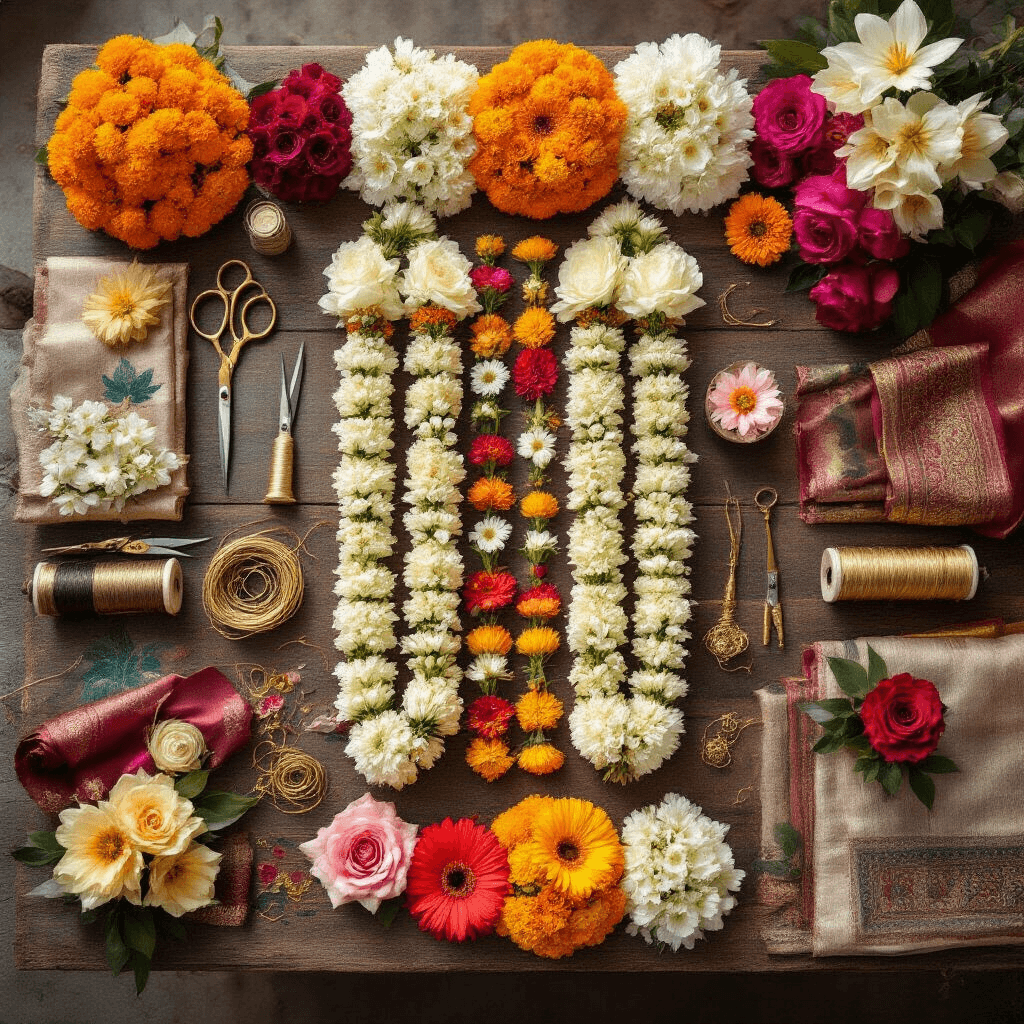
Understanding what each flower represents helps you create garlands that tell your unique love story.
Marigold magic:
- Orange varieties = happiness and joy
- Yellow blooms = prosperity and new beginnings
- Overall symbolism = purity and strength
Rose romance:
- Red roses = deep love and passion
- White roses = pure intentions and peace
- Pink roses = gentle love and gratitude
Jasmine and tuberose:
- Incredible fragrance that lasts
- Purity and spiritual connection
- Traditional choices across all regions
DIY Garland Making: Your Step-by-Step Guide
Making your own varmalas can be incredibly rewarding (and budget-friendly too). I’ve helped several couples create their own, and the personal touch makes the ceremony even more special.
Essential Supplies You’ll Need
Flower preparation:
- Fresh flowers from your local florist
- Sharp floral scissors for clean cuts
- Floral preservative spray to keep flowers fresh
Assembly tools:
- Heavy-duty floral wire or strong thread
- Large needle for threading
- Floral tape for securing
- Measuring tape for proper sizing
Decorative elements:
- Ribbon in wedding colors
- Beads or pearls for extra sparkle
- Fresh mango leaves (if available)
The Making Process (Easier Than You Think!)
Step 1: Prep your flowers
- Trim all stems to about 1 inch
- Remove thorns and excess leaves
- Sort flowers by type and color
Step 2: Start threading
- Use a needle with strong thread or floral wire
- Pierce through the center of each flower head
- Alternate flower types for visual interest
Want to keep this one?
We'll email you the link so you can find it again later.