The Art of Setting a Stunning Dinner Table: Your Complete Guide to Impressive Table Settings
Why Your Table Setting Actually Matters More Than You Think
Here’s the thing about table settings – they’re not just about following stuffy rules. A well-set table tells your guests they matter. It shows you’ve put thought into their experience. Plus, it makes the whole meal feel more special, even if you’re just serving pasta on a Tuesday night.
I learned this lesson the hard way when I invited my boss over for dinner and basically threw some mismatched plates on the table. The evening was fine, but I could tell something felt off. Now I know better.
Basic Table Setting: Start Here if You’re New to This
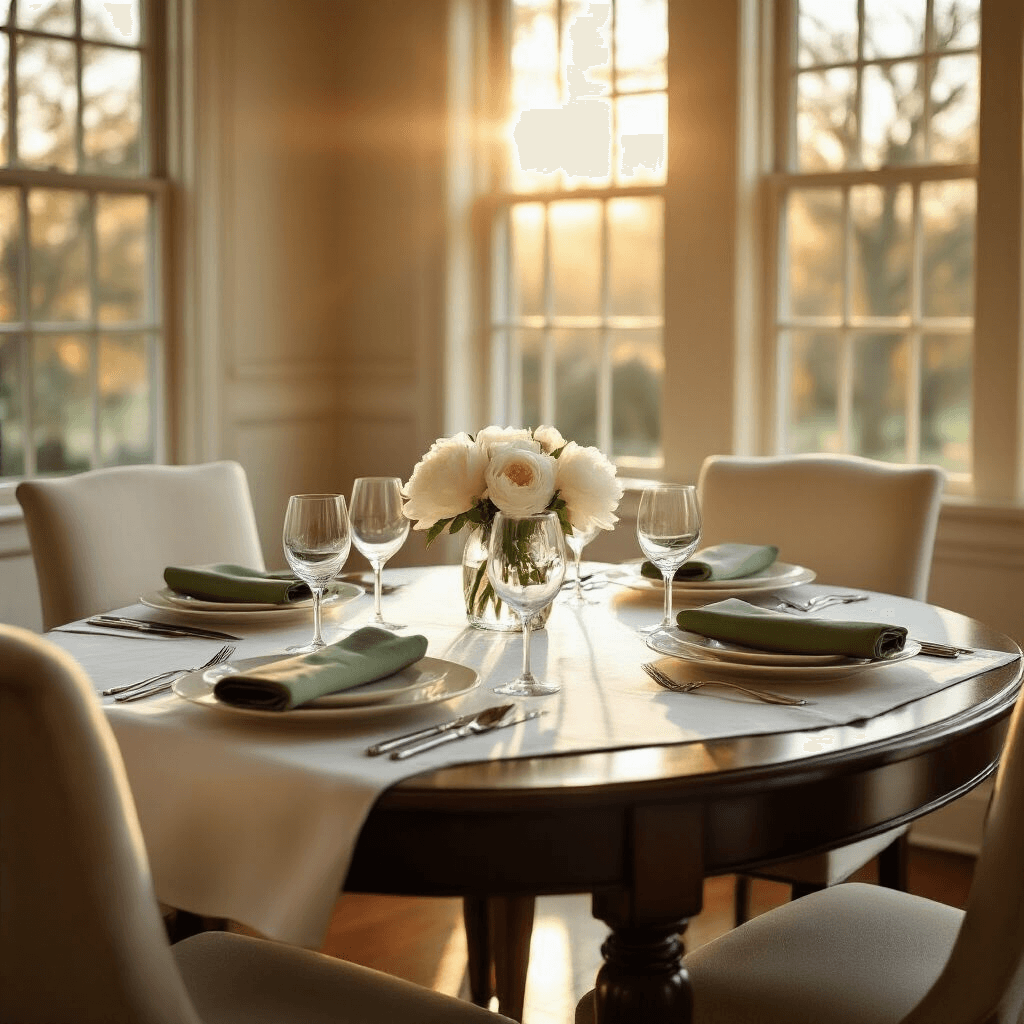
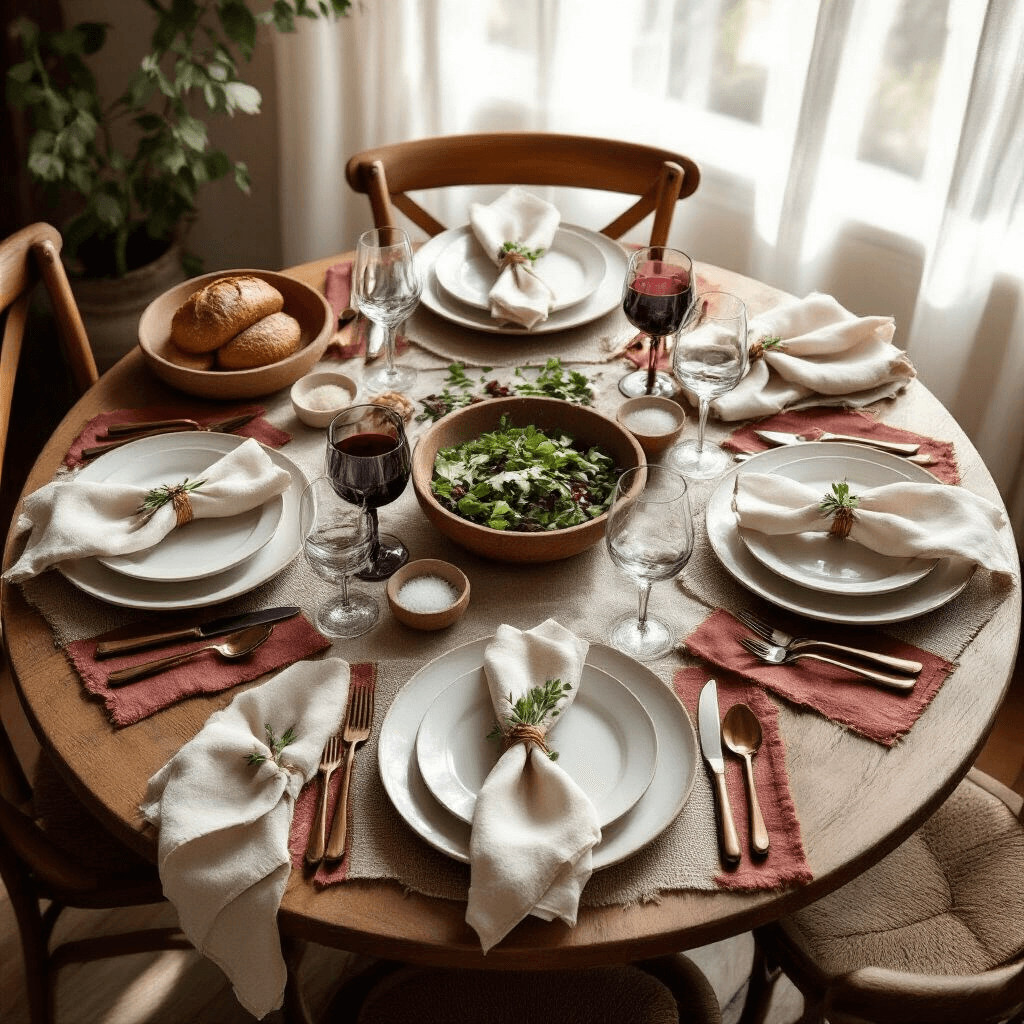
Let’s begin with the fundamentals – what I call the “Tuesday night dinner with friends” setup.
The Essential Elements:
- One dinner plate in the center of each place setting
- Fork goes to the left of the plate
- Knife goes to the right, blade facing the plate
- Cloth napkin on the left or under the fork
- Water glass positioned above the knife
Pro tip: Keep everything about an inch from the edge of the table. This prevents accidents and looks cleaner.
I remember my grandmother always said “give your guests room to breathe” – and she was talking about table settings, not just conversation.
Informal Table Setting: Step Up Your Game
When you want to impress but not intimidate, the informal setting hits that sweet spot. This works perfectly for Sunday dinners, small dinner parties, or any time you’re serving more than one course.
What You’ll Need:
- Salad fork (smaller) on the far left
- Dinner fork next to it
- Dinner plate in the center
- Salad knife next to the plate on the right
- Dinner knife on the far right, blade facing in
- Water glass above the knives
- Wine glass to the right of the water glass
The bread plate situation: Place a small bread plate above the forks with a butter knife laid horizontally across it.
Remember: work from outside in. Your guests should use the outermost utensils first, then move inward with each course.
Formal Table Setting: When You Really Want to Wow
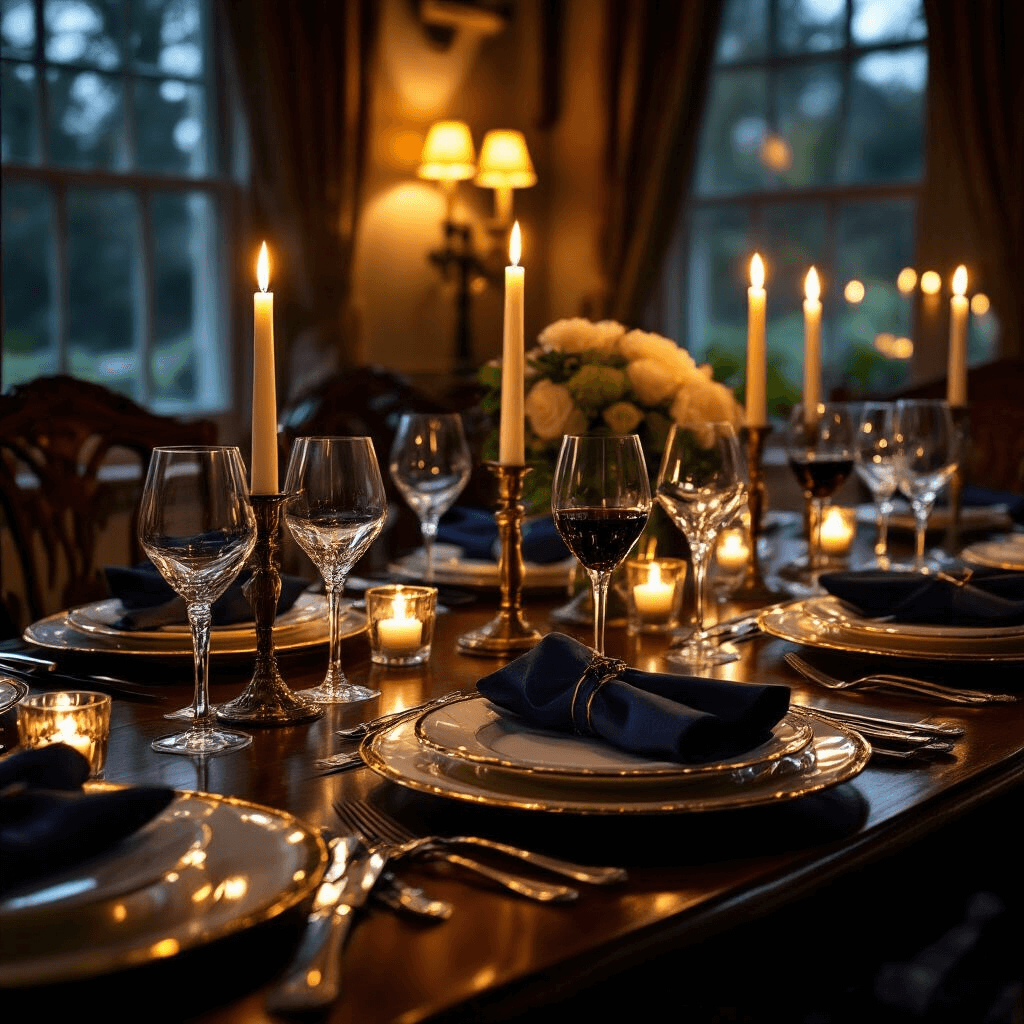
Okay, this is where things get fancy. Formal settings are for special occasions – anniversaries, holiday meals, or when you want to practice your skills before hosting something important.
The Full Setup:
- Charger plate (large decorative plate) as the base
- Salad fork, dinner fork, and dessert fork on the left
- Multiple knives on the right (salad, dinner, butter)
- Soup spoon on the far right
- Multiple glasses: water, red wine, white wine, and champagne
- Formal dinnerware with proper spacing
Dessert utensils: Place these horizontally above the plate – fork handle pointing left, spoon handle pointing right.
The first time I attempted a formal setting, it looked like a restaurant supply store exploded on my table. Less is sometimes more, even in formal settings.
Save this article
Enter your email and we'll send it straight to your inbox.
Essential Table Setting Rules That Actually Make Sense
The “BMW” Rule:
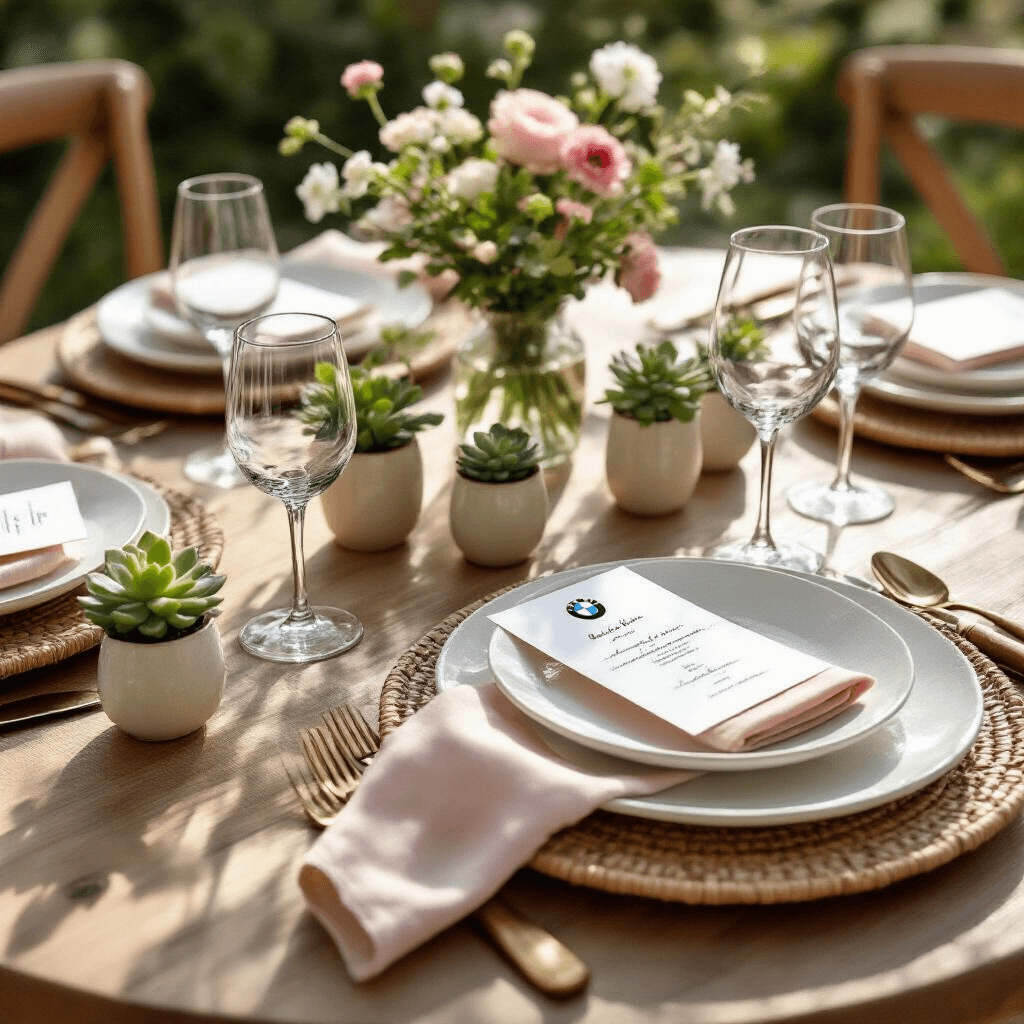
Bread plate, Meal (main plate), Water glass. This goes from left to right above your place setting. It’s a lifesaver when you can’t remember which bread plate is yours.
Knife Etiquette:
Always place knife blades facing toward the plate. This isn’t just tradition – it’s actually safer and looks more polished.
Spacing Matters:
- Leave about 24 inches between place settings
- Keep everything 1-2 inches from the table edge
- Center everything on an imaginary line
Common Table Setting Mistakes I See Everywhere
Overcrowding the table: You don’t need every piece of china you own on display. Choose what you’ll actually use.
Wrong utensil placement: Forks always go left, knives and spoons always go right. No exceptions.
Mismatched heights: Table linens should hang evenly, glasses should be roughly the same height.
Forgetting the salt and pepper: Always provide these, and always provide them in pairs. One set per 6-8 guests works well.
I once went to a dinner party where the host put the salad fork on the right side. It threw off the entire meal because nobody knew which utensil to use when. Small details matter.
Making Your Table Setting Work for Your Space
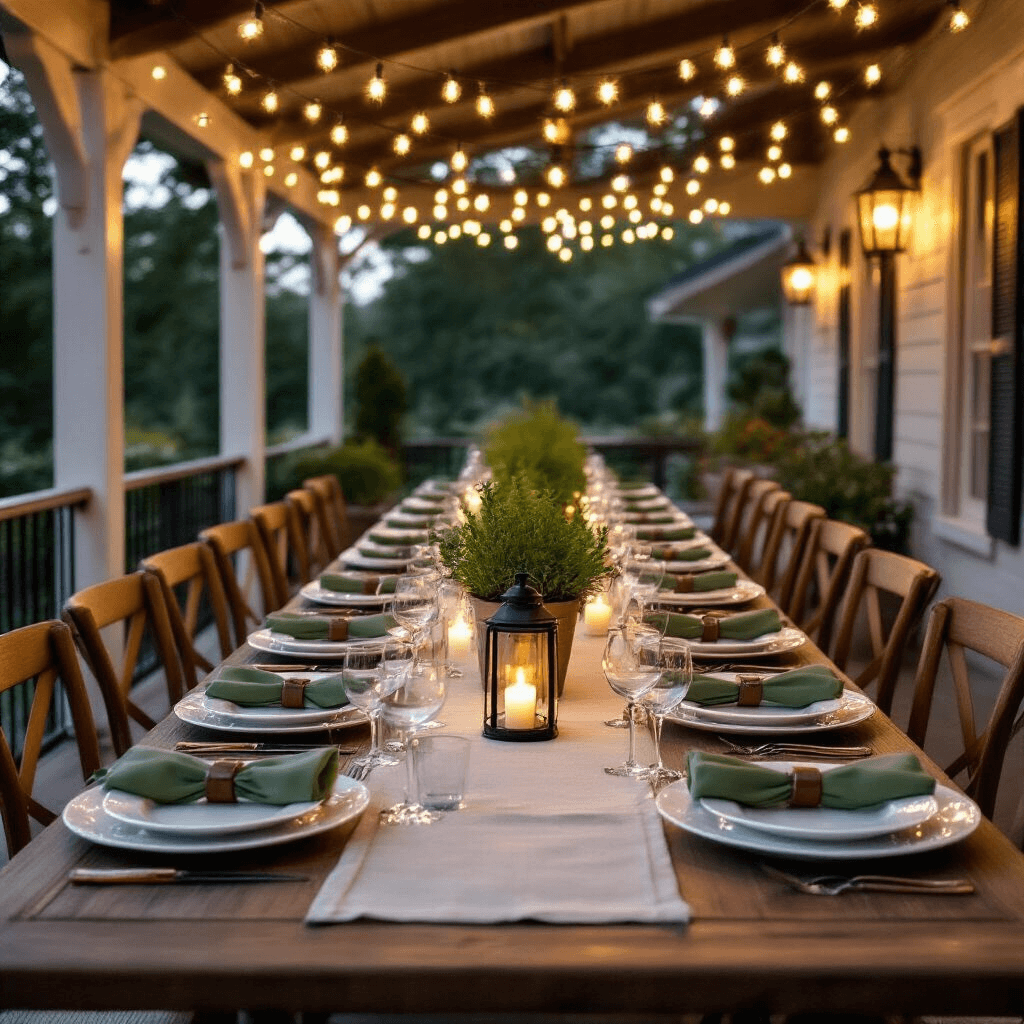
Small dining areas: Stick to basic or informal settings. Formal settings need space to breathe.
Family meals: Focus on functionality over formality. Use what makes sense for your family’s eating habits.
Outdoor dining: Weather-resistant outdoor dinnerware and weighted napkins are your
Want to keep this one?
We'll email you the link so you can find it again later.